Why Fruit Trees and Crops Need Hail Protection Netting
Nov 13, 2026
Why Fruit Trees and Crops Need Hail Protection Netting
Hailstorms can develop quickly and cause serious damage in just a few minutes. For fruit growers and crop producers, a single storm may bruise or split fruit, tear leaves, break young shoots, damage flowers, and injure branches. Even when plants survive, visible marks and bruises can reduce the market value of the harvest.
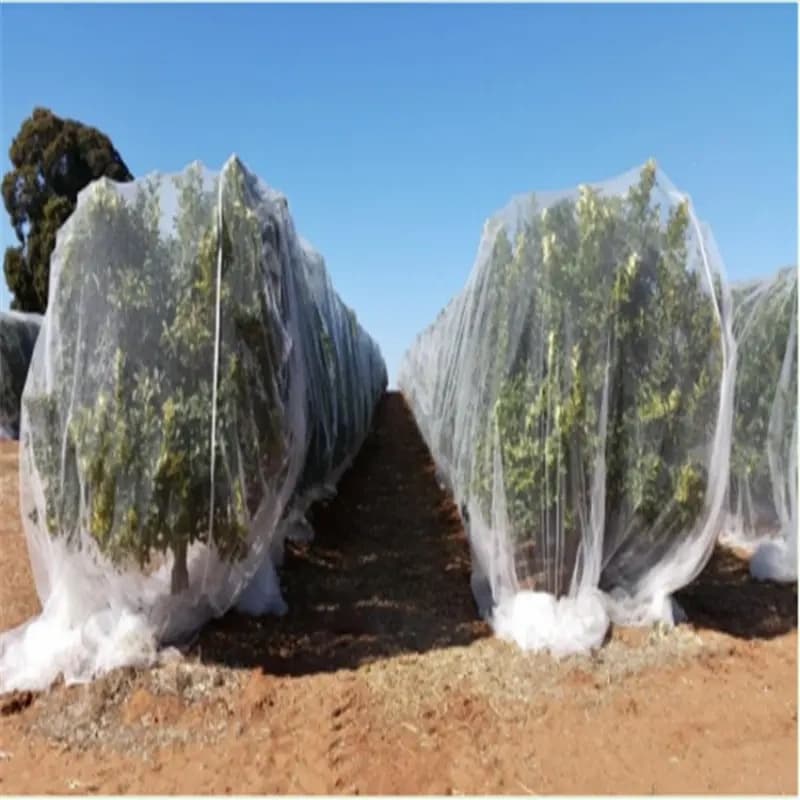
Hail protection netting offers a practical way to reduce these risks. Installed above orchards, vineyards, and crop fields, it forms a protective barrier that intercepts or slows hailstones before they strike plants directly. It cannot control the weather, and no net can guarantee that all storm damage will be prevented. But a properly selected and installed system can help reduce crop exposure and protect valuable plants during severe weather.
How Hail Netting Protects Crops
Hail netting works by absorbing and dispersing some of the impact from falling hailstones. The net creates a physical barrier above the crop, helping prevent direct impacts on fruit, leaves, flowers, stems, and branches. The exact level of protection depends on factors such as the net’s material, mesh construction, strength, installation height, supporting structure, and local storm conditions.
For fruit trees, this can help reduce bruising, skin damage, and fruit drop. For crops such as grapes, berries, vegetables, and other field-grown produce, netting can help protect delicate plant tissue and developing fruit. A hail net system can also provide some protection against windblown debris, while certain designs may help reduce sun exposure or bird damage.
Common Hail Net Materials
Agricultural hail nets are commonly made from high-density polyethylene (HDPE). HDPE is widely used because it is lightweight, strong, flexible, and suitable for outdoor agricultural use.
Many hail nets are produced from HDPE monofilament yarns in knitted or woven constructions. The design affects the net’s strength, flexibility, airflow, light transmission, and resistance to tearing. Edges may be reinforced to help with installation and reduce fraying, especially on larger orchard and vineyard systems.
For long-term outdoor use, hail netting is often manufactured with UV stabilizers. These additives help the plastic resist degradation caused by prolonged exposure to sunlight. The amount and type of UV stabilization, the quality of the raw material, and the manufacturing process all influence how long a net can remain in service.
When comparing products, buyers should check the product specification rather than relying on material names alone. Useful details may include:
Material type and yarn construction
Net weight, commonly expressed in grams per square metre (g/m²)
Mesh opening and strand configuration
UV stabilization or UV warranty
Tensile strength and tear resistance
Reinforced edges and available fastening points
Recommended installation method and support structure
Common Mesh Sizes and Product Specifications
There is no single mesh size that suits every crop or hail-risk area. Hail net products are designed for different growing systems, crop types, and local conditions. Some agricultural products use relatively open mesh to allow airflow and light transmission; other designs use a tighter construction for more complete coverage.
As a general reference, agricultural hail netting is commonly offered in weights around 40–100 g/m², though heavier or lighter options may be available. Mesh openings also vary by design and manufacturer. These figures are broad examples, not universal standards: the appropriate specification should be selected according to the crop, expected hail conditions, structural design, and required level of protection.
For orchard projects, it is important to consider the full system—not just the net. Support wires, posts, anchors, clips, and installation spacing must be designed to suit the site. Wind and heavy hail can place substantial loads on the structure, so large installations should be planned with local conditions in mind.
Common Widths, Lengths, and Custom Sizes
Hail nets are sold in a range of widths and roll lengths. Common commercial widths are often approximately 2 to 8 metres, while larger or custom widths may be available for specific orchard and vineyard systems. Roll lengths vary by supplier and product, and manufacturers may offer custom dimensions to fit row spacing, canopy layouts, and installation plans.
Before ordering, measure the area carefully and allow for the required overlap, fastening, and tensioning. A net that is too small may leave exposed gaps; one that is poorly fitted may sag, flap excessively, or place unnecessary stress on the support structure.
Available Colors
Common colors include black, white, clear or translucent, and green. Availability depends on the product and manufacturer.
Color can influence how much light passes through the net and how the covered area looks, but it does not by itself determine performance or lifespan. The mesh construction, UV stabilization, and installation system are also important. Growers should choose a color based on the crop’s light requirements, the desired appearance, and the manufacturer’s product information.
How Long Does Hail Netting Last?
The service life of hail netting varies. As a broad guide, agricultural nets may last about 3 to 8 years, and some products may be designed or warranted for longer use. Actual performance depends on the quality of the materials, UV stabilization, weather exposure, installation tension, abrasion, maintenance, and whether the net is installed permanently or removed seasonally.
A stated UV warranty is not always the same as a guaranteed service life. Buyers should check what the warranty covers, how long it applies, and what conditions or exclusions may affect a claim.
To help extend the life of a hail net:
Install it according to the supplier’s instructions.
Avoid sharp edges and unnecessary friction against wires or structures.
Keep the net correctly tensioned and secured.
Inspect it after severe storms and at the start of each growing season.
Repair small tears promptly where possible.
Store seasonal netting clean and dry, away from direct sunlight and sharp objects.
Key Benefits for Fruit Growers and Farmers
Reduced direct impact damage
The net creates a barrier between hailstones and crops. This can help reduce bruising, cuts, broken shoots, damaged leaves, and fruit drop.
Better protection for valuable harvests
Fruit quality strongly affects market value. By reducing visible damage, hail netting can help growers protect more of the crop’s appearance and saleability after a storm. Results will depend on the storm and the system used.
Protection during vulnerable growth stages
Flowers, young fruit, and tender shoots can be particularly vulnerable to severe weather. A suitable netting system helps shield these sensitive parts of the plant during critical stages of growth.
Support for more consistent production
Extreme weather can make harvest outcomes unpredictable. Hail netting does not eliminate weather risk, but it can be one part of a broader crop-protection plan and may help reduce the impact of hail events.
Additional physical protection
Depending on the product design and installation, overhead netting may also help reduce damage from windblown debris and may provide some protection from birds. Hail netting is not automatically a substitute for dedicated bird netting, insect netting, or shade netting; each product should be selected for its intended purpose.
Air and light transmission
Agricultural hail nets are designed to provide crop protection while allowing air and some sunlight to pass through. The actual light and airflow conditions depend on mesh design, color, and coverage. Growers should consider the crop’s requirements and monitor conditions after installation.
Choosing the Right Hail Net
The best hail net for a farm depends on several factors:
Crop type: Fruit trees, vineyards, berries, and vegetables may need different mesh designs and installation methods.
Local hail risk: Hailstone size, storm frequency, wind, and rainfall should inform the system design.
Growing system: Row spacing, tree height, canopy shape, and existing supports affect the required net dimensions.
Light and airflow needs: Mesh density and color can influence the environment beneath the net.
Expected service period: Permanent installations may call for stronger materials and a robust support structure.
Budget and maintenance: Consider the total cost of the net, support system, installation, inspection, and replacement over time.
A supplier can help compare product options, but growers should provide accurate measurements and explain their crop, location, and intended installation method before placing an order.
Installation and Maintenance Matter
Even a high-quality net can perform poorly if it is installed incorrectly. The supporting frame, cables, anchors, and fasteners need to be suitable for the size of the covered area and the local wind and weather conditions. Nets should be fitted securely, with enough support to limit excessive sagging and movement.
After a storm, inspect the net and support structure for tears, loose fasteners, bent posts, or damaged wires. Prompt repairs can prevent a small issue from developing into a larger failure. For large commercial orchards, professional planning and installation can help ensure that the system is appropriate for the site.
A Practical Investment in Crop Protection
Hailstorms are difficult to predict and impossible to prevent. Their effects on a farm, however, can be reduced through preparation. A well-chosen hail net system can help protect fruit trees and crops from direct hail impact, preserve crop quality, and reduce the likelihood of severe physical damage during extreme weather.
For growers who depend on a healthy, marketable harvest, hail protection netting is a practical investment in resilience. The right product—made from UV-stabilized HDPE, sized for the crop, and supported by a suitable structure—can provide valuable protection season after season.
Contact Anhui Heshun Import and Export Co., Ltd. to discuss hail net specifications, colors, sizes, and custom requirements for your orchard or farm.
Product specifications and service life vary by model, installation, and local conditions. Confirm exact mesh dimensions, weight, UV warranty, and warranty terms with the supplier before publishing product claims.
Read More


 IPv6 network supported





 English
 español