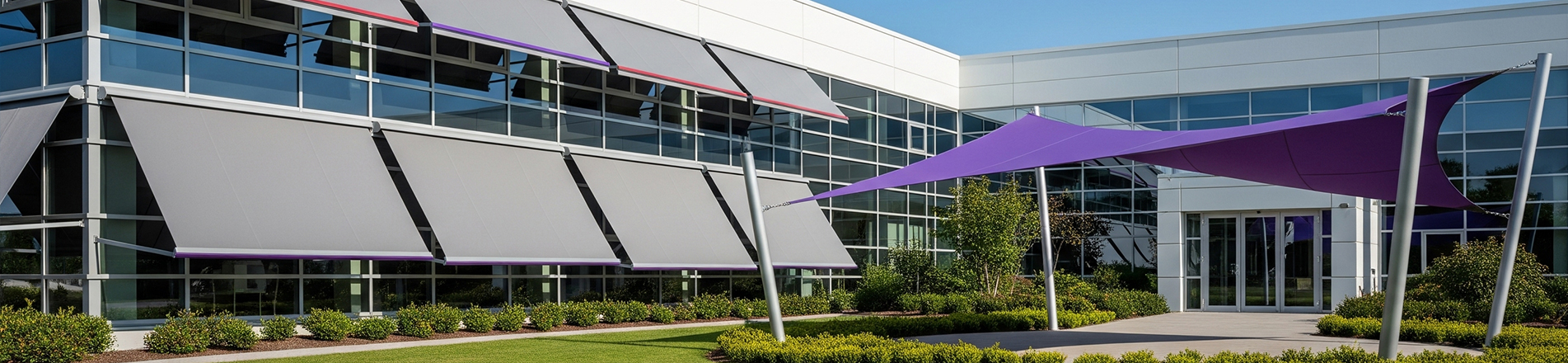
Enter product details (such as color, size, materials etc.) and other specific requirements to receive an accurate quote.

leave a message

If you are interested in our products and want to know more details,please leave a message here,we will reply you as soon as we can.
Submit
other

Blog

Home Blogs

Blog

  • Why Aluminum Shade Net Is Becoming The First Choice For Modern Outdoor Shading Projects
    Why Aluminum Shade Net Is Becoming The First Choice For Modern Outdoor Shading Projects
    Sep 22, 2026
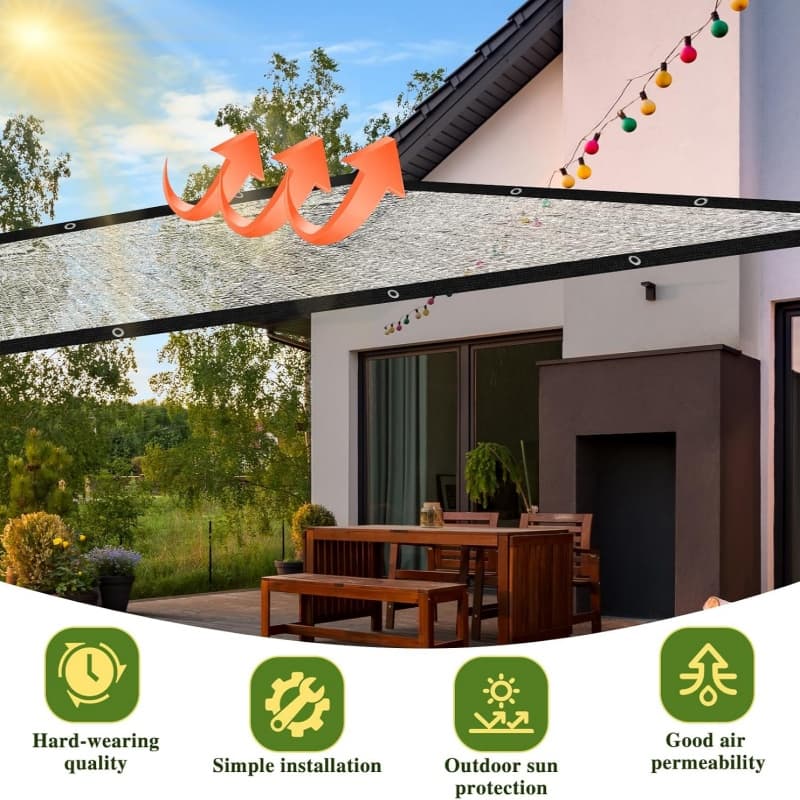
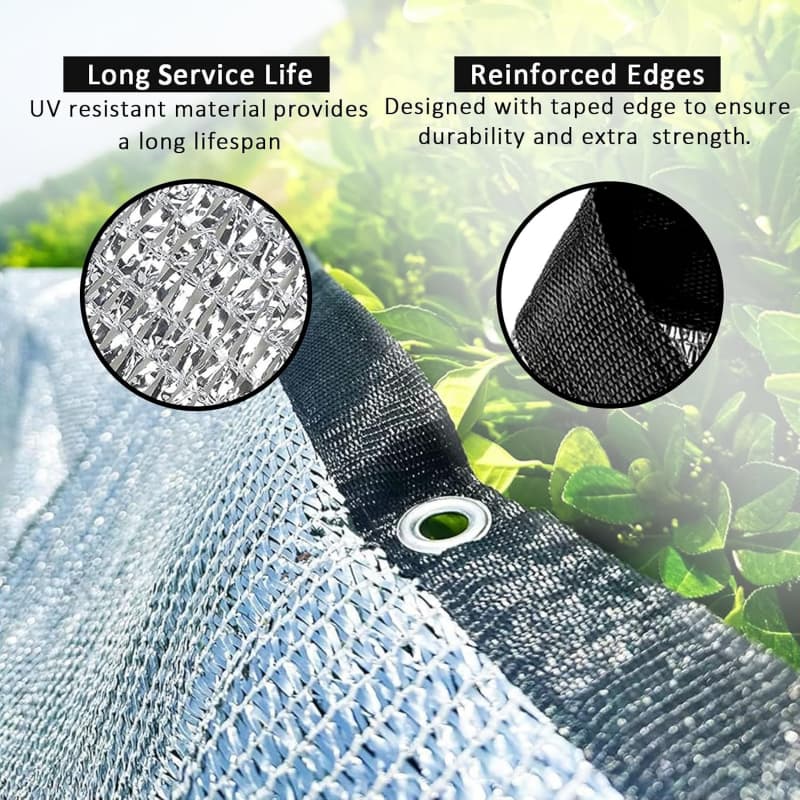
      In outdoor shading and temperature control projects, most buyers used to only focus on traditional plastic shade nets. Low cost and basic shading functions made them popular for a long time. However, with the upgrading of agricultural planting standards, construction safety requirements and outdoor facility durability demands, ordinary shading products have gradually exposed obvious shortcomings: single shading effect, easy heat accumulation, short service life and poor adaptability to extreme weather. Against this industry background,aluminum shade net has quickly become a dark horse in the global shading material market. Different from traditional products that only block sunlight mechanically, it adopts innovative heat reflection technology, perfectly balancing shading, cooling, ventilation and durability. It has now been widely recognized in greenhouse planting, livestock breeding, building engineering, outdoor storage and other fields. This blog will deeply analyze why aluminum shade net is replacing traditional shading materials and becoming the preferred solution for modern engineering and agricultural projects.   1. Core Advantage: Reflect Heat Instead Of Absorbing It, Realizing True Constant Temperature Shading   The biggest pain point of ordinary HDPE shade nets is heat gathering. After absorbing sunlight and infrared heat, the mesh itself will heat up continuously, and the accumulated heat will be released into the covered space, resulting in "shady but stuffy" situation. Especially in high-temperature summer environments, the internal temperature can hardly be effectively reduced, which is easy to cause heat damage to crops and livestock. Aluminum shade net completely subverts this working logic. The embedded high-purity aluminum reflective filaments can efficiently reflect solar infrared radiation and thermal radiation back to the air, instead of trapping heat in the mesh and the covering area. While blocking strong glare, it retains soft and uniform diffused light. This unique physical cooling principle can reduce the internal ambient temperature by 5-10℃ compared with traditional shading nets, creating a stable and comfortable microclimate for plants, animals and outdoor facilities.   2. Break The Industry Dilemma: Ventilation And Shading Coexist   Many high-efficiency heat insulation materials on the market are mostly dense and airtight. Although they have good heat insulation effects, they will block air circulation, cause poor internal ventilation, breed moisture and mold, and even affect the growth of crops and the health of livestock. In contrast, the mesh structure design of aluminum shade net realizes the perfect integration of shading and ventilation.   The standardized hollow mesh allows natural wind to circulate freely without wind pressure accumulation. It will not cause structural damage to greenhouses, breeding sheds and building scaffolds due to strong wind. At the same time, rainwater can quickly penetrate the mesh surface without water accumulation, avoiding material aging and mildew caused by long-term humidity. It solves the common industry problem of "good shading without ventilation, good ventilation without heat insulation".   3. Super Durability, Adapt To All Extreme Outdoor Environments   Outdoor shading materials need to resist ultraviolet radiation, high temperature baking, wind and rain erosion all year round. Traditional plastic shade nets are prone to aging, brittleness, fading and tearing after 1-2 years of use, requiring frequent replacement and increasing project maintenance costs.   Our aluminum shade net adopts a composite process of high-density HDPE base fabric and integrated aluminum filament lamination. The aluminum layer is tightly combined with the mesh, not easy to peel or fall off. The whole material is added with imported UV stabilizers and anti-aging additives. It can resist strong ultraviolet radiation, high temperature oxidation and low-temperature frost damage. The service life is 3-5 times that of ordinary shading nets. It maintains stable tensile strength and shading performance in long-term outdoor use, greatly reducing the secondary purchase and installation cost of users.     4. Wide Compatibility, Cover All Scenario Shading Demands   The versatility of aluminum shade net is far beyond traditional single-function shading products. It can be customized with different shading rates, sizes and edge reinforcement processes to accurately meet the diversified needs of different scenarios: Agricultural planting: Suitable for vegetable greenhouses, flower nurseries, seedling cultivation. It avoids sunburn and heat stress of crops, ensures sufficient diffused light for photosynthesis, and effectively improves crop yield and quality. Livestock breeding: Used for cattle, sheep and poultry sheds. It reduces indoor temperature, improves air circulation, reduces bacterial growth, and ensures the healthy growth of livestock and poultry. Construction engineering: Covered on building roofs and scaffolding to reduce building surface heat absorption, lower construction temperature, and protect building structures and construction personnel from high-temperature sun exposure. Outdoor public facilities: Ideal for courtyard shading, outdoor storage yards, temporary activity venues and other scenes, with lightweight and easy-to-install characteristics.   5. Low Maintenance & High Cost Performance, Ideal For Bulk Projects   For engineering contractors, agricultural suppliers and bulk purchasers, the comprehensive cost performance of materials is the core consideration. Aluminum shade net has obvious advantages in later maintenance: it is resistant to moisture, mold, fertilizer and daily friction, no special maintenance is required after installation. It can be cleaned with water directly when dusty, and can be folded and stored for repeated use in idle seasons. Although the initial purchase cost is slightly higher than ordinary shading nets, its ultra-long service life and stable performance greatly reduce the frequency of replacement and maintenance labor costs. In the long run, it is the most cost-effective shading solution for large-scale and long-term outdoor projects.   Final Summary   With the continuous upgrading of outdoor engineering and modern agricultural standards, simple sun-blocking shading products can no longer meet the high demand for fine temperature control and long-term use. Aluminum shade net has broken through the technical bottleneck of traditional shading materials with its unique heat reflection principle, ventilated shading design and super outdoor durability. Whether it is small-scale household outdoor shading or large-scale commercial agricultural and engineering projects, aluminum shade net can bring stable, efficient and long-lasting shading and cooling effects. It is not only a practical shading material, but also a cost-saving and efficiency-improving essential product for modern outdoor projects. In the future, it will further replace traditional shading nets and become the mainstream choice in the global shading market.      
    Read More
  • Why Breathability Makes PP Ground Cover Better Than Plastic Mulch for Crop Growth
    Why Breathability Makes PP Ground Cover Better Than Plastic Mulch for Crop Growth
    Sep 21, 2026
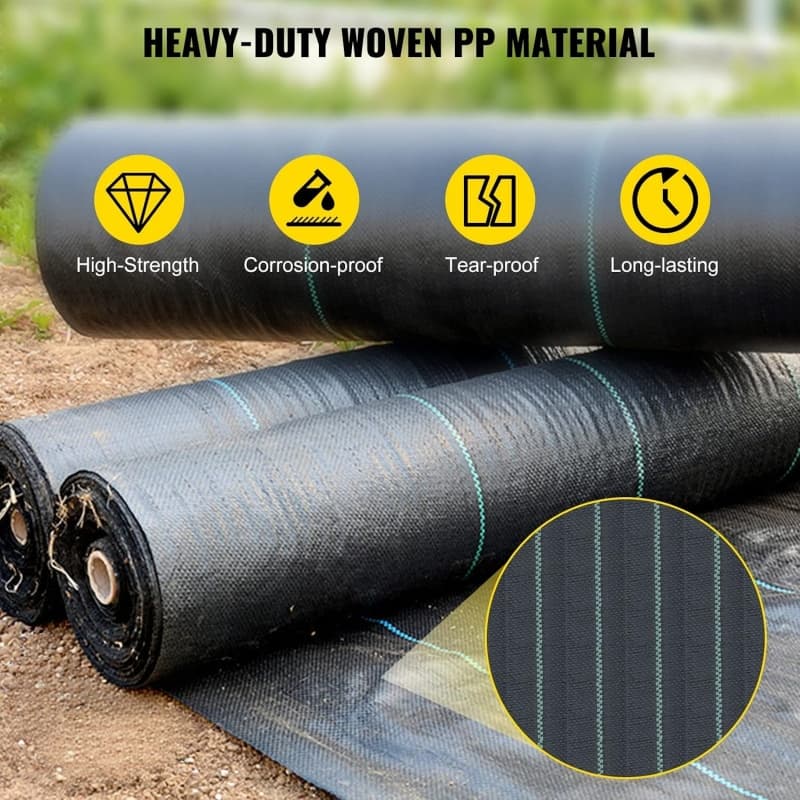
    Introduction: The Hidden Danger of Traditional Weed Barriers   Most growers and landscapers assume that all weed control materials work the same — block sunlight and kill weeds. However, many cheap plastic films and non-woven landscape fabrics solve one problem while creating another: they suffocate the soil.   A weed barrier’s ultimate goal is not only to stop weeds, but to protect and optimize the growing environment. Ordinary airtight mulch causes water accumulation, poor soil ventilation, root hypoxia, soil hardening, and frequent crop disease. This is why professional farmers and commercial landscapers are gradually switching from plastic film to woven PP ground cover — mainly for its unique breathable and permeable performance.     How PP Ground Cover’s Breathable Woven Structure Works   Different from fully covered plastic film, high-quality PP ground cover adopts a precision cross-woven flat yarn structure. The weaving gaps are scientifically controlled at a micro level, forming a “smart barrier” that features selective isolation.   The compact weaving density blocks over 98% of sunlight, completely cutting off weed photosynthesis and inhibiting weed germination from the soil bottom. At the same time, the uniform micro gaps allow air, rainwater, irrigation water, and dissolved nutrients to penetrate freely into the soil layer.   This means the ground cover kills weeds but does not seal the soil. It suppresses useless weed growth while maintaining the vitality of the planting soil.     The Core Benefits of Breathable Ground Cover for Agriculture     1. Prevents Root Rot and Soil Hardening   Airtight plastic mulch traps excess water after irrigation or rainfall. The accumulated water cannot evaporate or drain quickly, creating a long-term humid and anaerobic environment around plant roots. This easily causes root rot, stuffy roots, and stunted crop growth. Meanwhile, long-term water retention without air circulation will compact the topsoil and damage soil structure.   Breathable PP ground cover solves this problem perfectly. Excess water drains timely, air circulates continuously, and the soil remains loose and breathable all year round, creating a healthy aerobic growth environment for roots.   2. Maintains Soil Microbial Activity   Healthy farmland soil relies on active microorganisms to decompose organic matter and provide nutrients for crops. Fully enclosed plastic mulch severely reduces soil air circulation, leading to reduced microbial activity and declining soil fertility over time. PP woven ground cover ensures continuous gas exchange between soil and air. It preserves soil biological activity, improves nutrient utilization efficiency, and makes crops grow stronger and more vigorous.   3. Avoids Silt Blockage and Long-Term Performance Degradation   Many non-woven fabrics will gradually harden and block after absorbing soil silt, mud and organic debris. After one growing season, the fabric loses permeability and becomes another airtight barrier. The flat yarn woven structure of PP ground cover features smooth surface and stable gap structure. It is not easy to absorb mud and silt, effectively preventing pore blockage. Its breathability and water permeability remain stable for many years without attenuation.   Why Breathability Equals Higher Yield and Lower Maintenance   Many growers ignore that poor soil ventilation is the hidden cause of low yield, frequent diseases, and repeated replanting failures. Using breathable PP ground cover can effectively:   Reduce root diseases caused by damp and anaerobic soil   Improve water and fertilizer utilization rate   Keep soil loose, fertile and active   Cut manual soil loosening work and later maintenance costs   For long-cycle crops such as fruit trees, berries and nursery seedlings, this continuous breathable protection brings more stable growth quality and more reliable economic benefits.   Conclusion: Choose Barrier, Not Blockage   Excellent ground cover should never simply “cover the ground”. It should block weeds, preserve moisture, stabilize soil, and maintain soil vitality. If you are still using airtight plastic film or easily blocked non-woven fabric, switching to UV-stabilized breathable woven PP ground cover will be one of the most cost-effective upgrades for your farm and landscape projects.      
    Read More
  • Why Polyester Waterproof Shade Sail Is the Best Choice for Your Outdoor Space
    Why Polyester Waterproof Shade Sail Is the Best Choice for Your Outdoor Space
    Sep 20, 2026
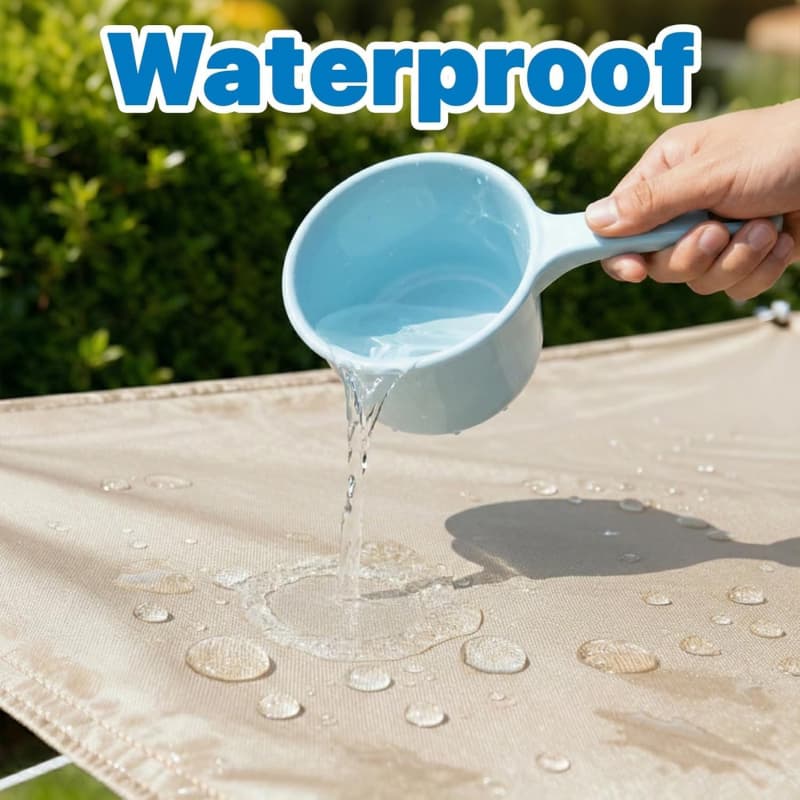
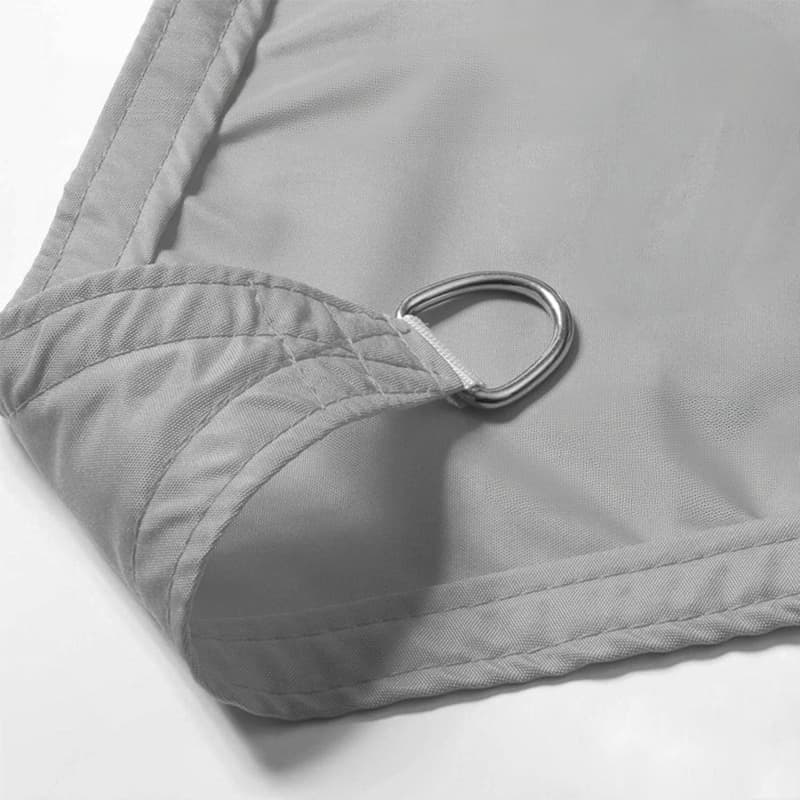
      When decorating and upgrading outdoor spaces, most people struggle with a common dilemma: traditional sun shades are breathable but leak when it rains, while fully enclosed tarpaulins are waterproof but stuffy, bulky, and difficult to manage. If you’re tired of choosing between sun protection, rain resistance, and user-friendliness for your patio, backyard, pool, or garden, a polyester waterproof shade sail is the perfect all-round solution. Unlike ordinary HDPE mesh or mixed-fabric shade sails, polyester material brings unmatched practicality, convenience, and long-term benefits for outdoor use. It is not just a simple shading tool, but a low-maintenance, high-value outdoor protection upgrade for every family and commercial outdoor area.   What Makes Polyester the Ideal Material for Waterproof Shade Sails?   1. Ultra-Easy Use & Installation — No Professional Skills Required   Thanks to the excellent tensile and shaping properties of polyester, the shade sail will not deform or stretch randomly during installation. Equipped with reinforced corners and stainless steel D-rings, it can be quickly fixed on walls, columns, tree trunks, and pergolas. One person can complete the installation in a few minutes without complicated tools or professional construction teams. When encountering extreme weather such as strong typhoons or heavy snow, you can easily remove and store it indoors to avoid damage. Compared with fixed outdoor canopies that cannot be moved or adjusted, polyester shade sails realize free switching of use and storage, greatly improving the flexibility of outdoor space use.   2. True Waterproof Performance Without Sacrificing Air Permeability   With high-density compact polyester base fabric combined with upgraded PU waterproof coating and hot-pressed sealed seams, the fabric forms a complete hydrophobic barrier, which can effectively block heavy rain and prevent water seepage. Rainwater quickly condenses into water droplets and slides off the smooth polyester surface, leaving no water accumulation or leakage. At the same time, the fine fiber structure of polyester retains micro air circulation gaps. Unlike fully enclosed tarpaulins that easily form a greenhouse effect, it keeps the space under the sail ventilated and cool in hot summer, avoiding stuffiness and moisture accumulation. This unique waterproof + breathable dual advantage makes it suitable for long-term daily outdoor use rather than only temporary rain protection. Outdoor products are most likely to become dirty, moldy, faded, and difficult to clean after long-term exposure. However, polyester’s natural material characteristics make daily maintenance extremely simple, bringing great convenience to users.   3. Incredibly Low Maintenance, Save Time and Effort   Polyester fiber has zero water absorption and anti-mold properties. It will not soak up rainwater, breed mold, or rot in humid outdoor environments. The smooth fabric surface resists daily dust, fallen leaves, and bird droppings. Daily cleaning only requires simple water flushing or wiping with a wet cloth, no special cleaning agents or tedious care steps are needed. In addition, polyester has excellent shape retention. It will not shrink in cold winter or stretch and sag in high-temperature summer, avoiding frequent rearrangement and tension adjustment. For busy families and commercial outdoor scenarios, this low-maintenance feature greatly saves daily care time and cost.   4. Long-Lasting Durability & Fade Resistance, Stable All Year Round   It can resist long-term strong ultraviolet radiation, rain erosion, and wind abrasion, maintaining a bright and tidy appearance for years without obvious fading or deformation. Its super tear resistance effectively avoids fabric cracking and damage caused by strong wind pulling and external scratching. Whether it is hot summer, rainy spring, or dry and cold autumn and winter, the polyester waterproof shade sail can maintain stable performance, realizing all-season outdoor protection and avoiding frequent replacement, which greatly improves the cost performance of outdoor decoration.   Fixed hard canopies are easy to accumulate wind pressure in windy weather, prone to shaking, deformation, and even collapse, bringing potential safety hazards. The lightweight and flexible characteristics of polyester material perfectly solve this problem. The soft polyester fabric can buffer wind pressure freely, allow partial air penetration, and will not form strong wind resistance. It is not easy to be damaged or overturned in windy days, ensuring safer outdoor use. Moreover, the foldable design will not produce hard deformation or sharp parts, making it safer for families with children and pets.   Benefiting from the lightweight, adjustable, and versatile characteristics of polyester shade sails, they can be perfectly adapted to any outdoor space. You can freely adjust the installation height and inclination according to actual needs to meet different shading and waterproof demands. It is widely used for patio leisure areas, backyards, gardens, balcony courtyards, swimming pool decks, outdoor dining areas, café outdoor seats, and commercial activity spaces. The minimalist and high-grade solid color appearance will not conflict with outdoor decoration styles, easily improving the overall aesthetics and practicality of the space.   When choosing an outdoor shading solution, practicability, convenience, and durability are always the core criteria. A polyester waterproof shade sail perfectly integrates easy installation, effortless maintenance, real waterproof & breathable performance, long-term weather resistance, and safe use. It abandons the various defects of traditional shading products, provides users with a flexible, labor-saving, and high-cost-performance outdoor protection method, and is undoubtedly the most worthy outdoor shading investment for family and commercial spaces.   5. Light & Wind-Safe Structure, Avoid Outdoor Risks   Fixed hard canopies are easy to accumulate wind pressure in windy weather,prone to shaking, deformation, and even collapse, bringing potential safetyhazards. The lightweight and flexible characteristics of polyester materialperfectly solve this problem. The soft polyester fabric can buffer wind pressurefreely, allow partial air penetration, and will not form strong wind resistance.It is not easy to be damaged or overturned in windy days, ensuring saferoutdoor use. Moreover, the foldable design will not produce hard deformationor sharp parts, making it safer for families with children and pets.     6. Wide Compatibility, Fit All Outdoor Scenarios   Benefiting from the lightweight, adjustable, and versatile characteristics ofpolyester shade sails, they can be perfectly adapted to any outdoor space. Youcan freely adjust the installation height and inclination according to actualneeds to meet different shading and waterproof demands. It is widely used forpatio leisure areas, backyards, gardens, balcony courtyards, swimming pooldecks, outdoor dining areas, cafe outdoor seats, and commercial activityspaces. The minimalist and high-grade solid color appearance will not conflictwith outdoor decoration styles, easily improving the overall aesthetics andpracticality of the space.     Final Verdict   When choosing an outdoor shading solution, practicability, convenience, anddurability are always the core criteria. A polyester waterproof shade sailperfectly integrates easy installation, effortless maintenance, realwaterproof & breathable performance, long-term weather resistance,and safe use. It abandons the various defects of traditional shadingproducts, provides users with a flexible, labor-saving, and high-cost-performance outdoor protection method, and is undoubtedly the most worthyoutdoor shading investment for family and commercial spaces.      
    Read More
  • HDPE Shade Sail vs Polyester Waterproof Shade Sail Which Is Perfect for Your Outdoor Space
    HDPE Shade Sail vs Polyester Waterproof Shade Sail Which Is Perfect for Your Outdoor Space
    Sep 19, 2026
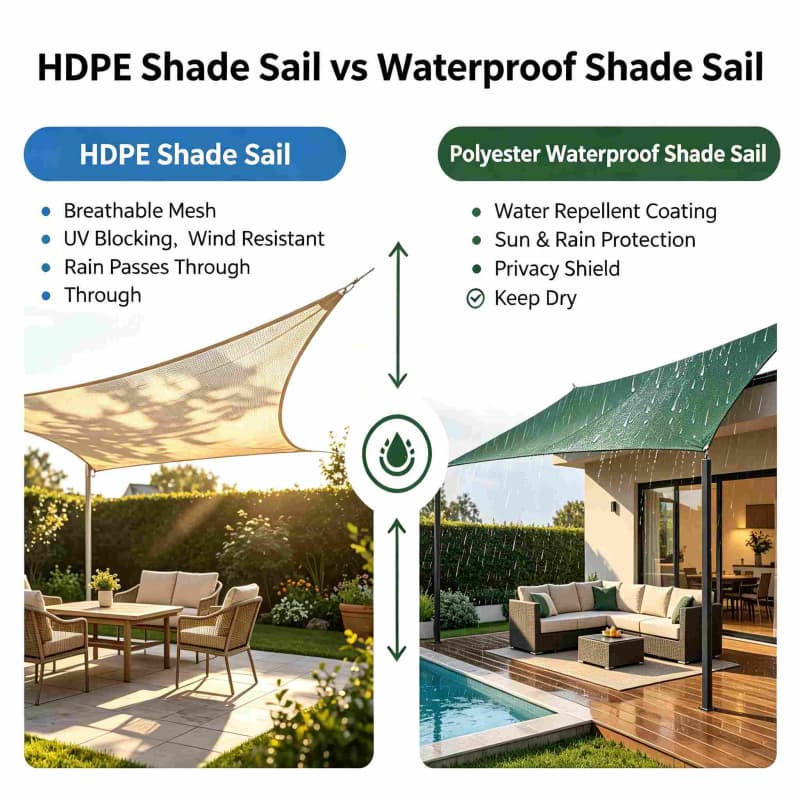
      When shopping for outdoor shade sails most homeowners gardeners and commercial contractors face a critical choice breathable HDPE shade sail or polyester waterproof shade sail. Many buyers assume all shade sails deliver the same performance but the core material defines their functionality comfort and service scenarios. One is a professional breathable sun protection solution while the other is a dual purpose sun and rain all weather shelter made of high strength polyester fabric. In this in depth comparison guide we focus on material differencesreal world performance gapspros and cons and best use cases to help you pick the ideal shade sail without wasting money on mismatched products.   1. Core Material Difference The Root of All Performance Gaps   HDPE Shade Sail Breathable Mesh Material   HDPE shade sails are woven from 100% virgin high density polyethylene yarn with professional UV stabilized additives. It features a uniform open mesh structure with no coating or waterproof treatment on the surface. The whole fabric is lightweight highly flexible and tension resistant. This material is engineered for single core performance maximum ventilation and long term sun resistance. It is the most classic and widely used shading material for outdoor ventilation scenarios. Polyester Waterproof Shade Sail Coated Solid Fabric Different from mesh style HDPE sails our waterproof shade sail adopts high density polyester as the base material paired with eco friendly waterproof and UV resistant coating. Polyester fiber boasts higher tensile strength better dimensional stability and less stretch deformation than ordinary HDPE. After precise coating treatment the compact polyester fabric forms a complete waterproof barrier while retaining soft drapability. This material is designed to solve the pain point of single function of traditional shade sails realizing sun shading and rainproof integration.   2. Key Performance Head to Head Comparison   Waterproof & Rain Resistance   HDPE Shade Sail: Zero waterproof capability. The open mesh structure allows rainwater to pass through directly. It will not accumulate water but cannot provide any rain shelter. It only works as a pure sunshade tool. Polyester Waterproof Shade Sail: Excellent water repellent performance. The tightly bonded polyester base and waterproof coating effectively block light and moderate rain preventing rain penetration. It perfectly keeps patios balconies outdoor furniture and parked cars dry. Note sloped installation is recommended to accelerate water drainage and avoid ponding in heavy rain.   Ventilation & Cooling Comfort   HDPE Shade Sail: This is its biggest advantage. The mesh structure supports 360° air circulation. Hot air under the sail escapes quickly without stuffiness or heat accumulation. Even in extreme summer heat the shaded area maintains natural and cool ventilation which is very friendly for plant growth and outdoor activity spaces. Polyester Waterproof Shade Sail: The solid polyester coated fabric is not fully breathable. It can block heat radiation but will trap a small amount of hot air. The cooling comfort is slightly lower than HDPE mesh sails not suitable for scenarios that require strict ventilation.   UV Protection & Anti Aging   HDPE Shade Sail: Comes with built in UV stabilization. It can block 85%–98% of harmful UVA and UVB rays effectively preventing sunburn and ground overheating. The anti aging performance is outstanding and it is not easy to fade or brittle under long term strong sunlight.   Polyester Waterproof Shade Sail: Polyester fiber itself has superior UV resistance and is matched with anti UV coating. The overall UV blocking rate is over 95% with more thorough shading effect. The integrated coating enhances surface wear resistance and stain resistance effectively resisting outdoor wind dust and ultraviolet erosion.   Wind Resistance & Installation Stability   HDPE Shade Sail: Low wind resistance thanks to the permeable mesh. Wind passes through the fabric freely greatly reducing the risk of sail tearing bracket loosening or overall collapse. It is the preferred choice for coastal areas open yards and windy regions. Polyester Waterproof Shade Sail: Solid fabric bears higher wind pressure. It needs tighter tensioning and firm bracket fixing during installation. It is not recommended for ultra open windy environments but performs stably in conventional residential and commercial scenarios.   3. Pros & Cons Overview   HDPE Shade Sail   Advantages   Super breathable no heat accumulation more comfortable in hot summer   Ultra low wind resistance safe and stable for long term outdoor use   Professional UV filtering soft natural light transmission   Lightweight easy to install clean and maintain   High cost performance suitable for large area shading   Disadvantages   No waterproof function cannot resist rainwater   Poor privacy protection transparent mesh structure   Polyester Waterproof Shade Sail   Advantages   Dual function sun shading + rainproof one sail for all weather use   High strength polyester base tear resistant stretch resistant durable   Solid fabric dustproof anti splash with good privacy shielding   Protects outdoor equipment furniture and vehicles from sun and rain damage   Smooth waterproof surface easy to clean and wash   Disadvantages   Lower ventilation easy to gather hot air in high temperature weather   Higher wind pressure requirement for stricter installation fixing   4. Exact Scenarios to Choose Each One   Choose HDPE Shade Sail If You Need     Shading for gardens greenhouses nurseries and farm crops ventilation is the top priority   Open lawns playgrounds and outdoor activity areas for daily leisure   Coastal suburbs and windy open spaces   Large area engineering shading with budget control   Choose Polyester Waterproof Shade Sail If You Need     Patio balcony courtyard leisure areas needing both sunshade and rain shelter   Carports outdoor storage areas and equipment protection zones   Backyard furniture outdoor kitchen and barbecue area protection   Scenarios requiring basic privacy and dustproof shielding   5. Final Verdict   There is no universal best shade sail only the most suitable one. HDPE shade sail is a professional ventilation focused sunshade solution tailored for plant growth open outdoor activities and windy areas pursuing cool and breathable environment. Polyester waterproof shade sail is a practical all weather protection solution relying on high strength polyester material to achieve sun rain dust multi dimensional protection perfectly solving the problem of sudden weather changes in daily family and commercial use. If you only need summer sun blocking and ventilation choose HDPE. If you want one time installation to cope with sunny rainy and dusty weather all year round polyester waterproof shade sail is your ideal choice.   FAQ   Q1 Is polyester waterproof shade sail fully waterproof? It adopts high density polyester with professional waterproof coating which can effectively resist light and moderate rain. It is not suitable for long term heavy rain flooding scenarios. Sloped installation is recommended for better drainage.   Q2 Which one is more durable HDPE or polyester shade sail? HDPE excels in anti aging and wind resistance for long term open air use. Polyester fabric has better tensile strength and wear resistance with stable waterproof performance for daily all weather use. Both can serve 3–5 years with standard maintenance.   Q3 Does polyester waterproof shade sail feel stuffy? Compared with HDPE mesh it has weaker ventilation but will not be extremely stuffy. It balances waterproof performance and basic air circulation meeting daily outdoor leisure needs.      
    Read More
  • Why Some Shade Nets Are So Cheap? The Truth Behind Low Cost Shade Net
    Why Some Shade Nets Are So Cheap? The Truth Behind Low Cost Shade Net
    Sep 18, 2026
      Many buyers ask us the same question: why can some suppliers offer shade nets at surprisingly low prices, while our UV stabilized HDPE shade net cannot reach that price level even after optimizing production?   The answer mainly lies in raw material selection. Cheap shade nets cut costs mostly by compromising material quality, not by improving production efficiency.   How low-cost shade nets reduce their expenses   1. Use recycled plastic material instead of new HDPE The biggest cost gap comes from raw materials. Low-price shade nets often mix recycled plastic scraps, waste plastic film and mixed recycled pellets. Recycled materials have unstable composition, poor toughness and contain many impurities. Such nets turn brittle quickly under sunlight, fade easily and break after several months outdoors.   2. Little or no UV stabilizer added UV inhibitor (UV additive) is the core ingredient to extend the service life of shade net. Cheap products reduce or completely remove UV additives to cut cost. Without UV protection, the net will degrade rapidly under strong sunlight. It may work for a short time, but becomes fragile and tears within one season.   3. Lower net weight and thinner yarn Another common cost-saving method is reducing gram weight. The yarn is thinner, mesh looser and tensile strength drops significantly. These nets are easy to tear during installation or strong wind. The actual shading rate may also deviate from the labeled value.   4. Simplified weaving and edge treatment Cheap shade nets skip reinforced edges and button holes. Simple weaving technology leads to uneven mesh, loose threads and poor consistency.   Our Shade Net: 100% Virgin HDPE with UV Stabilizer   We do not adopt the above cost-cutting methods. Our shade net uses 100% new HDPE raw material and adds UV stabilizer during extrusion.   Virgin HDPE has stable physical performance, high tensile strength and good flexibility. The UV additive protects the net against ultraviolet damage, resisting aging, cracking and fading under long term outdoor exposure. Our shade net maintains stable shading rate and mechanical strength for years.   We cannot achieve the ultra-low price of inferior shade nets without changing our raw material formula. Because high quality virgin HDPE and UV stabilizer bring fixed material cost. We choose to keep reliable quality rather than sacrifice performance for a lower price tag.   Choose shade net wisely: low upfront cost may turn into higher total cost   Cheap shade net seems attractive at first glance. But frequent replacement, crop loss caused by sudden net breakage and extra labor for re-installation will increase your total expense in the long run.   A durable HDPE shade net with UV protection is a better investment for greenhouses, orchards, poultry farms and garden projects. It protects your plants and livestock, reduces repeated purchasing and saves your time and labor.    
    Read More
  • Choosing HDPE Shade Nets by Shade Rate: Applications & Tips
    Choosing HDPE Shade Nets by Shade Rate: Applications & Tips
    Sep 17, 2026
      HDPE (High-Density Polyethylene) shade nets are one of the most versatile, durable, and cost-effective outdoor protection materials worldwide. Featuring excellent UV resistance, high tensile strength, breathable structure, and long service life, they are widely used in agricultural planting, livestock farming, residential outdoor shading, aquaculture, construction dust control, and industrial material protection.   Most buyers make a common mistake: choosing shade nets by price instead of shade percentage. The shade rate directly determines sunlight blocking, temperature reduction, light transmission, and ventilation effects. A mismatched shade rate will lead to stunted crop growth, plant sunburn, stuffy breeding environments, or insufficient cooling effects.   In this complete guide, we categorize HDPE shade nets by low, medium, and high shade rates, explaining their core features, applicable scenarios, and professional usage tips to help you pick the perfect shade net for your project.   1. Low Shade Rate (25%–40%): Soft Light Protection for Sun-Loving Plants & Mild Shading   Low-density shade nets block only 25% to 40% of direct sunlight and harmful UV rays, retaining sufficient natural scattered light while avoiding intense solar radiation. With superior air permeability and minimal temperature blocking, they create a cool and well-lit environment, ideal for light-demanding crops and gentle outdoor shading.   Best Application Scenarios   Crop Seedling Nursery: Perfect for vegetable seedlings, melon sprouts, and field crop seedlings. Prevents leaf scorch and seedling wilting under midday harsh sun while ensuring enough photosynthetic light to improve survival rates and promote robust growth.   Sun-Loving Flowers & Plants: Suitable for roses, sunflowers, bougainvilleas, and other heliophytes. Avoids petal browning and leaf yellowing caused by extreme sunlight without restricting plant growth.   Residential Garden & Balcony Shading: Ideal for open-air vegetable gardens, small courtyards, and balcony plant areas. Softens strong glare, slightly lowers ambient temperature, and keeps outdoor spaces bright and breathable.   Core Advantage: Protects plants without blocking essential sunlight, the best choice for daily maintenance of sun-exposed vegetation.   2. Medium Shade Rate (50%–75%): All-Rounder for Agriculture, Livestock & Outdoor Living   The 50%–75% shade range is the most universal and practical specification for global users. It balances efficient cooling, UV blocking, and proper light transmission, reducing ambient temperature by 5–8°C in hot summer while maintaining a non-stuffy, well-ventilated environment. This multi-functional shade rate fits most commercial and residential scenarios.   Best Application Scenarios   Greenhouse & Horticulture Planting: Perfect for leafy vegetables, mature melon and fruit crops, and ornamental seedlings. Prevents high-temperature stress that causes flower and fruit drop, stabilizes crop yield, and adapts to most greenhouse planting environments.   Partial Shade Plants: Suitable for pothos, dracaena, bonsai, and landscape nursery plants that prefer diffused light. Blocks intense sunlight to avoid leaf drying and sunscald.   Outdoor Leisure Spaces: Widely used for patio shading, pergola coverings, backyard canopies, and swimming pool areas. Delivers comfortable cooling without dim lighting, creating a pleasant outdoor living environment.   Livestock Farming: Ideal for cattle, horse, and general poultry sheds. Reduces heat stress for livestock in hot weather, ensures good ventilation, and avoids excessive humidity inside the breeding house.   Household & Commercial Protection: Shades outdoor furniture, parking areas, and outdoor equipment to delay aging caused by long-term UV exposure.   Core Advantage: A cost-effective all-round option with zero scenario limitations, suitable for 80% of agricultural, residential, and small commercial shading needs.   3. High Shade Rate (80%–95%): Maximum Shading for Specialized Farming & Industrial Protection   High-density HDPE shade nets block 80% to 95% of sunlight and ultraviolet rays, providing extreme cooling, full shading, and dust insulation. With low light transmittance, they are not suitable for common green plants but designed for specialized low-light farming, aquaculture, and industrial shielding scenarios. Best Application Scenarios   Mushroom & Fungi Cultivation: Completely adapts to the low-light and humid growth habits of oyster mushrooms, shiitake mushrooms, and button mushrooms, boosting yield and quality effectively.   Aquaculture Protection: Covers fish ponds, shrimp ponds, and turtle breeding pools. Stabilizes water temperature, inhibits moss overgrowth, prevents water quality deterioration caused by direct sunlight, and reduces aquatic product mortality.   Shade-Loving Special Plants: Perfect for succulents like Haworthia, ferns, hostas, and other shade-dependent plants, preventing sunburn, fading, and withering.   Construction & Industrial Use: Widely used for construction soil covering, material yard dust control, warehouse shading, and outdoor equipment shielding. Provides excellent dust-proof, sun-proof, and aging-resistant effects.   Large-Scale Livestock Farms: Creates fully shaded and low-temperature environments for intensive poultry and livestock breeding, eliminating heatstroke risks in extreme summer heat.   Core Advantage: Professional extreme shading and dust-proof solution for special industries and low-light growth environments.   Quick Reference Chart: Shade Rate vs Suitable Scenarios     Shade Rate Key Features Ideal Applications 25%–40% High light transmission, mild cooling, excellent ventilation Seedling nursery, sun-loving flowers, garden mild shading 50%–75% Balanced shading & lighting, obvious cooling, versatile Greenhouse planting, patio shading, livestock sheds, nursery stock protection 80%–95% Maximum shading, extreme cooling, dust insulation Fungi cultivation, aquaculture, construction dust control, industrial covering     Professional Tips for Buying & Using HDPE Shade Nets   1. Avoid blind high-shade selection   Excessively high shade rates cause insufficient light, poor ventilation, and humid environments, leading to plant overgrowth, root rot, and pest infestations for common crops and gardens.     2. Choose virgin HDPE material   New-grade HDPE nets feature enhanced UV resistance and anti-aging performance, with a service life of 3–8 years. Recycled material nets are fragile, uneven in shading, and prone to cracking under sun exposure.     3. Adjust according to climate   Select relatively higher shade rates for tropical and strong sunlight areas; choose low-to-medium shade rates for temperate regions with mild sunlight.     4. Prioritize breathable installation   Reserve gaps during installation to ensure air circulation. The core of shading is cooling without stuffiness, which maximizes the protective effect of HDPE shade nets.   Final Summary   The key to choosing an HDPE shade net is matching the shade percentage to your actual scenario. Pick 25%–40% for seedling and sun-loving plant protection, 50%–75% for universal agriculture, livestock, and outdoor shading, and 80%–95% for specialized low-light farming and industrial shielding.   With the right shade rate, HDPE shade nets can deliver stable UV protection, temperature reduction, and dust control, bringing long-term value for agricultural production, residential life, and industrial projects.        
    Read More
  • Colored Shade Net: Different Colors Deliver Unique Light Spectrum & Cooling Effects for Your Outdoor Projects
    Colored Shade Net: Different Colors Deliver Unique Light Spectrum & Cooling Effects for Your Outdoor Projects
    Sep 16, 2026
    1. Black Shade Net   Characteristics Absorbs full-spectrum sunlight, blocks UV evenly, no distortion of natural light ratio. High shading efficiency, cost-effective, strong anti-UV pigment, long service life. Limitation: Absorb heat and radiate mild heat downward; the space underneath will be slightly warmer than white net under same shading rate.   Suitable scenarios   Seedling nurseries, shade-loving plants, orchard fruit sunscald prevention   Livestock & poultry sheds, construction site shading, parking lots   General agriculture, budget bulk wholesale projects   Northern areas / spring & autumn use (small temperature fluctuation)   2. Green / Dark Green Shade Net   Characteristics Filters partial green light, retains balanced red & blue photosynthetic light. Visual matches plants and landscape, natural aesthetic. Heat absorption is moderate, between black and white. Most popular choice for home garden & landscape decoration.   Suitable scenarios   Home garden, courtyard pergola, balcony, landscape shading   Vegetable planting, general greenhouse, ornamental foliage plants   Park, leisure area, privacy screening   3. White Shade Net    Characteristics Reflect infrared heat instead of absorbing it. Under the same shading rate, it is 2~3°C cooler than black net. Produces soft diffused light, light distributes evenly deep into crop canopy. Cons: Easy to show dirt; slightly higher cost.   Suitable scenarios   High-temperature tropical & subtropical regions, summer greenhouse external shading   Heat-sensitive crops, floriculture (gerbera, rose, carnation)   Aquaculture, fish pond cover, outdoor event tents   Places require bright shaded environment without dimness   4. Blue Shade Net    Characteristics Filters red spectrum, promotes compact plant growth, boosts leaf & root development. Cool visual effect. Mainly photoselective net for horticulture, also widely used for pool & recreation area decoration.   Suitable scenarios   Foliage ornamental plants, leafy vegetable cultivation   Swimming pool shade, playground, resort leisure area   Specialized greenhouse for compact plant morphology control   5. Red Shade Net    Characteristics Increase red light transmission, stimulate flowering, fruit setting and biomass accumulation. Photoselective agricultural net.   Suitable scenarios   Flowering crops, fruit trees, tomato, strawberry, cut flower farm   Commercial horticulture for higher yield & bloom quantity     Color Heat Feature Light Performance Best Application Black Absorbs heat, slightly warmer under net Even full-spectrum shading Nursery, livestock, construction, general farm Green Moderate heat absorption Balanced light, landscape friendly Home garden, patio, balcony, foliage plants White Reflect heat, coolest Soft diffused bright light Hot climate greenhouse, flowers, aquaculture, events Blue Moderate heat Filter red light, compact plant growth Leafy ornamentals, pool, playground Red Moderate heat Boost red light, promote bloom & fruit Cut flowers, fruit & vegetable commercial farm   Quick Buying Tip   1.For temperature priority & extreme hot climate: Choose white shade net   2.For general farm, low budget, strong shading: Black shade net   3.For home courtyard & landscape aesthetic: Green shade net   4.For special crop growth regulation: Blue / red photoselective shade net   Note: Shading rate (30%~95%) is more important than color. Color only fine-tunes light spectrum and temperature.  
    Read More
  • Metal Aluminum Shade Net vs Plastic Shade Net: Core Differences
    Metal Aluminum Shade Net vs Plastic Shade Net: Core Differences
    Sep 15, 2026
      When shopping for outdoor shading solutions for greenhouses, patios, livestock farms, or construction sites, most buyers face a classic choice: ordinary plastic shade net or metal aluminum shade net. Both can block sunlight, but their core working principles, cooling performance, durability, and long-term cost vary drastically.   Many users mistakenly believe all shade nets deliver the same effect. In fact, traditional plastic shade nets only “block light,” while premium metal aluminum shade nets truly “cool down” spaces. In this article, we break down their key differences to help you pick the most cost-effective shading solution for your project.   1. Core Working Principle: Heat Reflection vs Heat Absorption   This is the biggest fundamental difference between the two products.   Ordinary Plastic Shade Net Made of pure HDPE plastic fibers, it works by absorbing sunlight and physically blocking visible light. However, most absorbed solar energy is converted into heat and released back into the covered area. This explains why spaces under black plastic shade nets still feel sweltering on hot summer days — it creates shade but cannot reduce ambient heat.   Metal Aluminum Shade Net Constructed with UV-stabilized HDPE base woven with high-purity aluminum foil strips, it adopts a physical heat reflection principle. Instead of trapping heat, it bounces off infrared radiation and UV rays from the sun. It reduces ground and air temperature directly while maintaining smooth air circulation, creating a visibly cooler microclimate under the net.   2. Cooling & Lighting Effect: Cooler Space & Soft Diffused Light   Plastic shade nets produce thick, dark shadows. Excessive shaded areas may cause insufficient light for plants, slow growth, or leggy seedlings. Meanwhile, the accumulated residual heat often leads to high temperature and high humidity under the net, triggering plant diseases and heat stress in livestock.   Metal aluminum shade nets deliver uniform diffused light. The metallic aluminum layer softens harsh direct sunlight without blocking essential photosynthetic light. It can lower the under-net temperature by 5–12°C compared with ordinary plastic nets, effectively preventing leaf burn, crop sunscald, and heat exhaustion for poultry and livestock. This unique advantage makes it the preferred shading material for high-value greenhouses and commercial planting bases.   3. Durability & Weather Resistance: Long-Term Outdoor Stability   Outdoor shading products face long-term exposure to strong UV rays, rain, and wind, so anti-aging performance is critical.   Ordinary plastic shade nets have a short service life. After 1–2 years of continuous sun exposure, plastic fibers gradually become brittle, fade, and tear easily. Their UV resistance drops sharply over time, requiring frequent replacement and increasing overall project costs.   Metal aluminum shade nets feature excellent weather resistance. The woven aluminum structure is anti-oxidation and corrosion-resistant, with added UV stabilizers in the base material. It resists aging, fading, and tearing in extreme hot, rainy, and windy environments. With a service life 2–3 times longer than ordinary plastic nets, it greatly reduces maintenance and replacement frequency for long-term outdoor projects.   4. Ventilation & Moisture Control: No Stuffy & Humid Environment   Good shading must be paired with breathable performance, especially for agricultural planting and livestock breeding scenarios.   Traditional thick plastic shade nets easily cause poor air convection. Heat and moisture accumulate under the net, forming a stuffy and humid environment that breeds bacteria and molds, endangering plant and animal health.   The open knitted mesh structure of aluminum shade nets ensures unobstructed cross-ventilation. Hot air and moisture can dissipate freely, avoiding dampness and stuffiness. It maintains a dry, cool, and ventilated under-net environment all year round.   5. Seasonal Adaptability: All-Weather Multifunctional Use   Ordinary plastic shade nets are single-functional, only suitable for summer sun shading. They cannot adapt to low-temperature environments and have no heat preservation effect at night.   Metal aluminum shade nets support four-season use. In summer, it reflects solar heat for cooling and sun protection; in autumn and winter, it effectively reduces indoor heat loss, playing a certain heat preservation and anti-frost effect. This all-weather performance makes it ideal for perennial greenhouses, fixed patio shading, and long-term construction site protection.   6. Cost Performance: Low Initial Cost vs Low Long-Term Cost   Ordinary plastic shade nets have a low upfront price, suitable for short-term temporary shading (within 1 year). However, frequent replacement and maintenance lead to higher comprehensive costs in the long run. Metal aluminum shade nets have a slightly higher initial investment, but their ultra-long service life and stable performance eliminate frequent replacement costs. For commercial farms, large greenhouses, engineering projects, and permanent outdoor shading, it delivers higher long-term cost performance.   Quick Comparison Table: Aluminum Shade Net vs Plastic Shade Net     Item Ordinary Plastic Shade Net Metal Aluminum Shade Net Working Principle Light absorption & physical shading Heat reflection & UV blocking Cooling Effect Weak, easy heat accumulation Strong, 5–12°C temperature drop Light Quality Hard dark shadow Soft diffused light Service Life 1–2 years (easy aging) 3–5+ years (anti-aging) Ventilation Poor, easy stuffy Excellent, breathable & dry Best Application Short-term temporary shading Agriculture, outdoor permanent shading, engineering     Final Verdict: Which One Should You Choose?   Choose Ordinary Plastic Shade Net If: You only need temporary shading for a few months, with low budget requirements and no long-term use demand.   Choose Metal Aluminum Shade Net If: You need stable cooling effect, plant protection, long-term outdoor use, and lower comprehensive maintenance costs. It is the best upgrade solution for greenhouses, livestock sheds, villa patios, carports, and construction projects.   Conclusion   The core upgrade from plastic shade net to metal aluminum shade net is from simple "light blocking" to professional "intelligent temperature control shading". With superior cooling performance, longer service life, and better crop/livestock protection effects, aluminum reflective shade nets are gradually becoming the mainstream choice for global commercial and high-end outdoor shading.   If you are looking for high-quality, customizable metal aluminum shade nets with multiple shade rates and sizes, contact us for wholesale pricing and professional shading solutions!    
    Read More
  • Say Goodbye to Weeds: Why PP Ground Cover Is the Smartest Choice for Your Garden
    Say Goodbye to Weeds: Why PP Ground Cover Is the Smartest Choice for Your Garden
    Sep 11, 2026
    PP Ground Cover: The Easy-to-Install, Long-Lasting Weed Barrier Your Garden Needs   Let's be honest — weeding is nobody's favorite weekend activity. You pull the weeds out, and two weeks later they're back, stronger than ever. If you're tired of the endless cycle of bending, pulling, and fighting stubborn weeds, PP ground cover is the solution you've been looking for. PP (polypropylene) ground cover — also known as weed barrier fabric or landscape fabric — is one of the simplest, smartest ways to keep your garden, flower beds, and paths weed-free for years. And the best part? It's easy to use, incredibly simple to install, and made to last. Here's everything you need to know.   What Is PP Ground Cover?   PP ground cover is a durable sheet of non-woven or woven polypropylene fabric that you lay over the soil. It works in two simple ways:   It blocks sunlight, so weed seeds buried in the soil never get the light they need to sprout.   It lets water and air pass through, so your soil stays healthy while weeds stay away.   Unlike plastic film, PP fabric doesn't suffocate your soil or turn brittle in the sun. That's why it's the go-to choice for home gardeners, landscapers, and commercial growers alike.   Reasons to Choose PP Ground Cover   1. Incredibly Easy to Use   PP ground cover is designed with convenience in mind:   Lightweight and easy to handle — it comes in compact rolls that one person can carry and unroll with ease.   Simple to cut — regular scissors or a utility knife are all you need; no power tools required.   Works anywhere — vegetable gardens, flower beds, pathways, under gravel, around trees, or in greenhouses. Whatever the space, PP ground cover adapts.   Low maintenance — once it's down, it quietly does its job season after season. No watering schedules, no chemicals, no fuss.   2. Simple to Install (No Contractor Needed)   Forget complicated installations. With PP ground cover, the whole job is a straightforward DIY project you can finish in an afternoon — even if you've never laid landscape fabric before.   What you'll need: PP ground cover roll, garden scissors or a utility knife, ground pins (or landscape staples), and mulch, gravel, or bark.     That's it. No special skills, no rented equipment, no professional help.   3. Built to Last   Quality matters, and the quality of PP ground cover shows in how long it serves you:   UV-stabilized polypropylene resists sun damage, so it won't break down or crumble after a season in direct sunlight.   Tear-resistant and puncture-resistant — it holds up under foot traffic, heavy mulch, and even sharp-edged gravel.   Won't rot or mold in wet soil, unlike some natural-fiber alternatives.   Reusable and recyclable — when you finally need to replace it, it doesn't pollute your soil the way plastic film can.     A good-quality PP ground cover can serve you for several growing seasons with proper care — which makes it one of the best-value investments in your garden.   PP Ground Cover vs. Other Weed Barriers   Feature PP Ground Cover Woven Landscape Fabric Plastic Film Weed blocking Excellent Good Excellent Water & air permeability ✅ Passes through ✅ Passes through ❌ Blocks Durability High, UV-resistant Moderate Low, brittle in sun Ease of installation Very easy Easy Easy Soil health Healthy Healthy Can suffocate soil Reusability High Moderate Low   Frequently Asked Questions   Does water pass through PP ground cover?   Yes. Quality PP ground cover is designed to be permeable, letting water, air, and nutrients reach the soil while blocking weeds.   How long does PP ground cover last?   With UV-stabilized, quality polypropylene, you can expect several growing seasons of reliable service — depending on climate, sun exposure, and fabric weight.   Can plants grow through it?   Yes, if you plant them. Cut an X-shaped slit for each plant; established plants grow through easily while weeds underneath stay suppressed.   Is PP ground cover eco-friendly?   Polypropylene is recyclable, and because quality fabric is reusable, it reduces the need for chemical weed killers and single-use plastic film.   Final Thoughts   You don't need to spend another summer fighting weeds. PP ground cover gives you an easy-to-use, simple-to-install, and genuinely durable solution that keeps your garden looking its best — with a fraction of the effort.   Ready to reclaim your weekends? Choose the right width for your beds, grab a box of ground pins, and lay your PP ground cover this weekend. Your garden (and your back) will thank you.  
    Read More
  • Bugs Out, Breeze In — The Screen Door Your Garden Has Been Missing
    Bugs Out, Breeze In — The Screen Door Your Garden Has Been Missing
    Sep 10, 2026
    The Screen Door Your Garden Has Been Missing   Bugs out. Breeze in. That's the whole philosophy.   You wouldn't live in a house without screens — the windows open, the flies in, the whole summer spent waving your arms. Your garden doesn't get to close its windows, so it needs the next best thing: a screen of its own.   Anti-insect netting is exactly what it sounds like — a featherweight mesh that hangs over your beds like a screen door for your crops. The breeze comes through. The rain comes through. The sunshine comes through. The aphids, the thrips, the whiteflies, the birds who've been treating your berry bush like a drive-thru? They stay outside, pressed against the screen, wondering where their lunch went.   What you'll notice in week one   Whole leaves. No lace, no holes. Your greens actually look like greens again. Bite-free fruit. Tomatoes, berries and peppers that reach the table with zero bite marks — like they were never even offered around. No surprise guests. No caterpillars in the salad spinner. No moths hiding in the broccoli. What you harvest is exactly what you planted. A garden you can leave. Book that trip. Come back a week later to a garden that looks exactly how you left it — only bigger.   Why it works, in one sentence   Fine-mesh HDPE, woven tight enough to turn away insects you can barely see, yet open enough to let a summer breeze pass. Same logic as the screen on your window — scaled up, UV-stabilized, and content to sit in the sun year after year.   The parts nobody talks about   It's a windbreak. Tender young plants stop getting whipped sideways by every gust. It's a sunshield. In a heatwave, that thin layer of shade is the difference between crispy and thriving. It's a bird negotiator. The fruit ripens in peace; the birds find lunch somewhere else. It keeps its composure. Rain slides off, dirt shakes off. At season's end, fold it up and it waits quietly for spring.    What it is not   Not a chemical. No spraying. No gloves. No waiting periods between last spray and first bite. Not a one-season wonder. With basic care it comes back to work, year after year.  Not magic. It's a physical barrier — which is exactly why it works. And no barrier is absolute: clean beds and a little crop rotation make it work even better. Honest, and still the easiest win your garden will get this year.   A quiet note to gardeners   The best tools don't make a scene. They sit there doing their job so quietly you forget they're there — until one morning, coffee in hand, you step out and realize your garden has never looked this… peaceful. Give your garden its screen door.   Windows open. Pests closed. Finally.  
    Read More
  • Let the Sun In, Keep the Bugs Out: The Complete Guide to Anti Insect Nets for Your Garden
    Let the Sun In, Keep the Bugs Out: The Complete Guide to Anti Insect Nets for Your Garden
    Sep 09, 2026
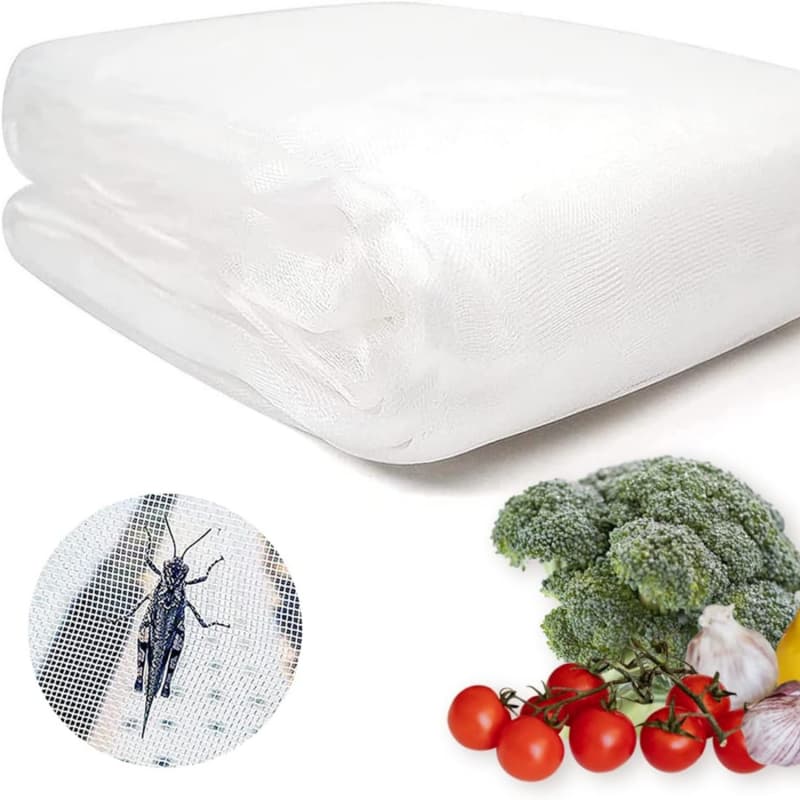
    Anti insect nets protect vegetables, fruit and greenhouse crops from aphids, whiteflies and caterpillars — without chemicals. Learn how mesh counts work, where to use them and how to install one in minutes.   Every gardener knows the feeling. You till the soil, plant the seeds, water every evening, and wait. Then one morning you find the leaves lacy with holes, the cabbage full of tiny green caterpillars, the young lettuce stripped to the stem. The pests got there before you did.   You have two choices: reach for the spray bottle, or think differently. More and more home gardeners are choosing the second option — and their tool of choice is a simple, brilliant piece of fabric: the anti insect net.   What is an anti insect net?   An anti insect net is a fine mesh covering that fits over your crops like a breathable shield. It blocks insects from reaching your plants while letting sunlight, air and gentle rain pass through. Think of it as a bodyguard for your garden: always on duty, never toxic, and perfectly happy to work silently in the background.   The magic is in the mesh. The holes are small enough to stop the insects that damage your crops — aphids, whiteflies, caterpillars, leafminers, thrips — but open enough to keep your plants growing exactly as they should.   Why your garden needs one   1.Fewer chemicals, cleaner food A net is a physical barrier, not a poison. It protects your plants without coating them in pesticides, which means cleaner leaves, cleaner soil, and safer food for your family. It also leaves beneficial insects — the bees, ladybugs and lacewings doing good work nearby — largely undisturbed.   2. Better harvests, less heartbreak Insects don't just nibble; they transmit disease. Aphids and whiteflies can carry plant viruses that ruin an entire crop. By keeping them out from the start, a net protects both the leaves you can see and the yield you can't.   3. Less time spent fighting No spraying schedules, no traps to check, no daily patrols for holes. Once the net is in place, the argument with the bugs is over. You water, you harvest, you enjoy.   4. Protection that works all season A good UV-stabilized net shrugs off sun, wind and repeated folding. Install it in spring, and it will still be ready for you next season — wash it, dry it in the shade, roll it up, and it's ready to go again.   Choosing the right mesh count   The mesh count decides exactly what gets through — and what doesn't. Here's a simple guide:   Fine mesh (30–50): stops tiny pests like aphids, thrips and whiteflies. Best for leafy greens, seedlings and greenhouse crops.   Medium mesh (16–24): handles larger pests like cabbage moths, caterpillars and grasshoppers. A good all-rounder for most vegetable beds   If you're not sure where to start, medium mesh is a safe choice for most home gardens — fine enough for the common pests, open enough for good airflow in warm weather.   Where to use it   The net is endlessly flexible. Drape it over raised vegetable beds to protect cabbage, lettuce and brassicas from cabbage moths and aphids. Cover fruit trees and berry bushes to keep birds and fruit flies off your cherries and blueberries. Stretch it over greenhouse tunnels and hoop houses for clean, ventilated coverage. Even a small balcony with potted herbs can get a mini frame — city gardens deserve protection too.   How to install it in three steps   1.Measure and cut. Lay the roll over your bed or frame and trim it with ordinary scissors. Add a little slack — your plants need room to grow into their cover.   2.Drape and anchor. Cover the crop and pin the edges with soil, clips or U-pins. Secure enough to shrug off wind, loose enough to lift whenever you need to.   3.Lift when it's time. When flowers open, roll back the ends so bees and pollinators can visit — then close it again. Protection that knows when to step aside.   Frequently asked questions   Will the net block too much sun? No. The mesh is designed to pass light, air and rain while keeping insects out. In very hot climates, choose a medium mesh count and keep the top well ventilated.   Can bees and pollinators get in? When your crop starts flowering, roll back the ends or lift the net during the day so pollinators can visit — then close it again. The net steps aside exactly when your garden needs it to.   Is it reusable? Yes. UV-stabilized insect netting is made to last several seasons. Rinse it, let it air-dry in the shade, and store it rolled.     Your plants spend all day turning sunlight into leaves, fruit and flavor. Pests spend all night looking for a way in. An anti insect net is the quiet, chemical-free answer — a woven line of defense your plants can breathe through. Choose the right mesh, pick your size, drape it over your beds, and let the net do the arguing with the bugs.   Sunshine in. Bugs out. That's the whole deal.  
    Read More
  • What to Know Before Buying a Polyester Waterproof Shade Sail
    What to Know Before Buying a Polyester Waterproof Shade Sail
    Sep 08, 2026
      Outdoor living has one common pain point: it’s always weather-dependent. One minute you’re enjoying a quiet patio afternoon, and the next, sudden sunshine or unexpected light rain forces you to head indoors. Most outdoor shading solutions only solve half the problem — either they block sun but leak rain, or they block water but feel rigid and unattractive. This is exactly why polyester waterproof shade sails have become a top choice for modern homeowners. Unlike traditional shade equipment, they fill the gap between restrictive hard awnings and flimsy mesh shades, bringing flexible, all-weather protection for daily outdoor use.   The Unique Advantage of Polyester Shade Fabric   What sets premium polyester apart from ordinary shade materials is its balanced practicality. Made with tight high-density weaving and professional water-repellent finishing, the fabric is designed for daily outdoor weather changes, rather than extreme industrial use. It effectively filters harsh UV rays to cool patio and backyard spaces, preventing outdoor furniture and floors from fading under long sun exposure. Meanwhile, the hydrophobic surface lets rainwater bead up and slide off easily, providing reliable coverage during sudden drizzles and light rain. Unlike stiff plastic tarps that trap heat and look bulky, polyester maintains a soft, breathable texture. It keeps air circulating gently under the shade, ensuring your outdoor space stays comfortable instead of stuffy on hot days.   Perfect for Flexible, Seasonal Outdoor Use   Most residential users don’t need permanent industrial-grade shading — they need something adaptable. Polyester waterproof shade sails shine in daily casual scenarios thanks to their lightweight and foldable features. You can easily install it alone for weekend gatherings, family barbecues, garden relaxation, or children’s outdoor play. When facing strong storms or cold winters, it can be quickly removed, folded up, and stored without taking up much space. This flexible usage mode avoids the aging and damage caused by long-term blind exposure. It also fits light commercial scenarios perfectly, such as café outdoor seating and small shop temporary shading, adding a neat, minimalist look without destroying the original outdoor style.   Long-Lasting Performance With Zero Complicated Maintenance   One of the most underrated strengths of polyester shade sails is their low maintenance cost. The premium fabric is resistant to daily stains, dust, and mild dirt accumulation. There’s no need for frequent deep cleaning or professional maintenance. Normally, natural rain flushes most surface dirt away. A simple water rinse is enough to restore its clean look and maintain stable waterproof and sun-proof performance. With reinforced edge craftsmanship, the sail can resist daily wind pulling and avoid edge cracking or deformation, ensuring long-term reusable value.   Final Summary   If you’re tired of compromising between sun protection and rain resistance, and want an outdoor shade that is beautiful, practical, and easy to manage, a polyester waterproof shade sail is the ideal upgrade. It turns your idle open space into a comfortable weather-resistant leisure area, letting you enjoy outdoor life without worrying about sudden weather changes.   Quick FAQ   Q: Is polyester waterproof shade sail suitable for daily home use? A: Absolutely. It is tailor-made for residential backyards, patios and gardens, balancing aesthetics, comfort and basic weather protection.   Q: Does it keep cool under the shade? A: Yes. The breathable polyester structure avoids heat accumulation, offering cooler shade than ordinary waterproof tarps.   Q: How to extend the service life of the shade sail? A: Regular simple cleaning and timely storage in extreme weather can greatly maintain the fabric performance and appearance.    
    Read More
1 2 3 4 5 6 7 8 9 10
A total of10pages

leave a message

leave a message
If you are interested in our products and want to know more details,please leave a message here,we will reply you as soon as we can.
submit

Home

Products

whatsApp

contact