How Black HDPE Shade Net Helps Cut Farm Energy Costs Without Power
Nov 02, 2026
Energy bills are one of the biggest recurring headaches for modern farms and greenhouse operators. Evaporative cooling pads, exhaust fans and barn cooling systems run nonstop through heatwaves, pushing operational costs higher year after year. Many growers immediately look for bigger pumps or upgraded electrical equipment. But there is a quieter, zero-power solution already widely trusted by commercial growers: black HDPE shade net.
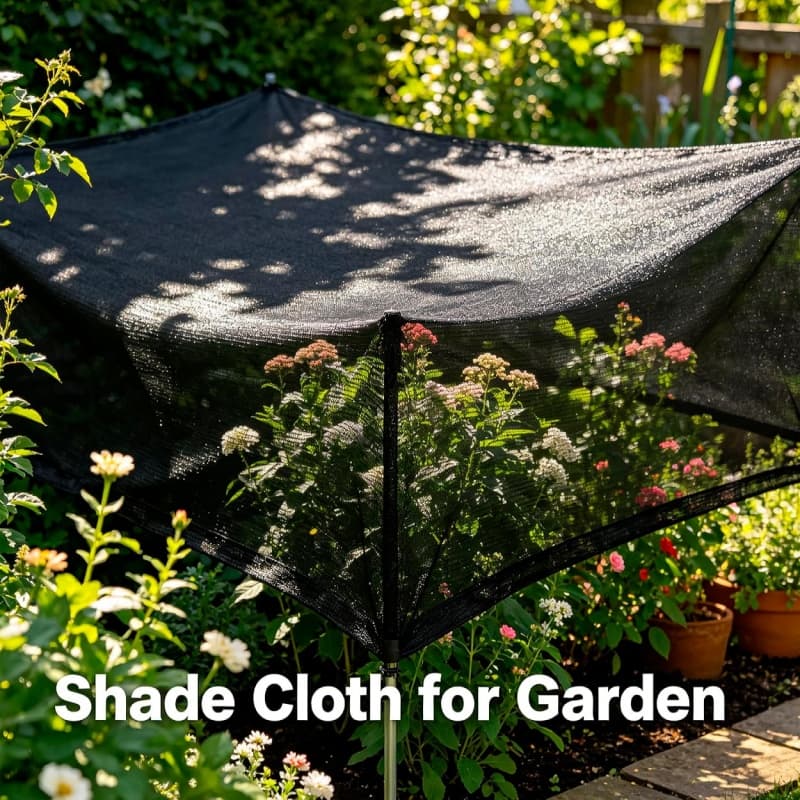
It does not need wires, controllers or fuel. By intercepting intense solar radiation before it hits your crops, livestock or greenhouse roof, this simple knitted mesh creates a milder microclimate and cuts how often your cooling gear turns on. In this post, we break down how black shade net saves energy, what measurable benefits you can expect, how to pick the right shade rate, and why it fits perfectly into sustainable, low-carbon farm planning.
1. Passive Cooling: How Black Shade Net Works (No Electricity Required)
A common quick assumption: black absorbs heat, so black shade net will make the space underneath hotter. This is only partially true and misses the core physics.
Black HDPE shade net absorbs most incoming infrared and UV radiation directly on the mesh surface, then releases much of that heat upward into open air, rather than letting solar radiation penetrate down to leaves, soil or animal skin. It blocks radiant heat load — the main driver of overheating in greenhouses and livestock shelters.
Quality UV-stabilized black shade net can reduce under-canopy temperature by 3–8°C in peak sunny hours, depending on shade percentage, installation height and airflow conditions. When the baseline temperature stays lower, your fans and cooling pads cycle less frequently. Less runtime = less kWh consumed.
Unlike solid tarps, knitted shade mesh stays breathable. Air moves freely through gaps, so trapped hot air does not build up underneath. That balance of light blockage + airflow is what makes it a far better passive cooling tool than plastic sheets or canvas.
2. Three Big Energy & Resource Savings on Your Farm
2.1 Lower electricity for greenhouse and livestock cooling
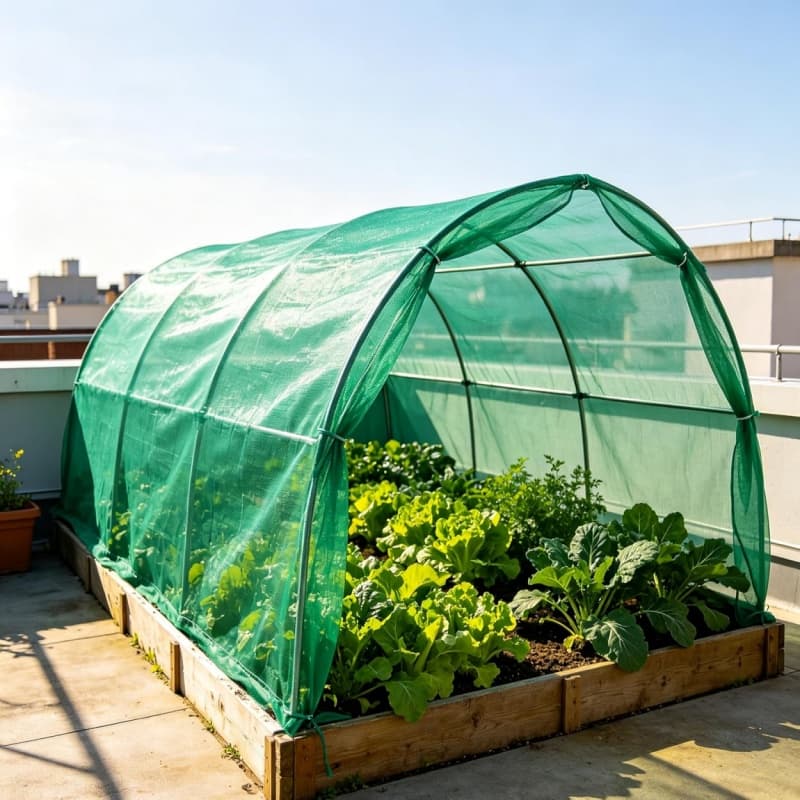
For commercial greenhouses, summer cooling loads drop noticeably once overhead black shade net is installed. Many growers report meaningful electricity savings during hot seasons, because cooling systems only activate when internal temperature crosses a set threshold. For poultry, dairy and cattle shelters, shade reduces heat stress; heat-stressed livestock breathe faster and barns require continuous ventilation to keep mortality and production stable.
Black shade net acts as your first line of thermal defence, reducing the burden on all powered climate gear.
2.2 Less irrigation, saving water + pumping energy
Direct sunlight speeds up evapotranspiration sharply. Crops under proper shading lose less moisture from leaves and topsoil. Field data shows correctly selected shade net can cut irrigation demand by 20–30% in high-light regions. Less water pumped from wells or reservoirs means less electricity used by water pumps. This is an often-overlooked secondary energy saving.
2.3 Reduced crop stress = fewer secondary inputs
Heat-stressed plants are weaker, more vulnerable to sunscald and disease. Consistent mild microclimates under black shade net reduce crop loss and cut back on extra sprays, emergency watering and replacement seedlings. While not pure “energy saving”, it stabilizes your whole farm operation and prevents costly emergency workloads.
3. Match Shade Rate to Your Operation for Maximum Efficiency
One size does not work. Choosing the wrong shade percentage wastes its cooling potential:
30%–40%: Leafy greens, herbs, young orchard trees. Gentle cooling, preserve most usable light. Good if you only want to reduce peak heat without slowing growth.
50%–60%: Tomato, pepper, nursery seedlings, most greenhouse vegetables. The most popular balance of cooling and photosynthesis.
70%–80%: Poultry houses, cattle shade areas, sensitive shade-loving crops. Strong radiant heat blockage for livestock heat stress control.
90%: Heavy shelter, temporary construction shading, sensitive propagation. Low light, maximum cooling.
Key note: install the net high enough above crops or animals. Leave air space between mesh and canopy. If you lay shade net directly on plants, trapped heat and poor airflow will erase the energy-saving benefits.
4. Why UV-Stabilized Virgin HDPE Matters for Long-Term Sustainability
Cheap shade net made from recycled low-grade HDPE loses UV additives quickly. It turns brittle, tears within 1–2 seasons, and you must buy, transport and reinstall replacement rolls repeatedly. That extra manufacturing and transport adds carbon emissions and defeats your low-cost, low-carbon goal.
Premium black shade net uses virgin HDPE mixed with UV stabilizers and anti-oxidants. It can deliver consistent shading performance for 4–6 years outdoors. Longer service life means fewer replacements, less plastic waste and better ROI. At end of service life, clean HDPE shade net is recyclable, fitting circular agriculture.
5. Where Else Zero-Power Black Shade Net Adds Value
It is not limited to crop rows:
Over parking areas for farm trucks and equipment
Temporary construction dust and heat shading
Outdoor packing zones and worker rest areas
Fish pond shading to slow algae bloom and reduce water temperature swing
All these spots benefit from reduced heat load, without running any cooling hardware.
FAQ
Q: Is black shade net hotter than white shade net underneath?
A: White net reflects sunlight; black absorbs it at the mesh layer. In very extreme hot-arid climates, reflective white or aluminized net can run slightly cooler directly under the fabric. But black shade net delivers more consistent shading uniformity, lower price and better dirt hiding performance, and remains the dominant choice for most general agricultural cooling projects.
Q: Can shade net fully replace fans and cooling pads?
A: No. It is a passive pre-cooling tool, not a full climate system. It reduces peak heat load and cuts operating hours, especially critical during midday heat spikes. Most successful setups combine overhead black shade net with natural ventilation and existing cooling systems.
Q: Will shade net block rain?
A: Knitted HDPE shade mesh is permeable. Rainwater passes through freely, avoiding ponding under the cover.
Conclusion
Sustainable farming is not always about expensive solar arrays or high-tech automation. Sometimes the most practical low-carbon upgrade is simple, low-tech hardware: black UV stabilized HDPE shade net.
It requires no power supply, blocks damaging solar radiation, eases the load on your cooling and irrigation systems, and supports healthier crops and livestock. When sourced with virgin HDPE and proper UV treatment, it delivers years of passive cooling, lower utility bills and a smaller farm carbon footprint.
If you are sourcing bulk black shade net with custom shade rates, sizes and reinforced eyelets for greenhouse, livestock or orchard projects, reach out to our team for specifications and wholesale pricing.
Read More


 IPv6 network supported





 English
 español