Good Quality vs. Poor Quality Shade Net: What’s the Difference?
Nov 19, 2026
Good Quality vs. Poor Quality Shade Net: What’s the Difference?
Shade nets may look similar at first, but their quality can vary greatly. The material, weight, knitting, UV protection, shade rate, and finishing all affect how well a net performs and how long it lasts. Choosing the right product can help protect crops, reduce replacement costs, and make outdoor spaces more comfortable.
1. Material and UV protection
A good quality shade net is usually made from durable polyethylene, often HDPE, with UV stabilizers added for outdoor use. These stabilizers help the net resist damage from long exposure to sunlight. This matters because a net without enough UV protection can become brittle, fade, and tear after repeated exposure to sun and heat.
A poor quality net may use lower-grade material or contain little UV protection. It may be cheaper to buy, but it can deteriorate quickly outdoors. The threads may become weak, and small holes can spread into larger tears. In areas with strong sunlight, this can mean replacing the net sooner than expected.
Advantage of a good net: It is better suited to long-term outdoor use and can maintain its performance over time.
Advantage of a low-cost net: It may have a lower purchase price and can be useful for short-term or temporary applications where long service life is not important.
2. Weight and construction
Shade nets are available in different weights, commonly measured in grams per square metre (GSM). Weight alone does not determine quality, but it can help buyers compare products when they are looking at nets with similar designs and materials. A suitable weight depends on the intended use, installation method, and local weather.
A good quality net usually has consistent knitting, even spacing, and secure edges. Its construction is designed to handle normal handling and installation without easily unraveling. Reinforced edges and well-finished seams can make it easier to tie down securely.
A poor quality net may have uneven knitting, loose threads, weak edges, or inconsistent thickness. These problems can make installation harder and increase the risk of damage during use. However, a lighter net may be easier to handle and may work for temporary shade over a small garden bed or short-term event.
Advantage of a good net: More consistent construction can make installation and everyday use more reliable.
Advantage of a lightweight, lower-cost net: It is easier to carry and may suit temporary or low-demand projects.
3. Shade rate and growing conditions
Shade rate describes how much sunlight the net blocks. Common options include approximately 30%, 50%, 70%, and 90%, though exact rates vary by product. The right choice depends on the crop, climate, season, and amount of natural light available.
A good quality shade net is more likely to provide a consistent shade rate across the roll, when produced and specified to an appropriate standard. This helps growers create a more predictable environment for plants. For example, leafy vegetables, seedlings, and some shade-loving plants may benefit from more protection than sun-loving crops. Tomatoes, peppers, and cucumbers may need a different balance depending on the season and local climate.
With a poor quality net, shade may be uneven if the knitting or density varies. The product label may also not accurately describe the actual shade rate. Too much shade can reduce the light plants need; too little may not provide enough relief from intense sun. Buyers should confirm the shade rate and select a product suited to their crop rather than assuming that a darker net always blocks more light.
Advantage of a good net: A clearly specified, consistent shade rate makes it easier to match the net to a particular growing need.
Advantage of a basic net: It can provide simple shade at a lower cost when precise light control is not essential.
4. Strength and weather resistance
A properly made shade net can help reduce direct sunlight and may offer some protection from wind, depending on its shade rate, installation, and the surrounding conditions. It should still be installed with suitable supports and secure fixings. No shade net should be assumed to withstand every storm or wind load.
Lower quality nets may be more likely to stretch, fray, or tear when pulled tightly or exposed to rough handling. Their edges can also fail if they are not reinforced. In mild conditions or for small areas, a basic net may still do the job, but it may need more frequent inspection and careful handling.
Advantage of a good net: Stronger construction can make it more dependable for regular use when installed correctly.
Advantage of a low-cost net: It can be a practical option when the covered area is small, the exposure is mild, or the net is easy to replace.
5. Color, appearance, and application
Shade nets are commonly available in colors such as black and green, with other colors available from some suppliers. Color can affect appearance and, depending on the product design, may influence how the net is used. For instance, green may blend into a garden, while black is common in agricultural and nursery applications. Buyers should compare the net’s specifications rather than choosing by color alone.
A good quality net usually has more even coloring and a neater finish, which can be useful for customer-facing areas such as gardens, patios, nurseries, and commercial greenhouses. A budget net may have less uniform color or a simpler finish, but this may not matter for a temporary structure or a location where appearance is unimportant.
6. Cost over time
The purchase price is only one part of the total cost. A cheaper net can be a good value if it is being used briefly or in a low-demand setting. But if it needs frequent replacement, the cost of buying, installing, and disposing of multiple nets can add up.
A higher quality net may cost more at the beginning. For regular agricultural use, greenhouse shading, plant nurseries, or outdoor installations, its more durable construction and clearer specifications may make it a better long-term choice. The best option depends on how long the net needs to last and how demanding the conditions are.
How to choose
Before buying, check the material, GSM, shade rate, UV protection, dimensions, color, edge reinforcement, and intended use. Ask the supplier how the shade rate and weight are measured, and request product details for comparison. Also consider the crops, local weather, installation method, and whether the net will be temporary or used season after season.
Good quality shade nets offer advantages in durability, consistency, and reliable performance. Lower-cost nets can still be useful when the application is temporary, the conditions are mild, or the budget is limited. The right choice is the one that matches the job.
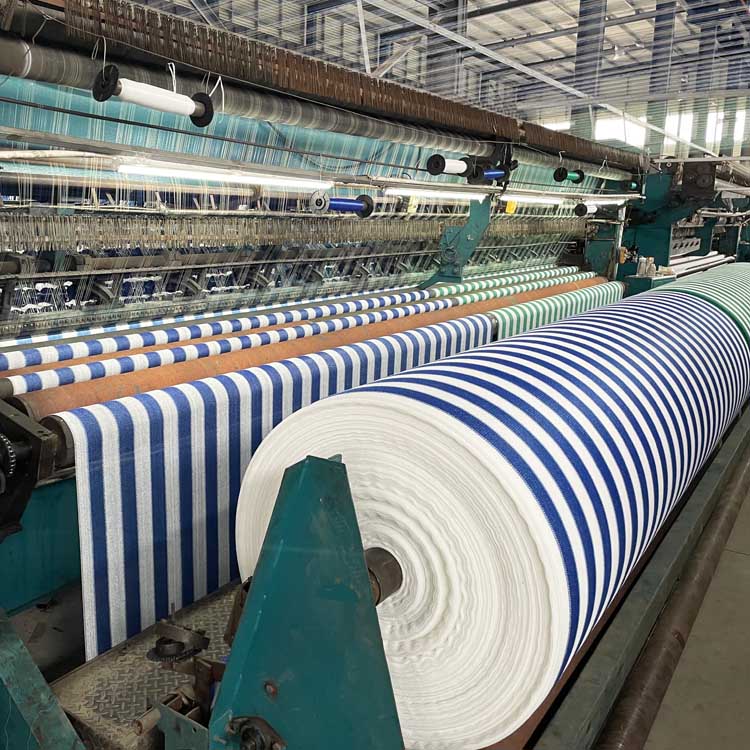
Anhui Heshun Import and Export Co., Ltd. specializes in shade net production and offers a range of options for agriculture, greenhouses, gardens, and outdoor use. With professional equipment, competitive prices, and attentive service, the company can help buyers select a shade net suited to their requirements.
Read More


 IPv6 network supported





 English
 español