Common Mistakes When Ordering Custom Shade Mesh Tarps In Bulk
Nov 25, 2026
Custom shade mesh tarps bring huge flexibility for farms, contractors, landscape companies and wholesale distributors. You get panels cut, stitched and grommeted exactly for your project, saving on-site cutting and finishing work. But every year, we see bulk buyers run into avoidable problems that delay shipments, blow budgets or result in tarps that fail quickly outdoors.
Most issues do not come from poor manufacturing. They start with unclear specifications and overlooked site conditions before production even begins. Below are the five most frequent mistakes, plus actionable rules to follow for your next bulk order.
Mistake 1: Picking the Wrong Shade Rate
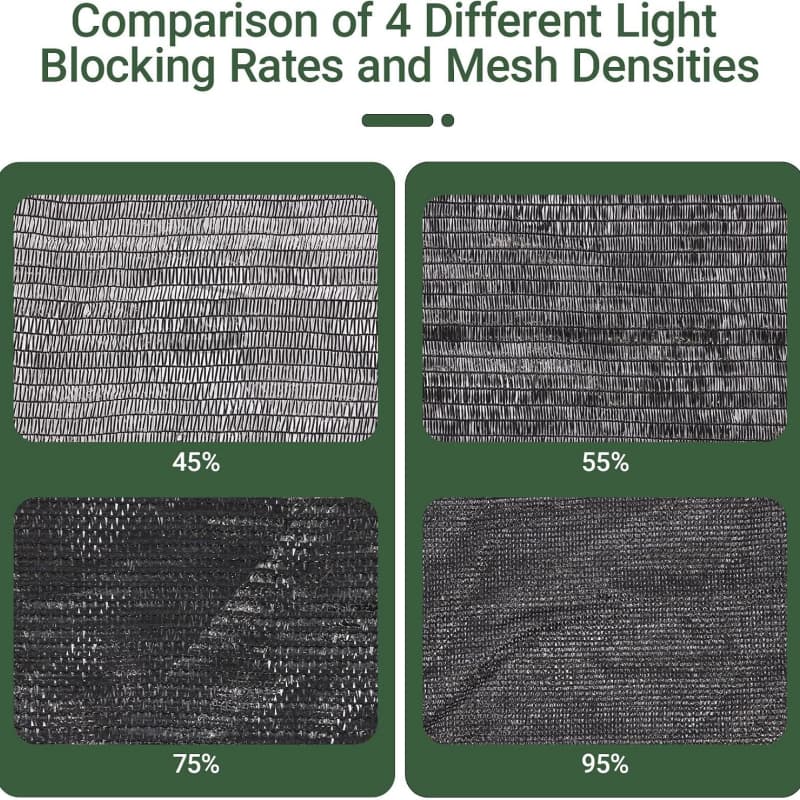
Shade rate is the percentage of sunlight blocked by the mesh, ranging from 30% up to 95%. It is the most fundamental specification — yet many buyers guess or copy a rate from a different project.
A 30%–50% shade rate works for light-loving crops, patio shade and mild cooling. Too high, and plants become stunted from insufficient light.
60%–75% is the sweet spot for most seedlings, poultry shelters and general farm shading.
80%–95% suits privacy screening, heavy sun zones, parking covers and heat-sensitive livestock.
A common misunderstanding: higher shade rate equals better heat reduction. Denser mesh also carries larger wind load. If you order 90% shade for an open, windy farm, the panel will catch more wind force and tear easier.
The fix: Match shade rate to your crop, animal or usage, not just “as much shade as possible”. Send us your planting plan or shelter type, and we can recommend the correct percentage.
Mistake 2: Ordering Exact Frame Size Without Tension Allowance
This is one of the most expensive hidden mistakes. Buyers measure the distance between posts and order tarps to that exact dimension. Once delivered, the panel is too tight to install, or it stretches unevenly and rips at grommets.
HDPE mesh stretches slightly under tension. You need extra margin for pulling it taut and securing the edges. If you skip this allowance, you have two bad outcomes: you cannot fasten it properly, or you over-stretch the mesh and shorten its service life.
The fix: Reserve 3%–5% extra length and width for tensioning. For large panels over 6m, we recommend 5% allowance. Clearly state on your order whether the dimensions you provide are “finished cut size” or “span between posts”.
Mistake 3: Poor Grommet Spacing
Grommets are your main connection points, but many buyers simply ask for “grommets on the edge” without defining spacing.
Grommets spaced too far apart: fabric flutters heavily in wind, stress concentrates between holes, edges tear and stitching fails.
Grommets spaced too close: you pay extra for more hardware and stitching, and installation becomes slow with too many tie points.
Standard safe spacing is 0.5m to 1m for most farm and patio panels. For high-wind areas, tighten spacing to 0.4–0.6m. For low-wind permanent greenhouse shading, 1m spacing is acceptable. Corners always need reinforced double grommets or patch reinforcement.
The fix: Tell your supplier your wind zone and panel size. We will suggest grommet layout and add corner reinforcement for exposed sites.
Mistake 4: Choosing Color Only Based On Appearance
Black, green, beige, grey are our most popular color options. Color is not just aesthetics — it affects heat absorption, visible light transmission and fade performance.
Black mesh absorbs heat, delivers strong sun block and is widely used for farms. But in extremely hot desert zones, black can transfer more radiant heat underneath.
Beige and light grey reflect more heat, ideal for patios, swimming pools and residential shading.
Dark green blends well with orchards and nursery landscapes, but requires higher UV stabilizer loading to avoid fast fading.
A frequent error: ordering light-colored mesh for high UV regions without confirming UV additive dosage. Same shade rate, different colors will have different fade timelines if the masterbatch is not adjusted.
The fix: Tell us your location and whether heat reflection or visual blending is your priority. We can advise the most cost-effective color for your climate.
Mistake 5: Ignoring Local UV Levels and Wind Conditions
A shade mesh tarp that lasts 4–5 years in mild coastal weather may only survive 2 years in strong desert UV or open plains with frequent gusts. Many buyers use the same spec for all locations.
UV intensity determines how fast HDPE becomes brittle. Wind load determines required edge strength, grommet spacing and overall tear resistance.
High UV zones: specify virgin HDPE with higher UV masterbatch, not recycled material.
High wind zones: choose tighter grommet spacing, wider reinforced binding and heavier GSM mesh.
Sheltered backyard pergola: standard specs are sufficient, no need to overpay for heavy-duty grade.
Suppliers cannot read your site conditions automatically. If you leave out climate information, you may receive a standard tarp that is under-engineered for your environment.
The fix: Share your project location, average wind speed and expected service life target when sending an inquiry. We adjust material formula and construction accordingly.
Bonus: One More Overlooked Mistake — Skipping Pre-production Samples
For large bulk orders, never confirm mass production without approving a sample. Shade rate display on screen, color tone and grommet reinforcement can look different from your expectation. A small sample check avoids returning a whole container of mis-specified panels.
Final Bulk Order Checklist
Before you submit your custom shade mesh tarp order, double-check these items:
1.Shade rate matched to application
2.Dimensions include tension allowance
3.Grommet spacing and corner reinforcement defined
4.Color selected with heat absorption and fade resistance in mind
5.Local UV and wind conditions shared with supplier
6.Sample approval before mass production
We supply custom UV-stabilized shade mesh tarps in bulk, with adjustable shade rates, sizes, colors and grommet layouts. Our team reviews your specifications and flags these risks before production. Send your project details for a wholesale quote.
Read More


 IPv6 network supported





 English
 español