How to Pick the Right GSM for PP Ground Cover
Nov 24, 2026
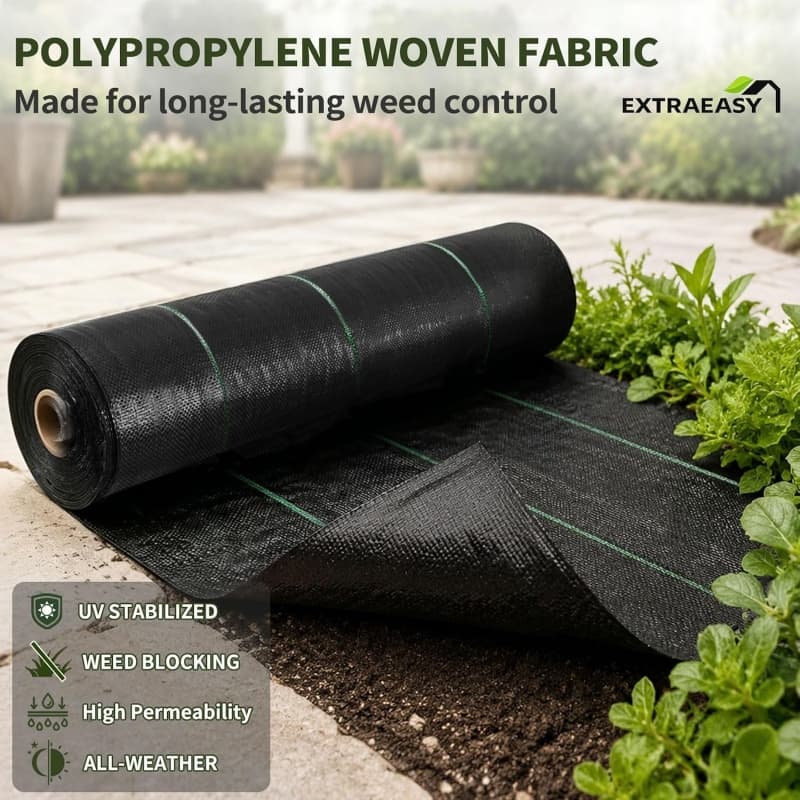
Many commercial growers, landscape contractors and bulk buyers make one costly mistake when ordering PP ground cover: they only compare price per roll and ignore GSM. Some choose an ultra-light cheap mat, only to find it tears easily during laying and breaks down within one season. Others overbuy heavy 150gsm+ fabric for simple greenhouse aisles and waste budget they could have saved elsewhere.
GSM stands for grams per square meter. For woven polypropylene ground cover, GSM directly reflects yarn density, tensile strength, puncture resistance and expected service life. But here is a critical truth: higher GSM is NOT always better. If the weave is packed too tight, water infiltration slows down and soil moisture management suffers. Your goal is matching GSM to your site conditions, traffic level, expected lifespan and crop type.
This guide breaks down every common GSM grade for woven PP ground cover, so you can select the right specification without guesswork.
What GSM Actually Measures for Woven PP Ground Cover
GSM is the weight of one square meter of fabric. For woven weed barrier, it is tied closely to:
Yarn denier and weaving density
Tear strength, puncture resistance and stretch performance
Handling ease during installation
Permeability balance (water & air flow)
Raw material consumption and final unit price
A common misconception: GSM alone tells the full quality story. Two rolls marked 100gsm can perform very differently. One uses virgin PP yarn with stable weaving; another mixes recycled thin yarn and hits the weight by packing yarn too tight, killing permeability. Always pair GSM checks with virgin material confirmation and UV additive specifications.
GSM Grade Breakdown & Recommended Applications
60–80 GSM / Light Duty PP Ground Cover
Best for: Short-cycle vegetable beds, temporary greenhouse inner aisles, seasonal nursery beds, low-foot-traffic annual planting projects Pros: Lightweight, flexible, fast to cut and lay, lowest material cost, excellent water penetration Limitations: Low puncture resistance. Not suitable for gravel overlay, wheeled trolley traffic or multi-year full sun exposure. Sharp stones, roots and rough backfill can tear it quickly. Suggestion: Pair with non-UV formula for indoor greenhouse use to cut cost. Not recommended for permanent orchard rows.
90–120 GSM /All-Round Medium Duty (Our Bestseller)
Best for: Orchards, vineyards, berry tunnels, commercial nursery container beds, general landscape planting beds, most farm weed control projects Pros: Balanced tensile strength, stable permeability, easy to handle, compatible with UV stabilizer for 3–5 years outdoor service life. This is the default pick when buyers have no clear GSM preference. The woven marking lines stay intact through repeated seasonal maintenance. Why most cooperatives and medium-sized farms choose this range: It resists minor foot traffic, survives regular mowing and trimming nearby, and still lets rain and irrigation water reach root zones freely. Recommended sweet spot: 100gsm / 120gsm for permanent fruit tree rows.
130–200 GSM /Heavy Duty PP Ground Cover
Best for: Gravel pathways, hardscape underlay, nursery trolley routes, solar farm ground covering, sites with light machinery movement, high-wind exposed slopes, long-term commercial landscape projects Pros: Outstanding puncture and tear resistance, withstands heavy gravel compaction and frequent walking or wheel passage. UV treated heavy-duty versions can deliver extended outdoor service life in strong UV regions. Limitations: Higher cost, slightly slower water infiltration compared to lighter grades. It is overkill for simple orchard rows with no traffic. Suggestion: 130–150gsm is enough for most heavy commercial jobs; 180–200gsm is reserved for extreme mechanical wear.
Quick Reference Selection Table
GSM Range
Duty Level
Typical Application
Key Notes
60–80gsm
Light
Seasonal veggies, temporary greenhouse beds
Low traffic, short-term use
90–120gsm
Medium
Orchard, vineyard, nursery, landscape beds
Most popular, balanced performance
130–200gsm
Heavy
Gravel paths, trolley lanes, solar sites
Anti-puncture, heavy traffic
Four Factors You Must Consider Before Finalizing GSM
1. Traffic & Mechanical Stress
Ask yourself: Will workers, trolleys, mowers or light equipment roll over the fabric regularly?
No traffic: 60–90gsm works fine
Occasional foot traffic: 90–120gsm
Frequent wheeled traffic or gravel covering: 130gsm+
2. Expected Service Life & UV Exposure
GSM and UV treatment work together. A 100gsm UV-stabilized mat outlasts a 140gsm non-UV mat under direct sunlight.
Indoor / shaded greenhouse: UV option optional, you can select lower GSM
Open field, tropical, high UV climate: Prioritize UV stabilized formula first, then choose GSM
3. Soil & Installation Condition
Rocky soil with sharp fragments needs higher puncture resistance. If you plan to cover the ground cover with bark mulch or fine gravel, medium GSM often works well; coarse sharp gravel requires heavy duty grade.
4. Permeability Requirement
Higher GSM usually means denser weave. For water-sensitive crops like berries, avoid unnecessarily heavy GSM which may slow drainage after heavy rain.
Common GSM Buying Pitfalls to Avoid
1.Chasing the lowest GSM for cost savings Cheap light fabric often leads to rework, extra labor and replacement cost within one growing season. The lowest upfront price rarely equals the lowest total project cost.
2.Assuming higher GSM always blocks weeds better Weed suppression mainly relies on light blocking, not weight. A properly woven 90gsm black ground cover blocks sunlight just as effectively as 150gsm.
3.Ignoring GSM consistency Some suppliers sell inconsistent fabric: labeled 100gsm but actual weight fluctuates widely roll to roll. Verify GSM on samples before bulk orders.
4.Separating GSM from UV specification GSM defines physical strength; UV additive defines anti-aging performance. They are two independent parameters.
FAQ
Q: Is 100gsm PP ground cover good for citrus orchards?
A: Yes, 100–120gsm UV stabilized woven ground cover is the standard choice for citrus and fruit orchards with only foot traffic.
Q: What GSM should I use under gravel paths?
A: 130gsm or higher heavy-duty PP ground cover to resist punctures from sharp gravel stones.
Q: Can heavy 150gsm ground cover still drain well?
A: Yes, woven construction keeps permeability. Drainage rate will be slightly lower than 80gsm, but still far better than solid plastic mulch film.
Q: Do you offer custom GSM for special projects?
A: We support custom woven PP ground cover from 60gsm up to 200gsm, with optional UV treatment, planting lines, pre-punched holes and custom roll sizes. Send your project details for a sample and specification recommendation.
Wrap-up
GSM selection is a balance of durability, permeability, service life and budget. There is no universal “best” GSM for all PP ground cover applications. Match light GSM for temporary low-stress projects, medium 90–120gsm for most commercial farming and landscaping, and heavy 130gsm+ only for high-traffic and rough installation conditions.
If you are still unsure which GSM fits your farm or landscape project, contact our team with your location, crop type, traffic condition and expected service life. We will recommend the most cost-effective woven PP ground cover specification and arrange samples for testing.
Read More


 IPv6 network supported





 English
 español