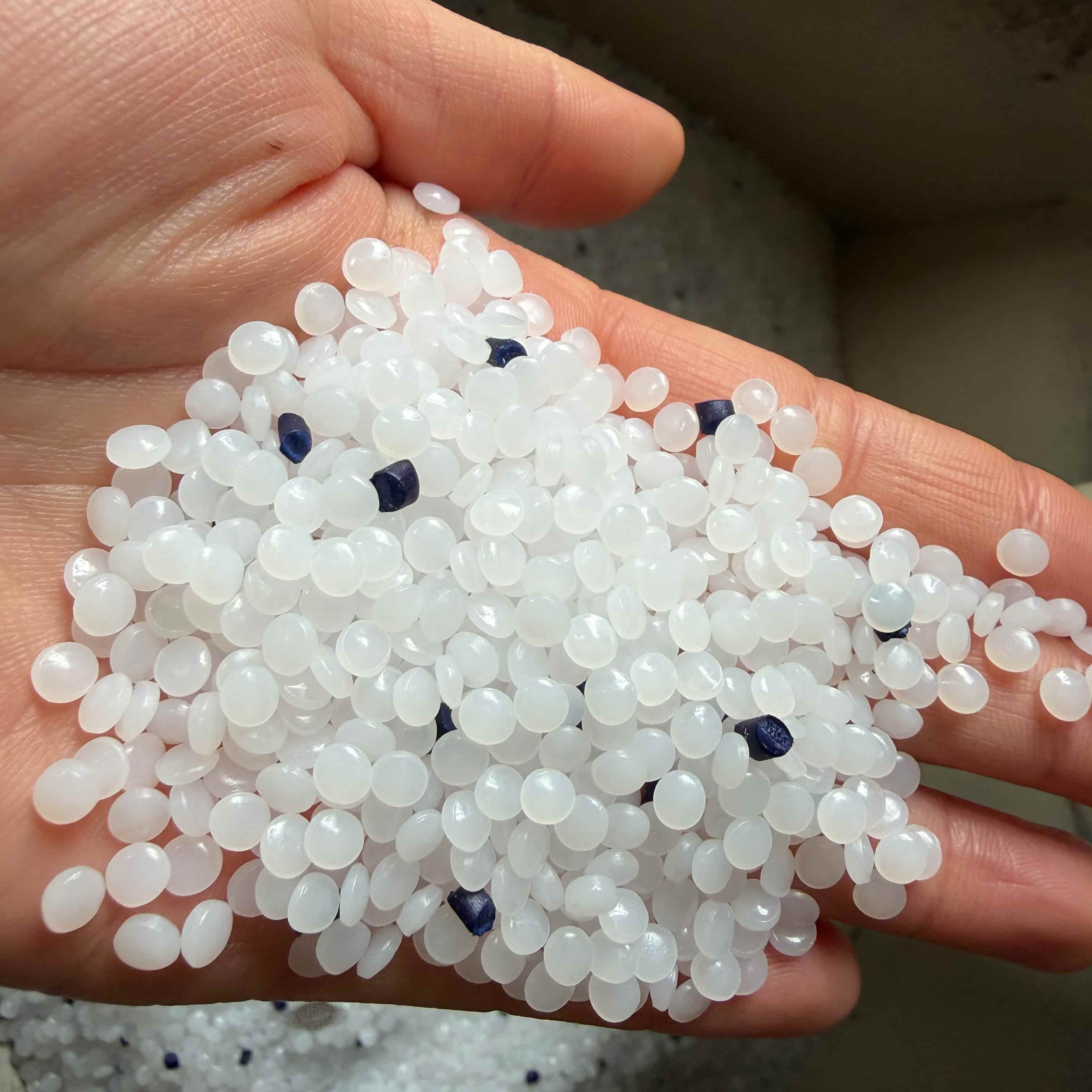
Why choose HDPE as raw material?
Feb 05, 2026
HDPE for Shade Net Manufacturing – A Sustainable and High-Performance Material
As a shade net producer, selecting the right raw material is critical for product quality, durability, and environmental responsibility. High-Density Polyethylene (HDPE) is the preferred choice for high-performance shade nets due to its strength, UV resistance, and eco-friendly advantages. Here’s why HDPE is ideal for shade net production:
1. Superior Material Properties for Shade Nets
High Tensile Strength: HDPE fibers provide excellent tear and wind resistance, ensuring long-lasting shade nets for agriculture, construction, and outdoor use.
UV Stabilization: HDPE can be treated with UV inhibitors, preventing degradation from prolonged sun exposure (critical for 3–5+ year lifespan).
Lightweight & Flexible: Easy to install and transport, reducing logistical costs compared to heavier alternatives.
2. Environmental Benefits – A Responsible Choice
✅ Recyclable Material: HDPE shade nets can be recycled , reducing plastic waste. Post-consumer recycled HDPE can be used in new nets. ✅ Reduced Carbon Footprint: HDPE production consumes less energy than PVC or other plastics, lowering CO₂ emissions. ✅ Non-Toxic & Safe: Unlike PVC, HDPE does not release harmful chlorine or dioxins when exposed to heat or incineration. ✅ Long Service Life: Durable HDPE shade nets reduce replacement frequency, minimizing waste generation.
3. Cost-Effectiveness & Market Demand
Lower Production Costs: HDPE’s efficient extrusion process makes it more affordable than alternatives like polyester-coated PVC.
Growing Demand for Sustainable Solutions: Eco-conscious buyers (e.g., organic farms, green building projects) prefer HDPE over non-recyclable materials.
Customizable Additives: HDPE can be blended with fire retardants, anti-dust coatings, or cooling pigments for specialized applications.
4. Applications of HDPE Shade Nets
✔ Agriculture: Protects crops from excessive sun while allowing airflow (30%–90% shading options). ✔ Construction: Used as safety netting, debris barriers, and temporary roofing. ✔ Livestock & Aquaculture: Provides shade for animals and fish farms. ✔ Residential & Commercial: Balcony shading, parking covers, and garden nets.
5. Future Trends & Sustainability Commitments
Bio-Based HDPE: Some manufacturers (e.g., Braskem) now offer sugarcane-derived HDPE, further reducing environmental impact.
Enhanced Recycling Programs: Partnerships with waste collectors ensure end-of-life shade nets are repurposed into new products.
Circular Economy Focus: Brands promoting take-back schemes for old nets to boost recycling rates.
Why Choose HDPE for Your Shade Nets?
As a shade net manufacturer, HDPE delivers the perfect balance of performance, sustainability, and cost-efficiency.
Read More


 IPv6 network supported




 English
 español