Shade Net vs Shade Sail: Which One Is Better for Your Greenhouse & Patio?
Nov 23, 2026
Introduction
When planning outdoor shading for greenhouses, crop nurseries, patios, pergolas and backyard leisure zones, two popular options often come up: shade net and shade sail. Many buyers wonder which one is superior.
The honest answer: neither is universally “better”. They are engineered for different priorities. Shade net shines for functional agricultural ventilation and flexible large-area coverage, while shade sail delivers tailored aesthetic shading for living spaces. We supply both products, and this guide aims to help you match the right shading type to your project goals, climate and budget.
What Is Shade Net?
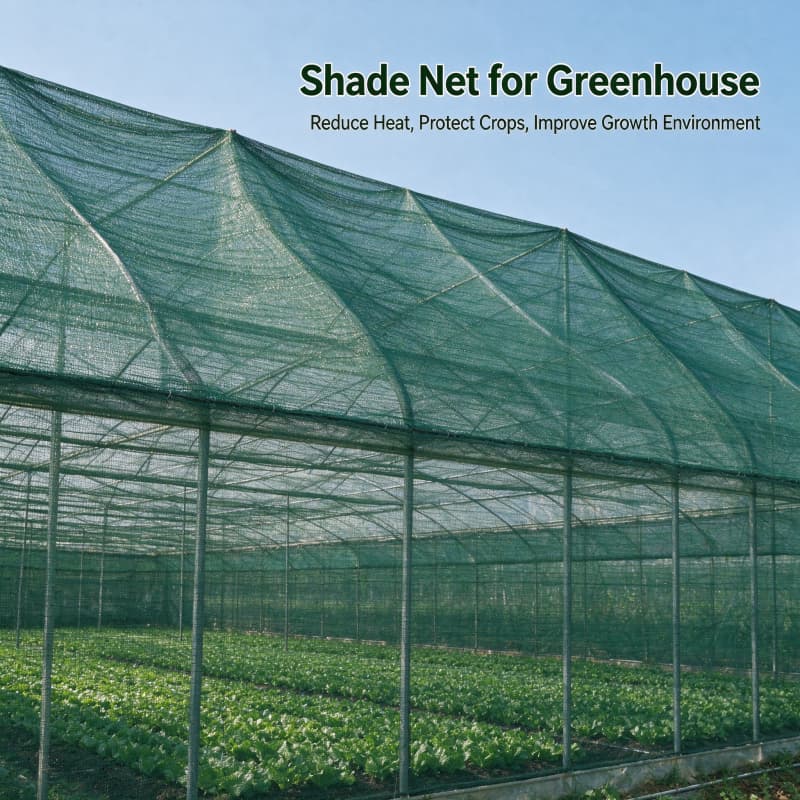
Shade net is a knitted HDPE mesh material blended with UV stabilizer masterbatch. It comes in continuous rolls with customizable shade rates ranging from 30% to 90%. It features an open mesh structure, reinforced stitched edges, and optional pre-punched grommets for fastening. It is lightweight, easy to cut on-site, and widely adopted in agriculture, horticulture, livestock shelters and large temporary shading projects.
What Is Shade Sail?
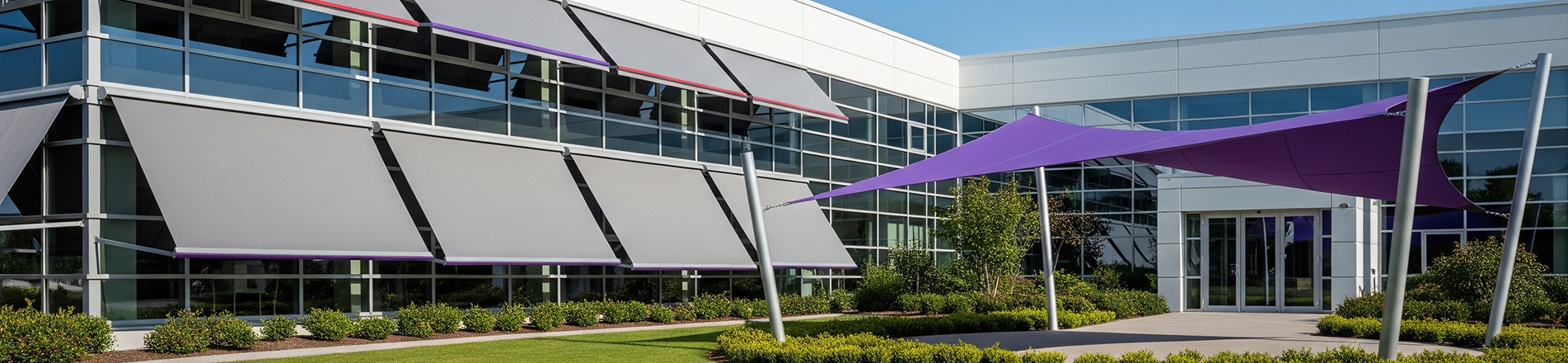
Shade sail is a pre-cut, tensioned shading cover, normally made from heavy-duty UV-resistant HDPE fabric or coated polyester. Most are finished into fixed geometric shapes such as triangles, squares and rectangles, with reinforced seams and heavy-duty metal eyelets along every edge. Designed to be pulled tight between solid anchor points, it creates a neat, sleek overhead canopy for patios, swimming pools, decks and commercial outdoor seating areas. Some variants are waterproof for all-weather leisure use.
Side-by-Side Objective Comparison Table
Feature
Shade Net
Shade Sail
Structure
Open knitted mesh
Tight woven or coated solid fabric panel
Air & Rain Permeability
Excellent airflow; rain passes freely through mesh
Breathable HDPE sails allow limited airflow; waterproof versions block rainwater
Shade Rate Control
Fully selectable: 30%–90% to match plant needs
Fixed shade factor per finished sail, usually 85%–95%
Aesthetic Style
Practical, functional look; simple industrial/garden style
Clean, modern architectural look; great for landscape decoration
Installation Flexibility
Highly flexible. Can drape, wrap, cover irregular frames, cut to any size on site
Requires fixed anchor points and precise tensioning; shape is prefabricated
Weight & Handling
Ultra-lightweight, easy to roll up, remove and store seasonally
Heavier and stiffer; stays mounted long-term in most cases
Typical Application
Greenhouses, seedlings, orchards, poultry runs, farm crop shading
Patio, pergola, poolside, resort outdoor area, residential backyard
Cost for Large Coverage
Cost-effective for big continuous areas
Higher unit cost, ideal for defined, shaped shaded zones
Customization
Custom width rolls, cut-to-size, optional grommet edges
Custom shapes and colors available, subject to MOQ
Core Advantages of Shade Net
Fine-tunable shade rate is its biggest strength. Farmers can select 50% shade for vegetables, 70% for delicate seedlings, and 30% for mature fruit trees to match plant light requirements exactly.
Outstanding air permeability. Hot air moves through the mesh, preventing trapped heat buildup inside greenhouses or animal shelters. It lowers heat stress without cutting off natural ventilation.
Unmatched flexibility. You can drape it over arched hoops, stretch it over uneven or large planting areas, trim excess material on-site, and take it down quickly after growing seasons.
Budget-friendly for large farm coverage. Roll packing supports continuous coverage over acres of orchards or nursery beds.
Core Advantages of Shade Sail
Premium visual effect. Its smooth tensioned silhouette upgrades patio and pool areas, matching modern outdoor landscape design. It is a popular pick for homeowners, cafes and resorts.
Stable finished structure. When properly tensioned on sturdy posts or walls, it holds shape well, reduces flapping in wind and offers consistent overhead shading for human activity zones.
Optional waterproof function. Coated shade sails create dry shelter for dining areas, offering both sun and light rain protection, a feature standard mesh shade net cannot provide.
Consistent high UV block. Most finished sails deliver 90%+ UV protection, reliable for protecting people, outdoor furniture and flooring from harsh sun damage.
When to Choose Shade Net
Pick shade net if any of these match your project:
You run a greenhouse, nursery, or orchard and need adjustable shade levels for crops
Ventilation is your top priority, and you want to avoid heat trapping under the cover
You need to cover an irregular, large or temporary area and may need to cut the material
You will install and remove the shade seasonally
You are shading livestock, chicken runs or farm storage zones
When to Choose Shade Sail
Pick shade sail if any of these match your project:
Your main space is a patio, deck, swimming pool or outdoor leisure area for people
Visual style and neat landscape appearance are important to you
You want a fixed, long-term overhead shade structure with defined boundaries
You hope to get rain protection and sun protection together (choose waterproof shade sail)
You have solid anchor points ready for tension mounting
Common Misconceptions Clarified
“Shade sail is always better quality.” Not exactly. Both can be manufactured from UV-stabilized virgin HDPE for long outdoor life. The difference lies in structure purpose, not raw material quality. A well-made shade net can serve 3–5 years in the field, same as a properly installed HDPE shade sail.
“Shade net is only for farms.” Shade net can also work for pergolas and backyards. It is simply less decorative than a tensioned sail and suits buyers who prioritize function over appearance.
“Shade sail can be used for greenhouses.” It is not the first recommendation. Its fixed high shade rate and relatively lower airflow may create excess heat and limit light control for growing plants.
Quick Decision Checklist
Ask yourself these 3 simple questions:
1.Who or what are you shading? Plants & livestock → lean toward shade net; People & outdoor living space → lean toward shade sail.
2.Do you need adjustable shade percentage and maximum airflow? → Shade net
3.Do you want a stylish fixed canopy or rain protection? → Shade sail
Final Thought
There is no one-size-fits-all shading solution. Many customers even combine both: shade net for crop zones in the garden, and a matching shade sail for the adjacent patio seating area.
Whether you need UV stabilized HDPE shade net rolls with customized shade rates or heavy-duty shade sails in multiple shapes and colors, we have both series ready for wholesale and custom orders. Send us your project details, and our team can help you select the right shading solution.
FAQ Section
Q1: Can I use shade net as a shade sail?
A: You can fasten shade net between anchor points, but it will not form the same taut, neat sail shape. It is designed as a flexible mesh cover rather than a tensioned architectural canopy.
Q2: Can shade sail be cut to smaller size on site?
A: We do not recommend cutting finished shade sails. Cutting will break the reinforced edge and eyelet system and cause fraying. Order pre-sized sails instead.
Q3: Are both products UV resistant?
A: Yes. Our shade net uses UV masterbatch blended HDPE fibre. Our shade sails are made of UV stabilized HDPE or coated polyester fabric for long outdoor exposure.
Q4: Can I get the same dark green color for both shade net and shade sail?
A: Yes. We offer coordinated color options across both product lines if you want a unified look for your garden and patio.
Read More


 IPv6 network supported





 English
 español