leave a message
If you are interested in our products and want to know more details,please leave a message here,we will reply you as soon as we can.

What is a shade net? How do you choose the right shading rate, and what factors influence it?
1:What is a shade net?
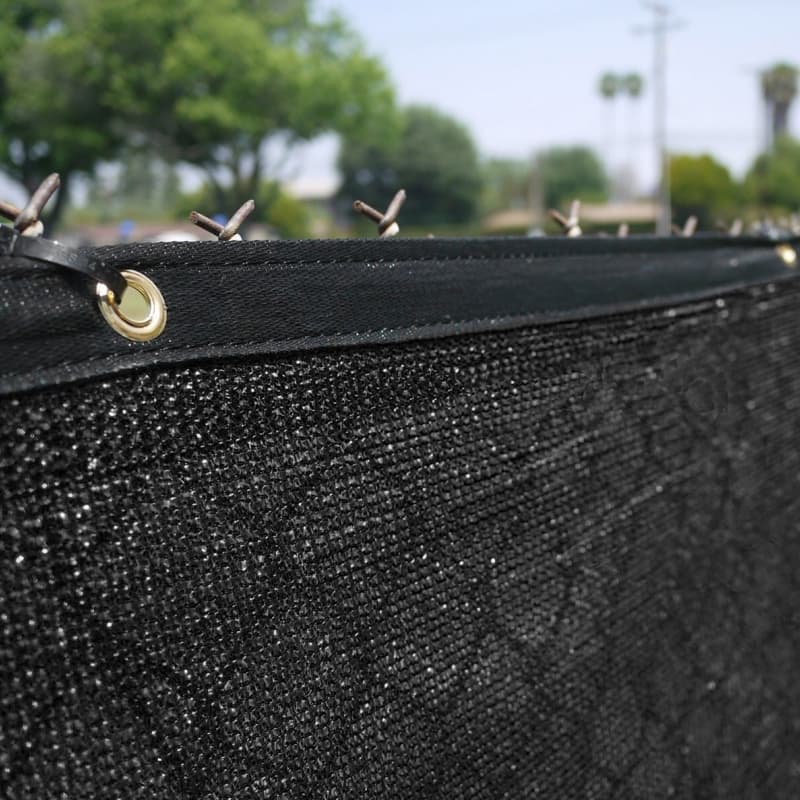
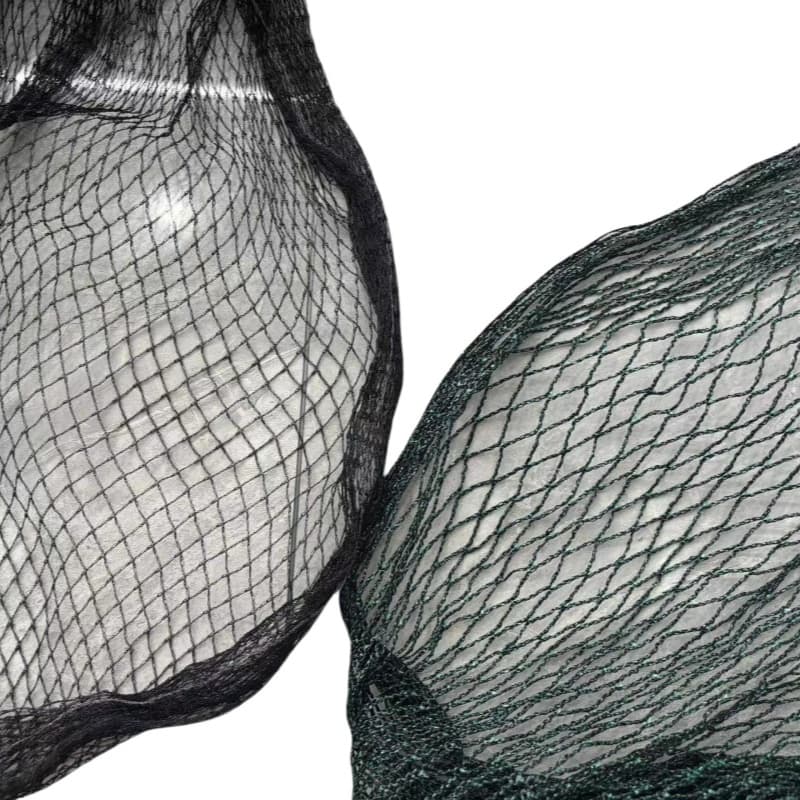
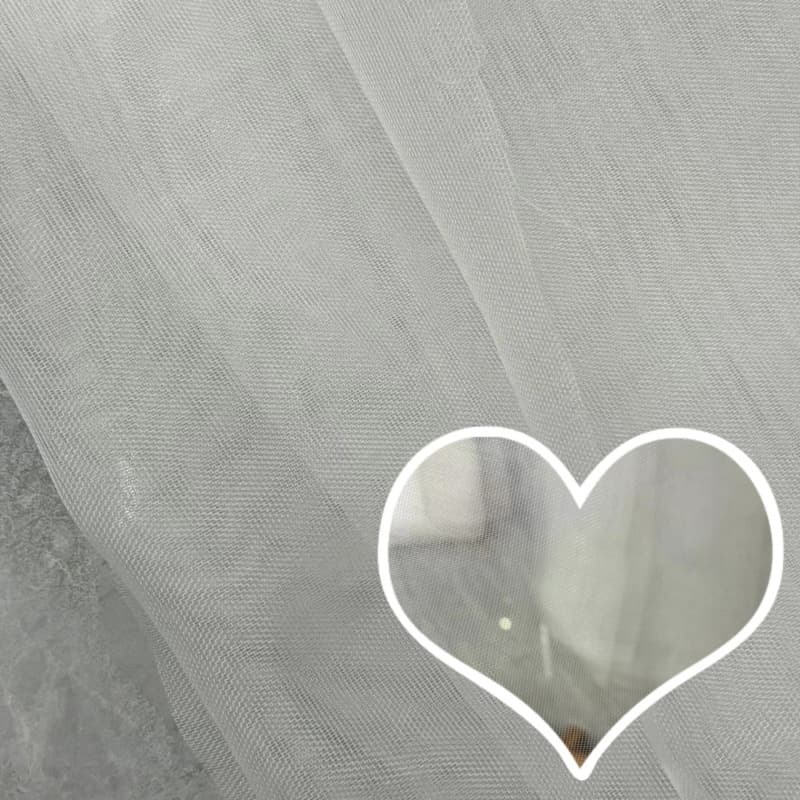
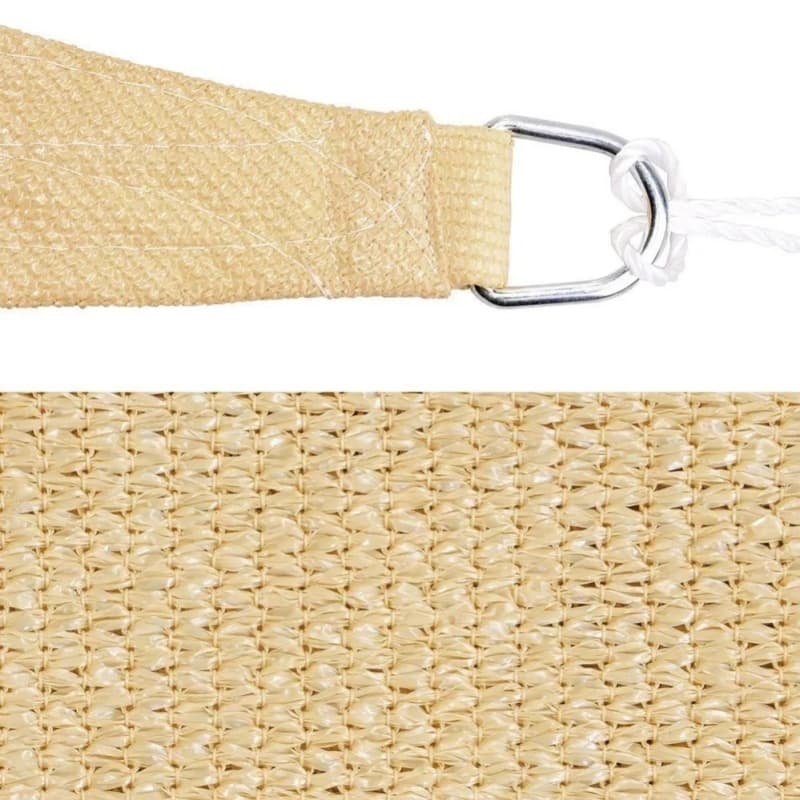
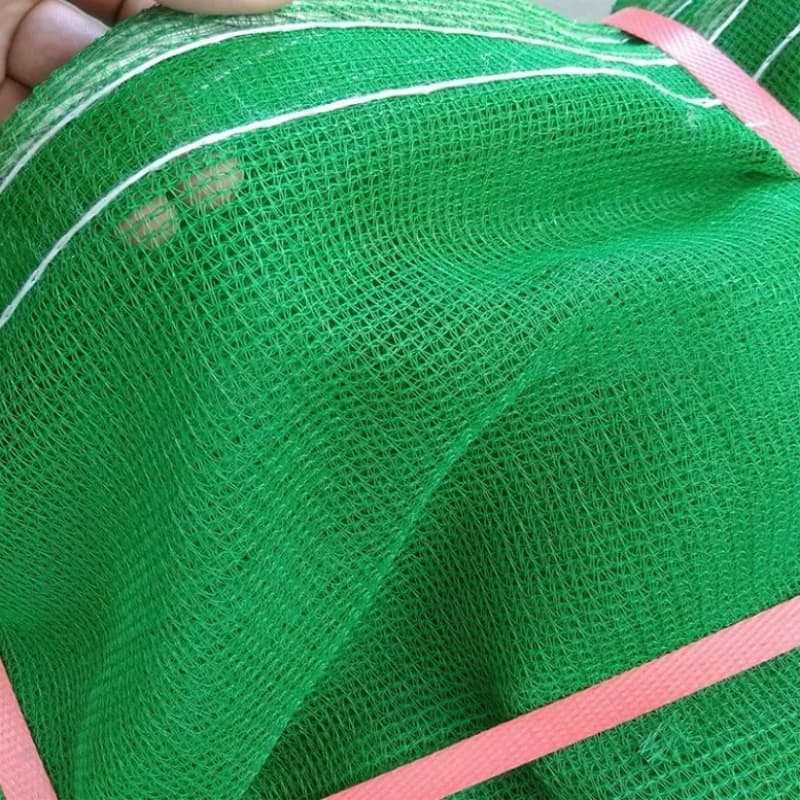
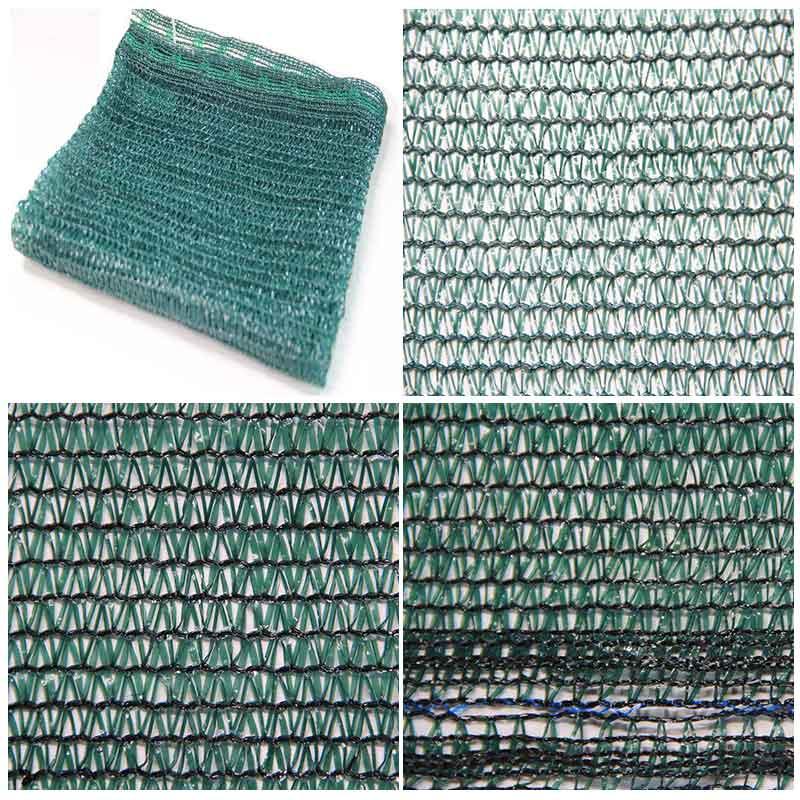
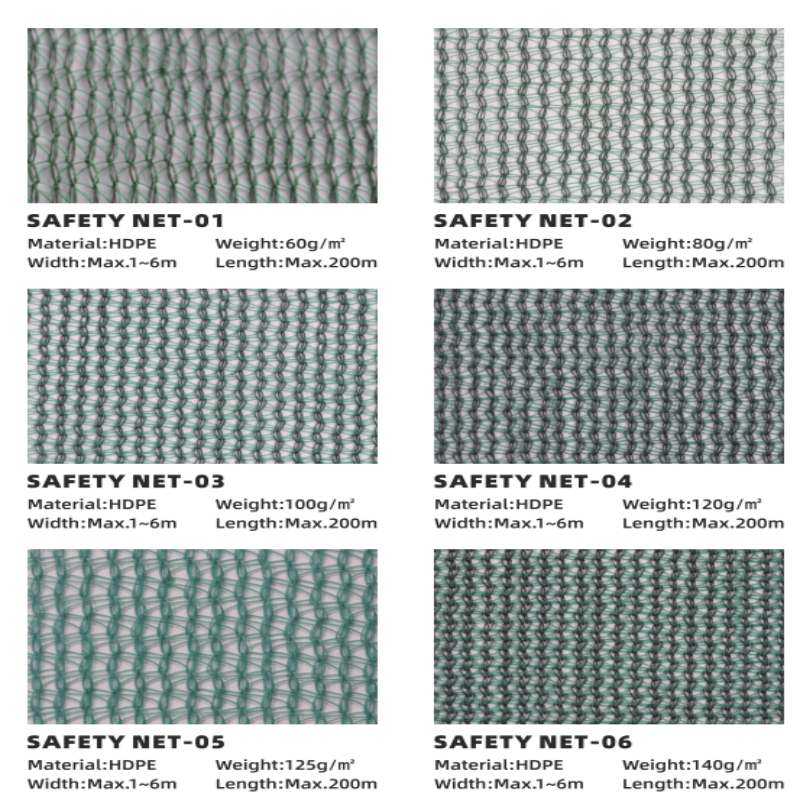
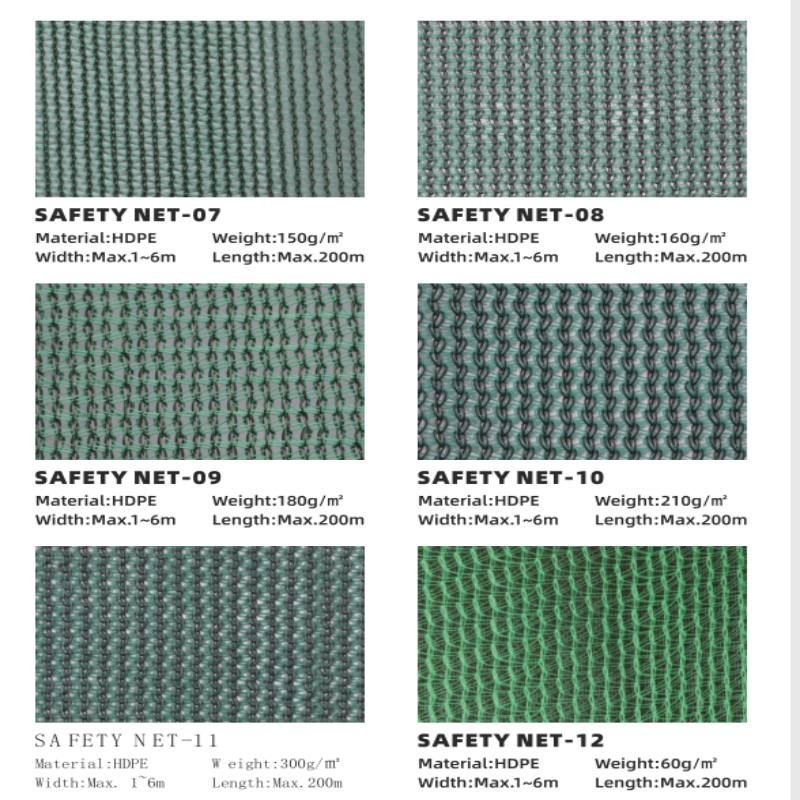
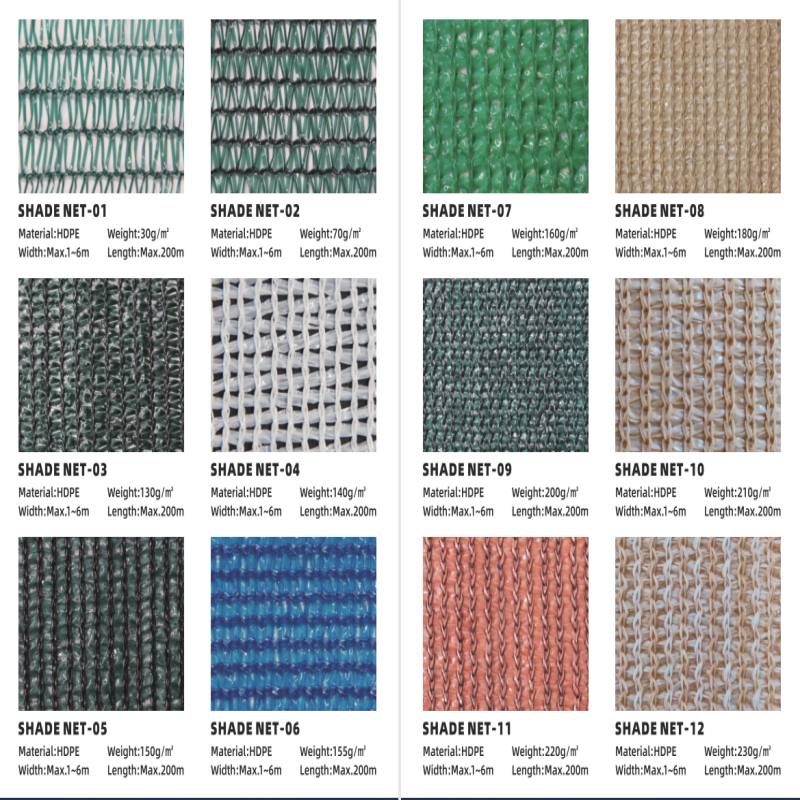
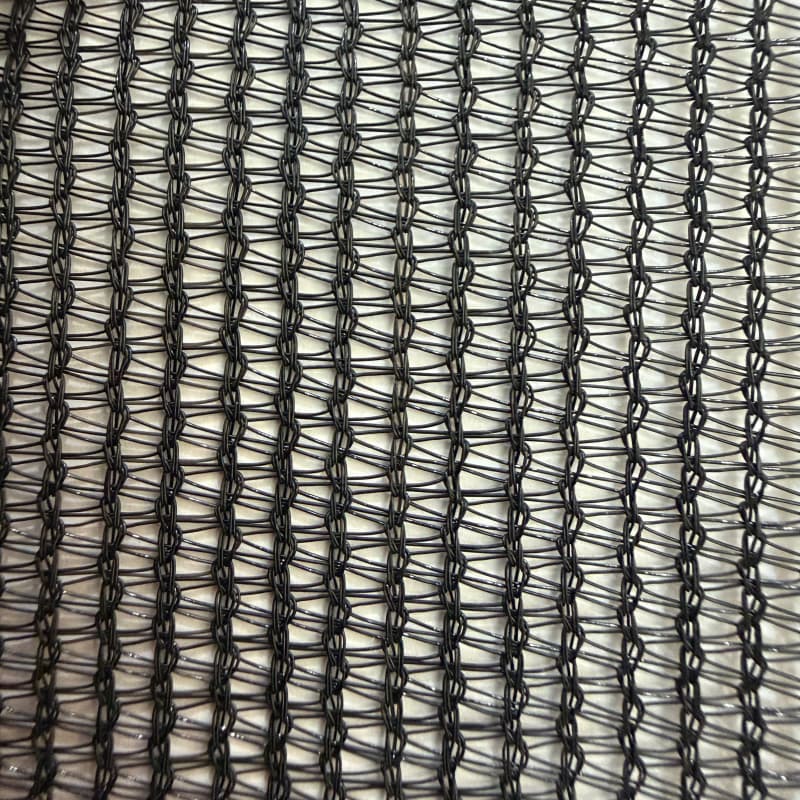
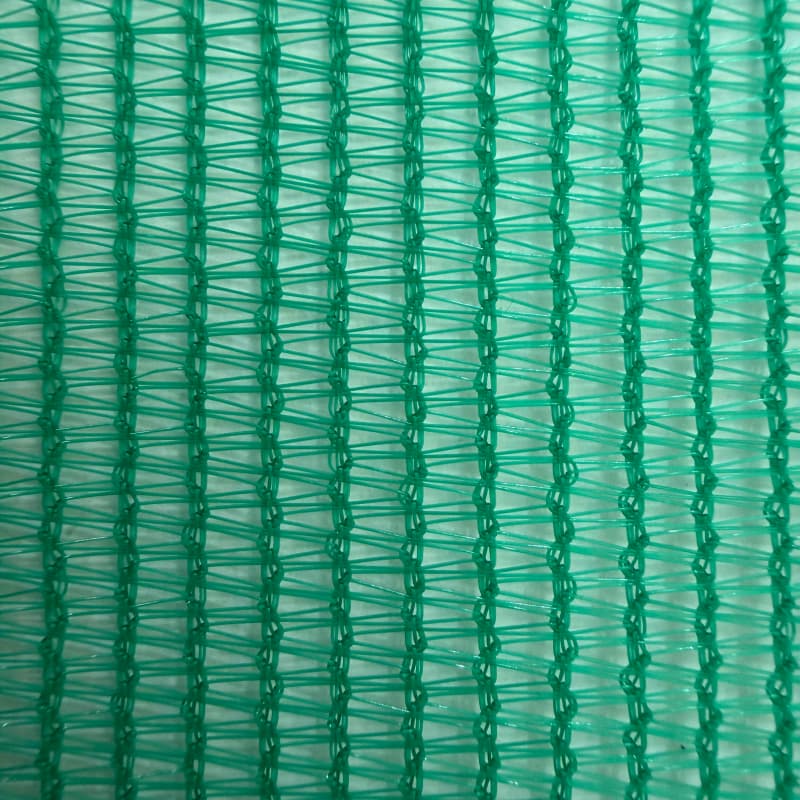
shade net (or shade cloth or sun shade mesh ) is a lightweight, mesh material woven or knitted from high-density polyethylene (HDPE) or synthetic fibers treated to resist UV radiation. It regulates sunlight, temperature, and moisture levels for plants, livestock, and outdoor spaces.
How do you choose the right shading rate
Choosing the right shading rate depends on the light requirements of what you are protecting, as well as your local climate. Shading percentages indicate the amount of solar radiation blocked by the net.
1. Match to the Specific Application
30% – 40% Shade (Light Blockage)
Best For: Sun-loving fruits and vegetables (tomatoes, peppers, cucumbers, melons, squash) and flowering plants.
Purpose: Prevents sunscald and heat stress during severe heatwaves without reducing light enough to stall growth or fruit production.
50% – 60% Shade (Medium Blockage)
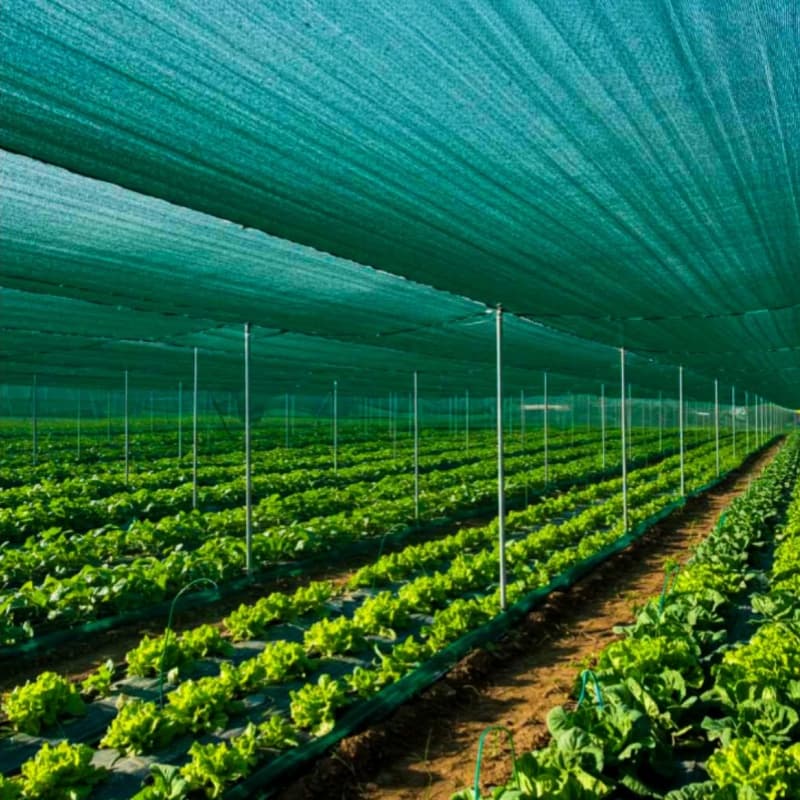
Best For: Leafy greens (lettuce, spinach, kale), root crops, nursery stock, cut flowers, and partial-shade plants (orchids, begonias, ferns).
Purpose: Keeps cool-season crops from bolting in summer heat and provides an ideal climate for starting seeds or rooted cuttings.
70% – 80% Shade (Heavy Blockage)
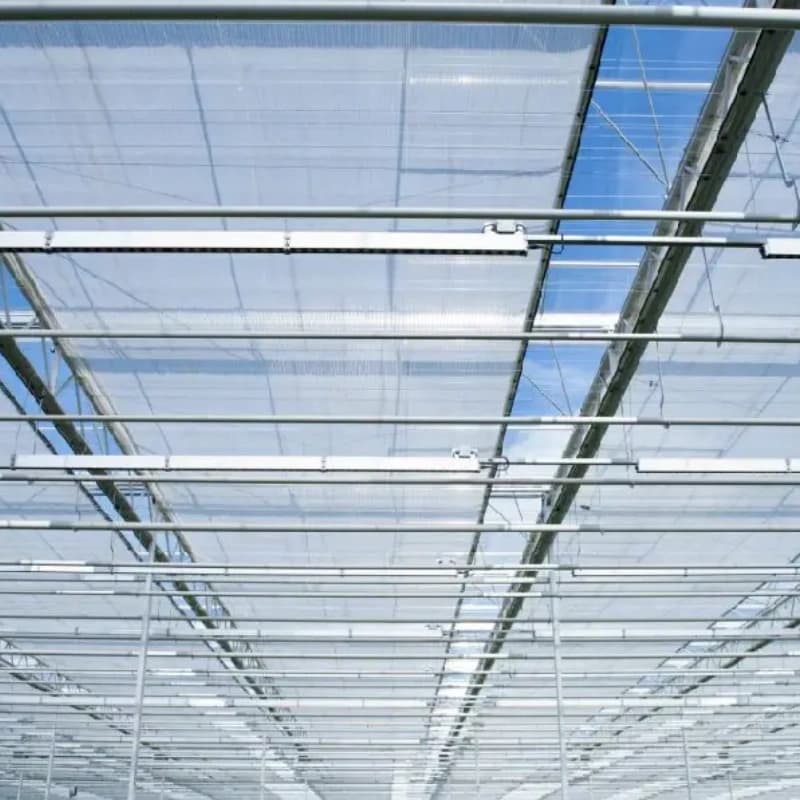
Best For: Deep-shade plants, livestock shading (poultry, cattle barns), algae control in water tanks, and greenhouse exterior roofs.
Purpose: Significantly lowers ambient temperatures where light exposure for growth is not a priority.
80% – 90%+ Shade (Maximum Blockage)
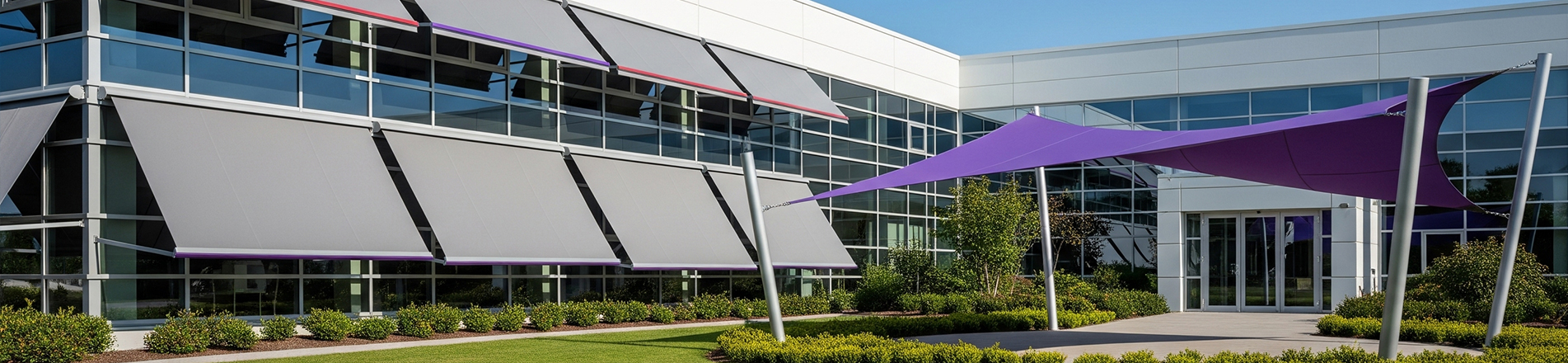
Best For: Human comfort zones, carports, patio privacy screens, pergolas, and construction sites.
Purpose: Maximum heat reduction and privacy; unsuitable for growing plants.

 IPv6 network supported
 leave a message
Scan to Wechat :

Scan to WhatsApp :




 English
 español