leave a message
If you are interested in our products and want to know more details,please leave a message here,we will reply you as soon as we can.

What is Shade Netting?
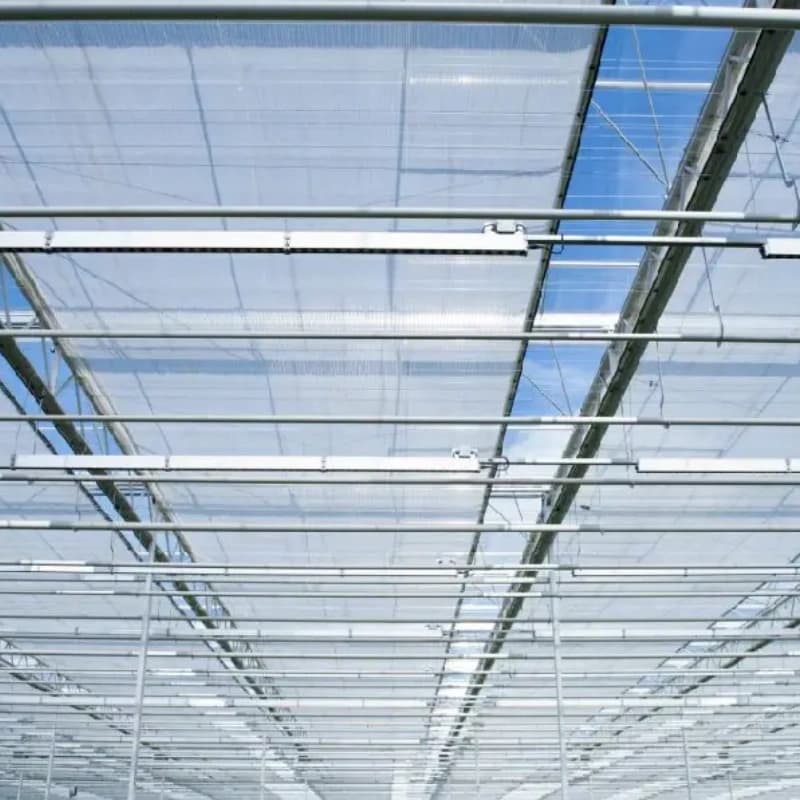
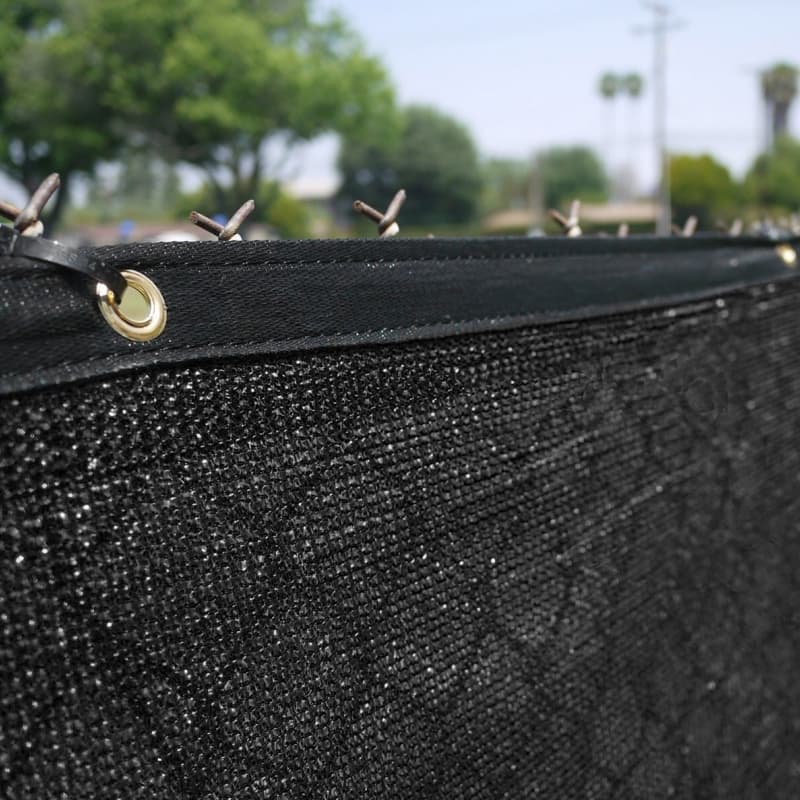
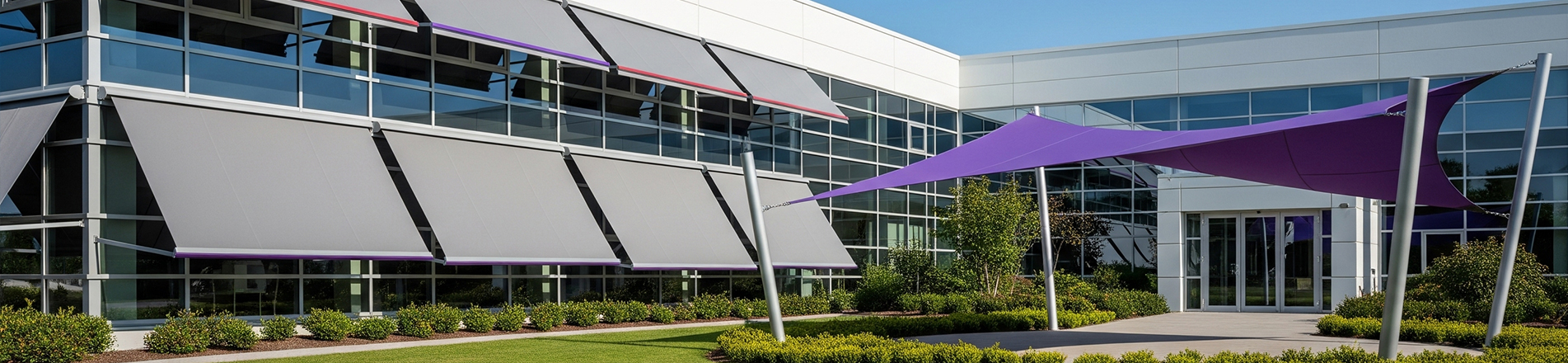
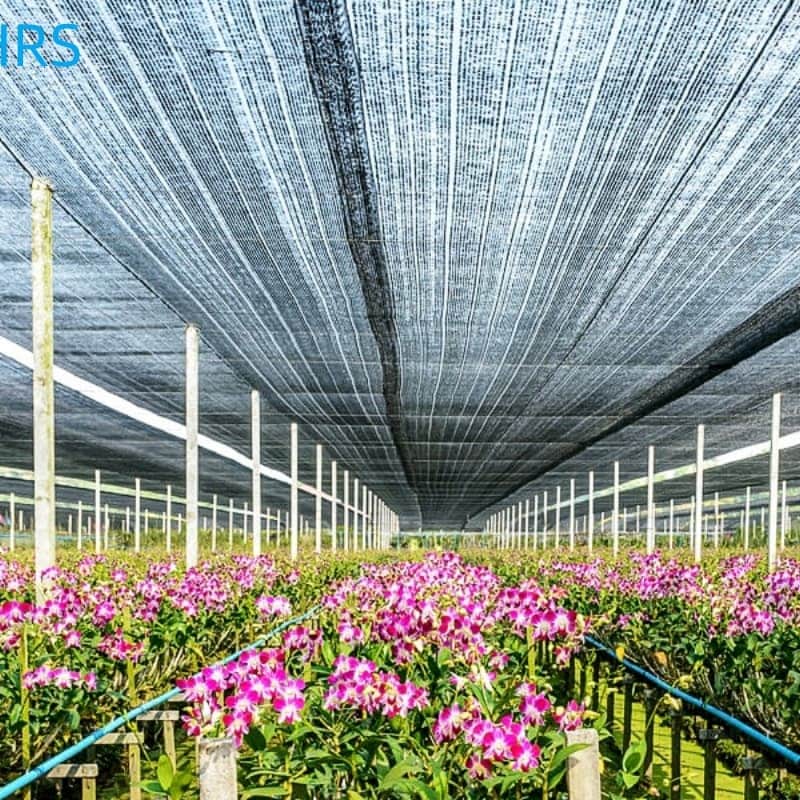
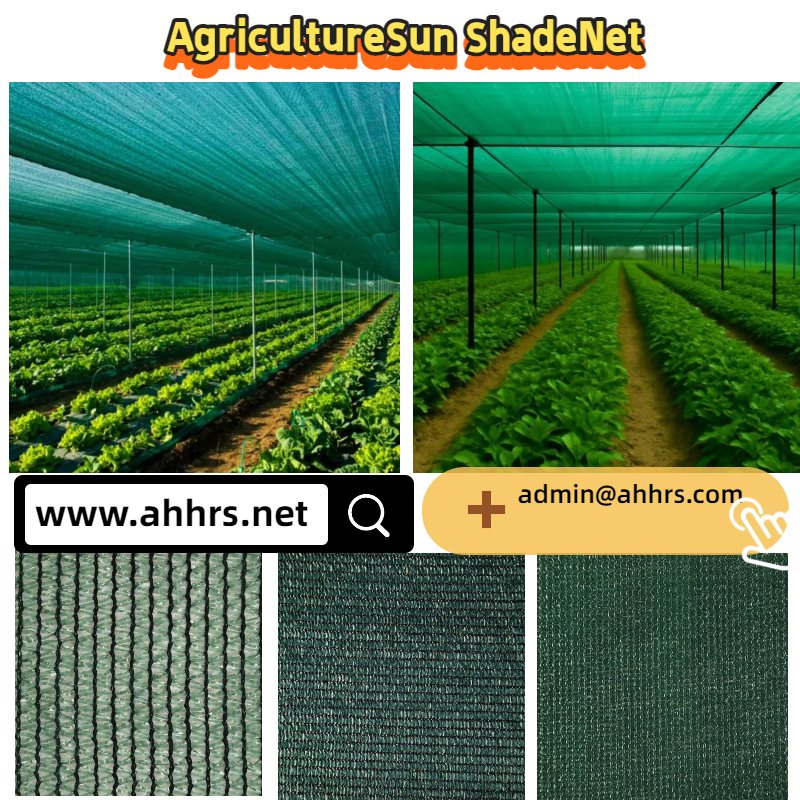
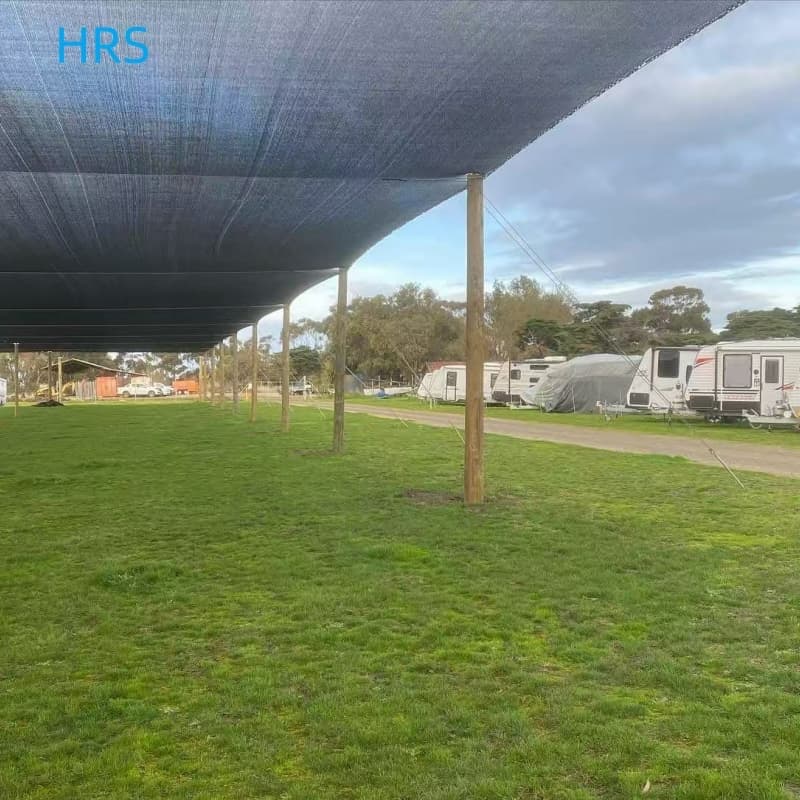
Shade netting is a mesh covering material used to regulate light and reduce heat load. It is suitable for greenhouses, polytunnels, nurseries, orchards, courtyards, and outdoor work areas. It reduces some direct sunlight while maintaining air circulation, helping crops and people achieve more comfortable shading conditions in high-temperature, high-light environments.
How to Choose Shade Netting
When choosing shade netting, it is recommended to focus on confirming the following information:
- Shading rate: 30%–50% is suitable for areas requiring more sunlight; 50%–70% is commonly used in summer greenhouses, nurseries, and leafy vegetables; over 70% is suitable for strong sunlight or light-sensitive scenarios.
- Weight and strength: For large spans, strong winds, or long-term use, choose a more suitable mesh strength and edge reinforcement scheme.
- UV resistance: For long-term outdoor use, it is recommended to choose materials that have undergone UV stabilization treatment.
- Size and processing: Confirm the width, length, overlock stitching, perforation, reinforcement tape, and fixing method in advance.
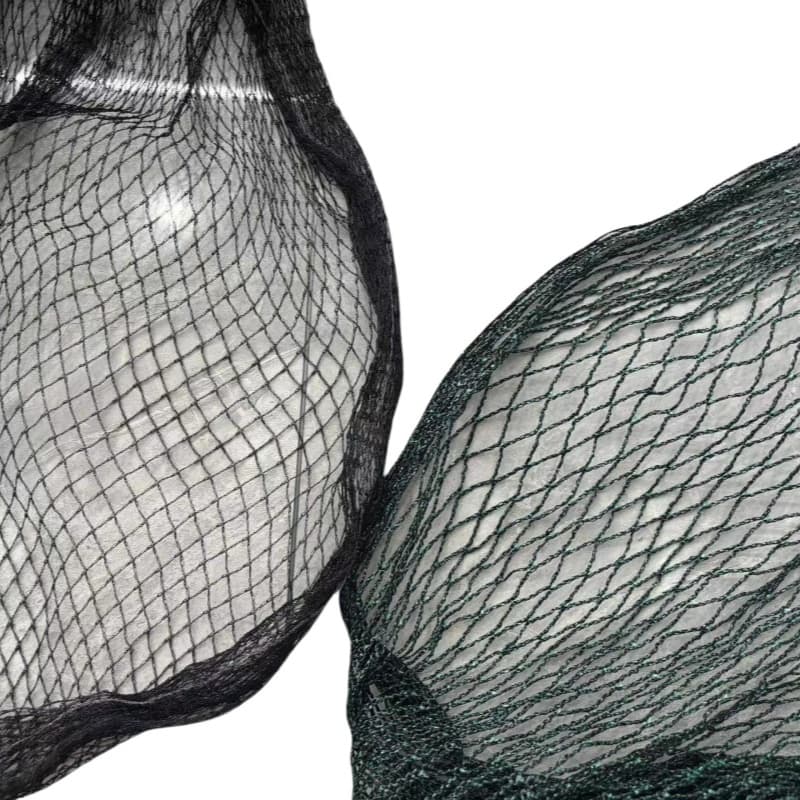
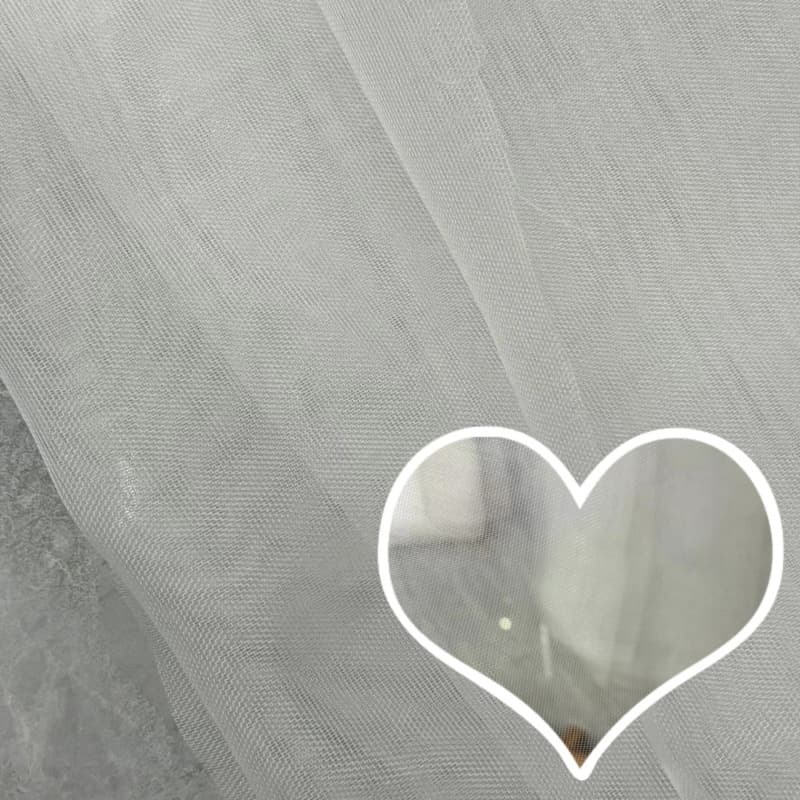
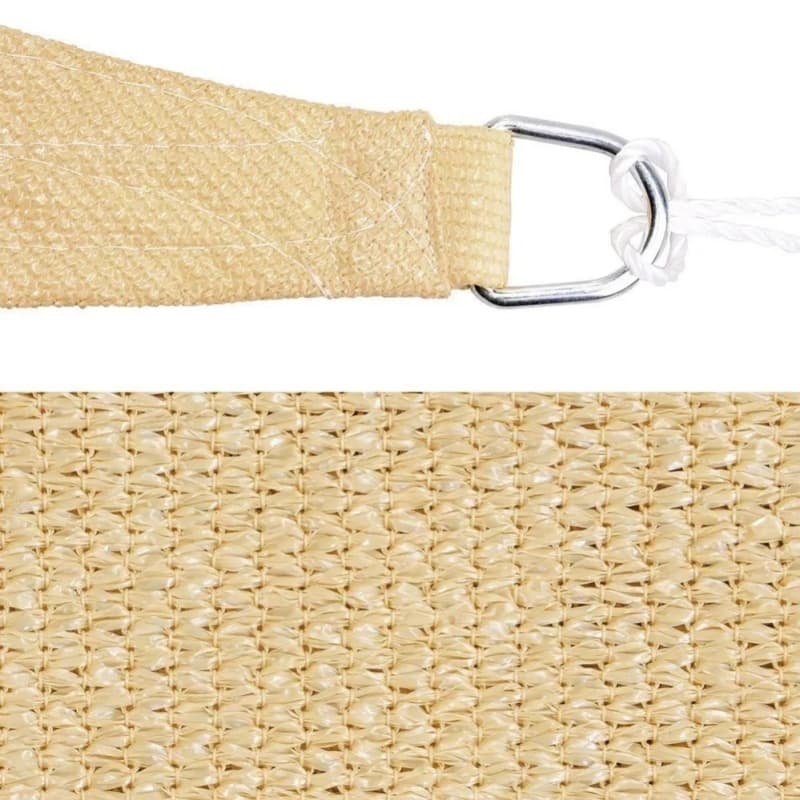
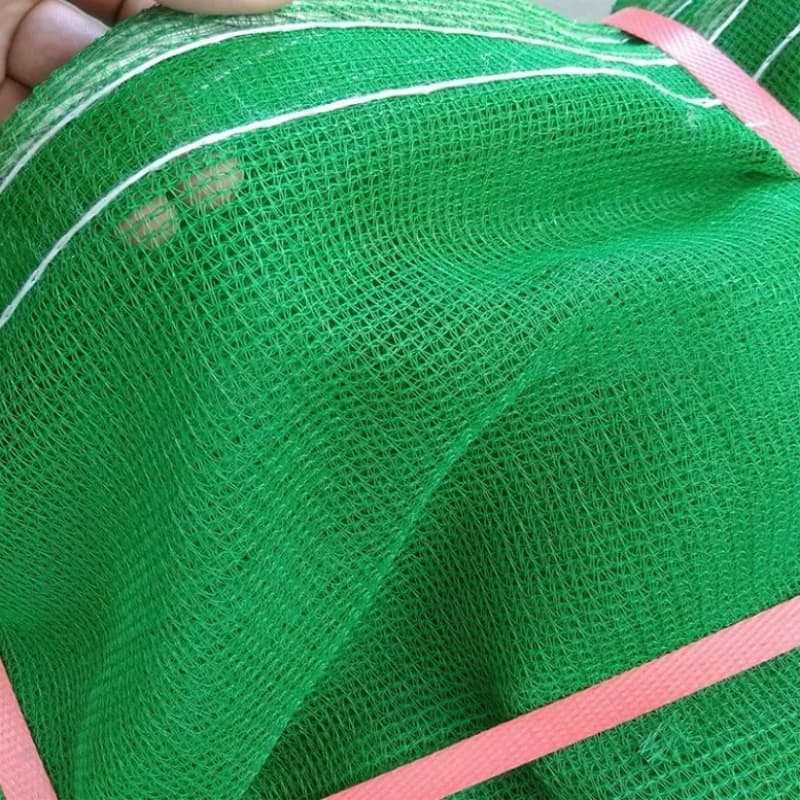
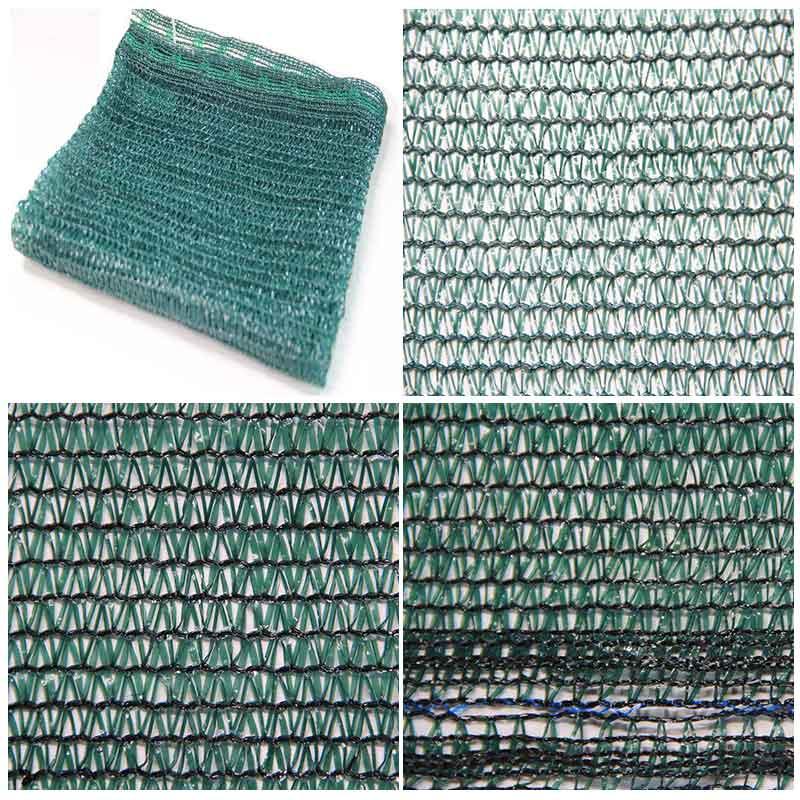
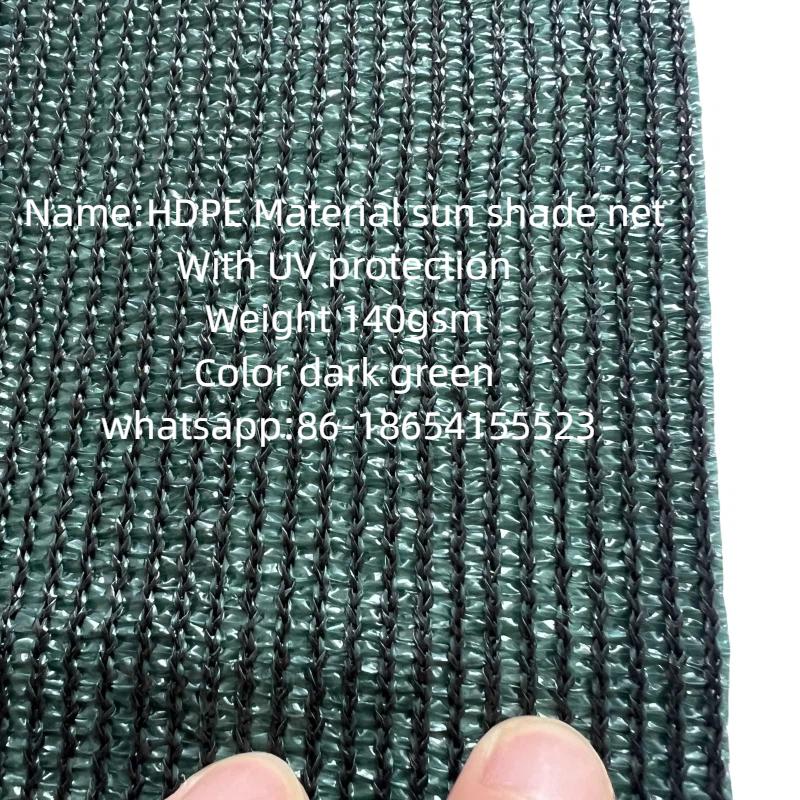
- Color and Weave Structure: Different colors and mesh structures will affect light transmission, heat dissipation, and visual effects. It is recommended to confirm with a sample first.
Shade Net Installation Plan
1. Measure the Installation Area
Confirm the coverage length, width, post spacing, fixing points, prevailing wind direction, and drainage direction.
2. Prepare Installation Materials
Prepare the shade net, clips or straps, pressure strips, ropes or wire ropes, tensioners, and edge reinforcements.
3. Check the Support Structure
Ensure that the posts, beams, and wire ropes are secure and free of sharp edges. For large-span installations, add intermediate supports to prevent the net from sagging.
4. Lay and Secure the Net
Unfold from one side, first securing the four corners and main load-bearing edges, then evenly securing from the center outwards to both sides, avoiding excessive local stretching.
5. Adjust Tension and Overlap
The net surface should be flat and moderately tensioned; when splicing multiple sections, allow for overlaps, and arrange the coverage sequence according to wind direction and drainage direction.
6. Post-Installation Inspection
Inspect fasteners, edges, vents, and support points; recheck tension and tightness after the first strong wind or rain.
Before purchasing, please prepare the shading rate, color, size, weight, processing requirements, installation environment, and quantity to obtain a more accurate selection and quotation.

 IPv6 network supported
 leave a message
Scan to Wechat :

Scan to WhatsApp :




 English
 español