How to Choose the Right Shade Percentage for Aluminet Shade Net
Nov 10, 2026
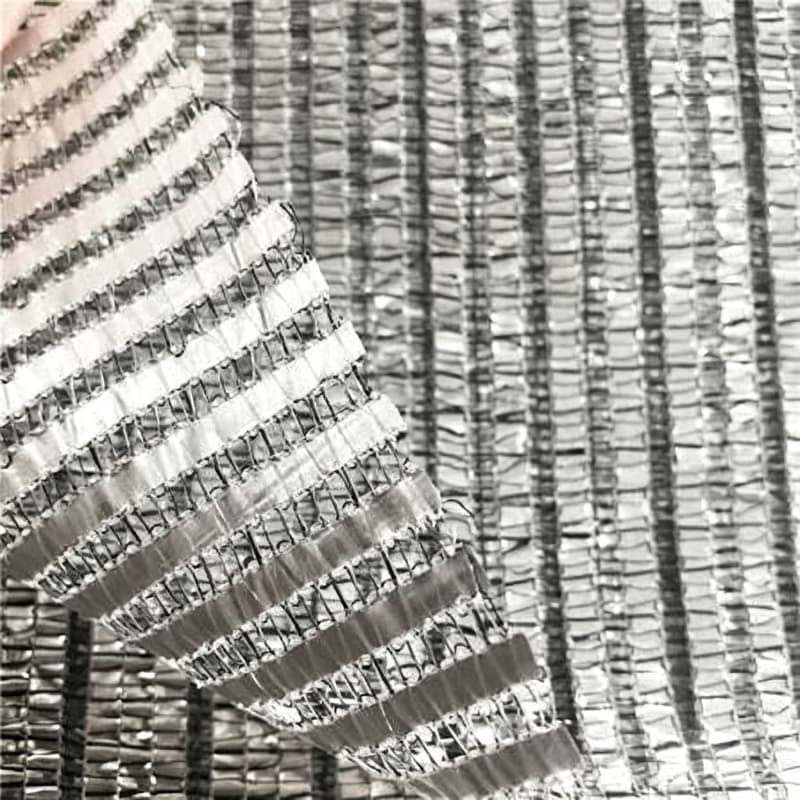
Indoor aluminum shade net, also known as aluminet thermal screen, is favored by commercial growers for its heat-reflective performance and diffused soft light. But one question keeps coming up: what shade percentage should you order?
Shade percentage means how much light the aluminet blocks. Pick too low, and crops get sunburn and heat stress. Pick too high, and plants stretch, slow growth or reduce yield. Unlike ordinary black shade cloth, aluminet reflects infrared heat instead of absorbing it, so the cooling effect works better inside greenhouses, grow rooms and grow tents.
Below is our practical guide covering 30%, 50%, 70% and 80% shade rates, matched to your target crops.
30% Aluminet Shade Net
Best for light-loving fruiting crops that still need heat protection in peak sunny hours.
Vegetables: Tomatoes, peppers, cucumbers, eggplants
Berries: Strawberries, blueberries, raspberries
Notes: It blocks only harsh excess light while keeping enough PAR for fruit setting and sugar accumulation. Ideal for temperate climates or seasons with moderate sunshine.
50% Aluminet Shade Net
The most versatile all-round option, widely used in mixed planting and general nursery setups.
Vegetables: Lettuce, spinach, basil and other leafy greens
Seedlings: Hardened young plants, post-transplant acclimation
Berries: Berry plants in hot summer to prevent fruit sunscald
Medicinal plants: Medium-light medicinal herbs
Notes: Balanced diffused light + reliable cooling, perfect for most commercial indoor growing systems. It is the default choice for many greenhouse contractors.
70% Aluminet Shade Net
For shade-sensitive crops that cannot stand strong direct light.
Orchids: Phalaenopsis, dendrobium and other common tropical orchids
Seedlings: Tender cuttings, tissue culture plantlets
Medicinal plants: Light-sensitive medicinal varieties
Mushrooms: Auxiliary shading for oyster mushrooms and shiitake
Leafy ornamentals: Ferns, calatheas and anthuriums
Notes: Great for reducing leaf bleaching and heat shock. Suitable for hot regions or high-light grow room environments.
80% Aluminet Shade Net
Heavy shading for crops requiring low light and stable cool conditions.
Mushrooms: Main shading for mushroom fruiting rooms
Highly sensitive seedlings: Fragile germinating seeds and baby plantlets
Special medicinal plants: Shade-demanding rare medicinal crops
Jewel orchids and low-light tropical plants
Notes: Do not use for fruiting vegetables or berries. Too much shade will suppress photosynthesis and stop flowering or fruiting.
Shade Rate
Core Crop Match
30%
Fruiting vegetables, berries (tomato, pepper, strawberry)
50%
Leafy greens, general seedlings, mixed herbs, common medicinal plants
70%
Orchids, cuttings, tissue-cultured seedlings, shade-loving medicinal crops
80%
Mushrooms, rare low-light medicinal plants, delicate germinating seedlings
Extra Tips for Selection
1.Climate matters: In hotter zones, you can upgrade one shade level higher for the same crop.
2.Grow light setup: For indoor grow rooms with powerful LED lights, you may need higher shade rate than sunlight greenhouses.
3.Installation gap: Keep air space between aluminet and plant canopy to get the best heat reflection and ventilation.
4.Custom support: We supply indoor aluminet shade net with all above shade rates, customizable sizes, grommets and flame-retardant treatment.
FAQ
Q: Can I change shade percentage after installation?
A: If you use a retractable inner shading system, you can only deploy or retract the screen. For fixed hanging, you need to choose the correct shade rate before ordering.
Q: Is aluminet better than black shade cloth for these crops?
A: Yes. Aluminet reflects heat away instead of trapping heat inside, creating cooler, diffused light conditions, which is friendlier for sensitive crops.
Q: Do you provide samples for shade rate testing?
A: Samples are available. You can test the light transmission and cooling effect before bulk orders.
Read More


 IPv6 network supported





 English
 español