How to Choose the Right Mesh Size for Your Anti-Insect Net?
Feb 04, 2026
How to Choose the Right Mesh Size for Your Anti-Insect Net?
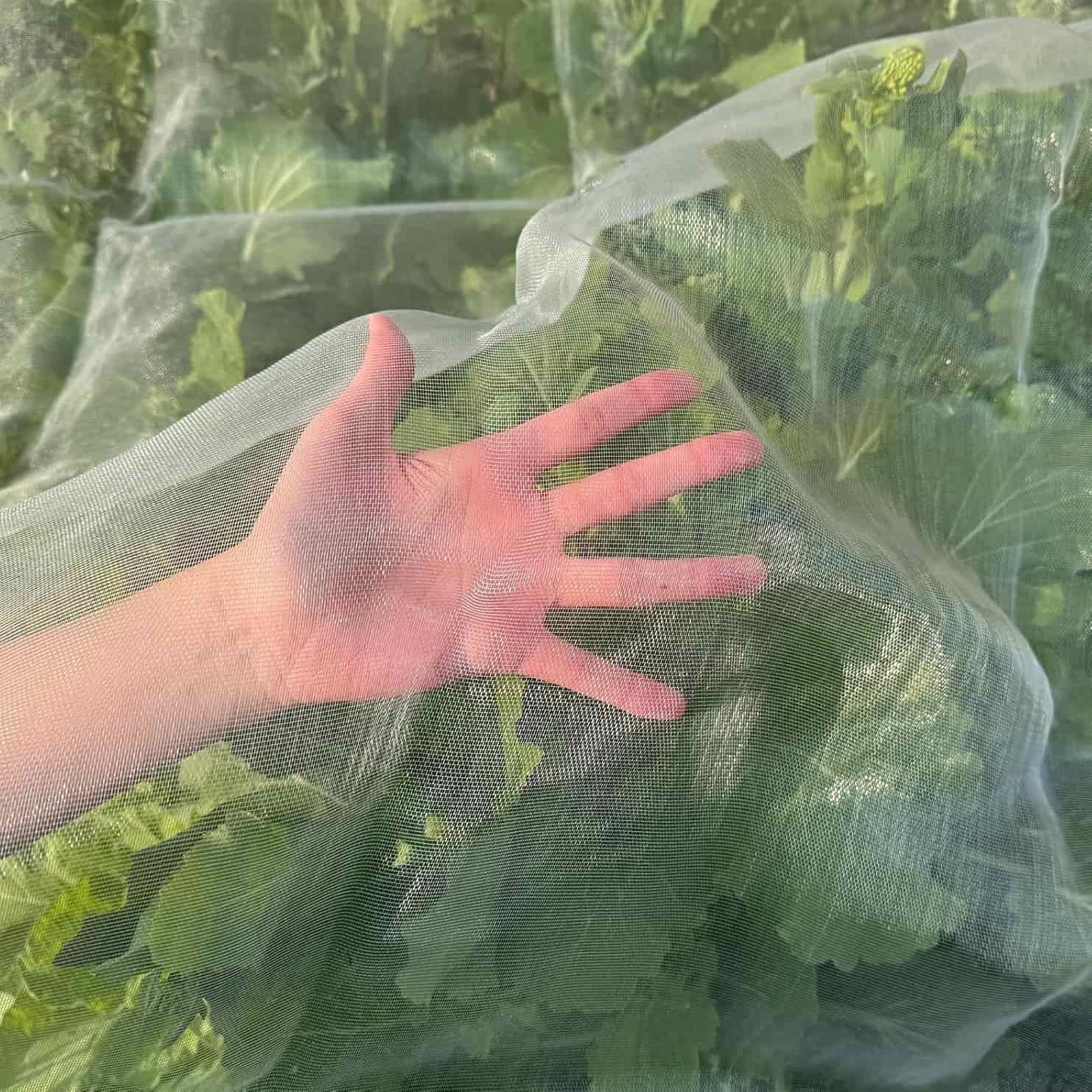
When selecting an anti-insect net, the mesh size is one of the most critical factors to consider. The right mesh will effectively block pests while ensuring proper airflow and light transmission for your crops. Here’s a guide to help you choose the best mesh size for your needs.
1. Understand Mesh Size and Its Importance
Mesh size refers to the number of holes per linear inch or the actual hole dimensions (in millimeters).
A smaller mesh blocks tiny insects but may reduce ventilation.
A larger mesh improves airflow but may allow smaller pests to pass through.
2. Match the Mesh to the Target Pest
Different insects require different mesh sizes for effective exclusion:
Thrips, whiteflies: 0.15mm – 0.35mm (50+ mesh)
Aphids, leafminers:0.35mm – 0.6mm (30-50 mesh)
Fruit flies, moths:0.8mm – 1.2mm (20-30 mesh)
Larger insects (beetles, caterpillars):1.5mm+ (10-20 mesh)
3. Consider Ventilation and Light Penetration
High-density mesh (50+ mesh) offers maximum pest protection but may require additional ventilation systems.
Medium-density mesh (20-50 mesh) balances insect control and airflow, ideal for most crops.
Low-density mesh (10-20 mesh) is best for larger pests and areas needing maximum airflow.
4. Evaluate Material and Durability
UV-stabilized polyethylene nets last longer under sunlight.
Knitted vs. Woven: Knitted nets are more flexible and resistant to tearing, while woven nets offer tighter mesh precision.
5. Assess Environmental Conditions
Humid climates: Opt for a slightly larger mesh to prevent fungal growth from poor airflow.
Windy areas: Choose a durable, reinforced net to withstand strong winds.
6. Application-Specific Recommendations
Greenhouses: 30-50 mesh for general insect protection.
Vegetable farms: 20-40 mesh for larger pests.
Nurseries & seedbeds: 50+ mesh for ultra-fine protection.
Conclusion
Choosing the right anti-insect net mesh depends on the pests you need to block, crop requirements, and environmental conditions. As a trusted supplier, we offer a range of high-quality nets in various mesh sizes to suit different agricultural needs.
Need help selecting the best mesh? [Contact us]
Read More


 IPv6 network supported




 English
 español