Enter product details (such as color, size, materials etc.) and other specific requirements to receive an accurate quote.

leave a message

If you are interested in our products and want to know more details,please leave a message here,we will reply you as soon as we can.
Submit
other

Blog

Home Blogs

Blog

  • Why has pp green cover become so popular?
    Why has pp green cover become so popular?
    Apr 24, 2025
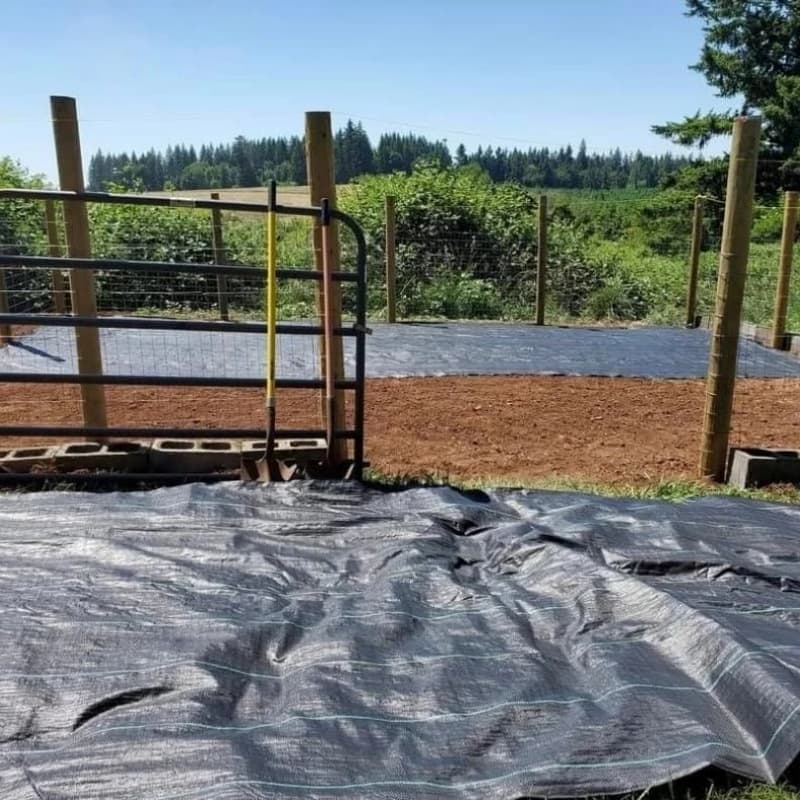
    PP (Polypropylene) ground cover is a durable, synthetic fabric widely used in gardening, agriculture, landscaping, and construction for weed control, soil stabilization, and moisture management. It is a cost-effective and long-lasting alternative to organic mulch or traditional landscaping fabrics. PP (polypropylene) ground cover is currently popular for several key reasons, which can be summarized as follows: 1. Durability & Longevity PP ground cover is highly resistant to tearing, UV rays, and moisture, making it a long-lasting solution for gardens, landscaping, and agricultural use. 2. Weed Control It effectively suppresses weed growth by blocking sunlight, reducing the need for chemical herbicides and manual weeding. 3. Cost-Effectiveness Compared to organic mulch or fabric alternatives, PP ground cover is relatively inexpensive while offering consistent performance. 4. Water Permeability Many PP covers are designed to allow water and nutrients to pass through while preventing soil erosion. 5. Lightweight & Easy Installation PP material is easy to cut, shape, and install, making it a convenient choice for DIY gardeners and professionals alike. 6. Versatility It’s widely used in agriculture (for crop protection), landscaping (under gravel or mulch), and even in construction (as a temporary ground stabilizer). 7. Eco-Friendly Options Some PP covers are recyclable, and since they last longer, they reduce waste compared to short-lived alternatives. 8. Aesthetic Appeal Available in different colors (black, green, brown), it blends well with various outdoor designs.
    Read More
  • The Benefits of HDPE Shade Nets & Ground Covers for Agriculture and Landscaping
    The Benefits of HDPE Shade Nets & Ground Covers for Agriculture and Landscaping
    May 16, 2025
    Introduction As a leading HDPE net supplier, we specialize in high-quality shade nets, ground covers, and agricultural nets designed to enhance crop protection, weed control, and environmental sustainability. Whether you're a farmer, landscaper, or commercial grower, our HDPE (High-Density Polyethylene) nets offer durability, UV resistance, and cost-effective solutions for various applications. In this blog, we’ll explore the key benefits, uses, and advantages of HDPE shade nets and ground covers. Why Choose HDPE Nets? HDPE (High-Density Polyethylene) is a lightweight yet strong material known for its: ✔ UV resistance – Long-lasting protection against sun damage ✔ Tear & weather resistance – Withstands wind, rain, and extreme temperatures ✔ Breathability – Allows air and moisture circulation while reducing heat stress ✔ Eco-friendly & recyclable – A sustainable alternative to plastic sheets Common Applications of HDPE Nets 1. Shade Nets for Agriculture & Greenhouses Crop Protection: Reduces sunburn and heat stress on plants. Temperature Control: Maintains optimal growing conditions. Pest & Bird Deterrent: Keeps insects and birds away from crops. 2. Weed Control Ground Covers Blocks weed growth while allowing water and nutrients to penetrate. Reduces herbicide use, promoting organic farming. Ideal for orchards, vineyards, and landscaping. 3. Construction & Erosion Control Stabilizes soil on slopes and construction sites. Prevents sediment runoff in rainy seasons. 4. Privacy & Windbreak Nets Used in residential areas, sports fields, and highways. Reduces wind impact on crops and structures. How to Select the Right HDPE Net? When choosing an HDPE net, consider: Shade Percentage (30% to 90% UV blockage) GSM (Grams per Square Meter) – Higher GSM = stronger material Color Options (Black, green, white, or custom) UV Stabilization (Longevity under sun exposure) Why Source from Us? ✅ Factory-direct pricing – Competitive rates for bulk orders ✅ Custom sizes & colors – Tailored to your project needs ✅ Fast global shipping – Reliable logistics support ✅ OEM/ODM services – Private labeling available Conclusion HDPE shade nets and ground covers are essential tools for modern agriculture, landscaping, and construction. By investing in high-quality HDPE nets, you can enhance crop yields, reduce maintenance costs, and promote sustainable practices.
    Read More
  • Why Choose HDPE Netting?
    Why Choose HDPE Netting?
    Apr 10, 2025
    Why Choose HDPE Netting? Benefits & Applications from a Trusted Supplier As a leading HDPE netting supplier, we understand the growing demand for durable, versatile, and cost-effective solutions in agriculture, construction, aquaculture, and safety applications. High-Density Polyethylene (HDPE) netting is one of the most reliable materials on the market, offering superior strength, UV resistance, and longevity. In this blog, we’ll explore the key benefits, applications, and reasons to choose HDPE netting for your projects. What is HDPE Netting? HDPE netting is made from high-density polyethylene, a lightweight yet extremely strong plastic material. It is woven or extruded into mesh structures of varying sizes and strengths, making it ideal for multiple industrial and commercial uses. Key Features of HDPE Netting: ✔ High Tensile Strength – Resists tearing and heavy loads. ✔ UV Stabilized – Withstands prolonged sun exposure without degrading. ✔ Weather & Corrosion Resistant – Performs well in extreme temperatures and wet conditions. ✔ Lightweight & Flexible – Easy to install, cut, and customize. ✔ Chemical Resistance – Unaffected by most acids, alkalis, and solvents. ✔ Eco-Friendly Options – Recyclable and available in biodegradable variants. Top Applications of HDPE Netting 1. Agriculture & Horticulture Crop Protection: Acts as bird netting, insect barriers, and shade nets. Climbing Support: Used as trellis netting for cucumbers, tomatoes, and vines. Windbreaks & Fencing: Reduces wind damage and protects plants. 2. Aquaculture & Fishing Fishing Nets & Cages: Durable, saltwater-resistant netting for fish farms. Oyster & Algae Cultivation: Provides a stable structure for marine farming. 3. Construction & Safety Debris Netting: Prevents falling objects on construction sites. Safety Barriers: Used in scaffolding and crowd control. Erosion Control: Stabilizes soil on slopes and embankments. 4. Sports & Recreation Golf Nets & Driving Ranges: High-impact resistance for ball containment. Zoo & Animal Enclosures: Safe and sturdy barriers for wildlife. Why Source HDPE Netting from Us? As a trusted HDPE netting supplier, we offer: ✅ High-Quality Material – Manufactured to international standards. ✅ Customizable Options – Different mesh sizes, colors, and thicknesses. ✅ Competitive Pricing – Cost-effective solutions for bulk orders. ✅ Fast Delivery & Reliable Supply – On-time shipments worldwide. Conclusion HDPE netting is an essential solution for industries requiring durability, flexibility, and weather resistance. Whether you need agricultural netting, safety barriers, or aquaculture mesh, we provide top-grade HDPE netting tailored to your needs. Contact us today for samples, quotes, or expert advice on the best HDPE netting for your project!
    Read More
  • Balcony Privacy Screen is becoming more and more popular
    Balcony Privacy Screen is becoming more and more popular
    Mar 28, 2025
      Why HDPE Balcony Privacy Screens Are Booming: A Supplier’s Insight As a supplier of balcony privacy screens, we’ve observed a significant surge in demand over recent years. Several key factors are driving this trend, making privacy screens a must-have for modern homeowners, renters, and commercial properties alike. Here’s why: 1. Unmatched Durability for Outdoor Use HDPE (High-Density Polyethylene) is weatherproof, UV-resistant, and rust-free, making it ideal for balconies exposed to sun, rain, or wind. Unlike wood or metal screens, HDPE nets won’t crack, fade, or corrode—ensuring long-term performance with zero maintenance. 2. Lightweight & Easy Installation HDPE privacy nets are featherlight yet strong, allowing for hassle-free mounting on railings, pergolas, or walls. And our privacy fence screens are with copper or aluminum grommets so it's to install. 3. Perfect Balance of Privacy & Ventilation Unlike solid screens, HDPE nets block visibility while allowing airflow and natural light. This makes balconies feel secluded yet airy—a key selling point for high-rise apartments and humid climates. 4. Cost-Effective Solution For budget-conscious buyers, HDPE nets deliver high-end privacy at a fraction of the cost of glass, aluminum, or composite panels. Suppliers can offer bulk discounts, making them ideal for large-scale residential or commercial projects. 5. Customization & Aesthetic Flexibility Modern HDPE nets come in multiple colors. Suppliers can tailor products to match architectural styles, from minimalist urban balconies to resort-style terraces. 6. Eco-Friendly Appeal HDPE is 100% recyclable, aligning with the growing demand for sustainable building materials. Suppliers promoting "green" privacy solutions gain traction with eco-aware consumers and LEED-certified projects. 7. Rising Demand for High-Density Urban Living As cities grow denser, balconies are often just meters apart. HDPE nets provide instant privacy without permits or structural changes, addressing a critical need for apartment dwellers and Airbnb hosts. 8. Multi-Functional Benefits Beyond privacy, HDPE nets act as windbreakers, sunshades, and even safety barriers for pets or kids. Hotels and cafes use them to create intimate outdoor seating areas without full enclosures. Conclusion: A Market Shift Toward Smart, Sustainable Privacy The surge in HDPE privacy screen popularity reflects a broader move toward low-maintenance, adaptable, and eco-conscious outdoor solutions. As suppliers, we’re innovating with fade-resistant coatings, fire-retardant options, and modular designs to meet evolving needs. Interested in how HDPE nets can solve your market’s privacy challenges? Let’s discuss custom solutions!                
    Read More
  • Sun shade nets with different shading rates are suitable for different crops.
    Sun shade nets with different shading rates are suitable for different crops.
    Mar 21, 2025
    Shade nets with different shading rates are used in agriculture to optimize plant growth and protect crops from excessive sunlight. Here’s how various shading rates are suited for different agricultural applications: 1. 30%-50% Shading Rate Best for: Light-sensitive crops that require partial sunlight. Applications: Vegetables: Lettuce, spinach, and other leafy greens. Flowers: Orchids, roses, and other ornamental plants. Nurseries: Young plants or seedlings that need gentle sunlight for healthy growth. 2. 50%-70% Shading Rate Best for: Crops that thrive in moderate shade and need protection from intense sunlight. Applications: Fruits: Strawberries, grapes, and blueberries. Vegetables: Tomatoes, peppers, and cucumbers. Herbs: Basil, mint, and cilantro. Greenhouses: To reduce heat and prevent sunburn on plants. 3. 70%-90% Shading Rate Best for: Shade-loving plants or crops that require minimal direct sunlight. Applications: Ornamental Plants: Ferns, palms, and other shade-loving species. Medicinal Plants: Ginseng, turmeric, and other herbs that grow best in low light. Livestock: Providing shade for animals in pastures or barns. 4. 90% and Above Shading Rate Best for: Specialized applications where maximum shade and protection are needed. Applications: Storage Areas: Protecting agricultural equipment or produce from sun damage. High-Heat Regions: Creating ultra-shaded environments for sensitive crops or livestock. Key Benefits of Using Shade Nets in Agriculture: Temperature Control: Reduces heat stress on plants. UV Protection: Shields crops from harmful ultraviolet rays. Water Conservation: Lowers evaporation rates, saving water. Pest Protection: Acts as a barrier against insects and birds. Improved Yield: Creates optimal growing conditions for better crop quality and quantity. By selecting the right shading rate for your crops, you can enhance growth, protect plants, and maximize agricultural productivity.              
    Read More
  • What convenience does using the anti-bird netting bring us?
    What convenience does using the anti-bird netting bring us?
    Mar 05, 2025
    Using anti-bird netting offers several benefits: Crop Protection: It effectively prevents birds from damaging fruits, vegetables, and other crops, ensuring higher yields and better quality produce. Cost-Effective: It is a relatively inexpensive solution compared to other bird deterrent methods, providing long-term protection with minimal maintenance. Environmentally Friendly: Anti-bird netting is a non-toxic and humane way to keep birds away, avoiding harm to both the birds and the environment. Durability: Made from strong, UV-resistant materials, the netting can withstand harsh weather conditions and last for several seasons. Versatility: It can be used in various settings, including gardens, orchards, vineyards, and warehouses, making it suitable for different types of crops and storage areas. Reduced Disease Spread: By keeping birds away, the netting helps reduce the spread of diseases that birds can carry, which might affect both plants and humans. Improved Aesthetic: It maintains the visual appeal of the area by being less intrusive compared to other bird control methods like spikes or noise deterrents. Easy Installation: The netting is simple to install and can be customized to fit different shapes and sizes of areas needing protection. Overall, anti-bird netting is a practical and efficient solution for protecting crops and other areas from bird-related damage.
    Read More
  • Selection and installation of sun shade net.
    Selection and installation of sun shade net.
    Feb 27, 2025
    How to Choose the Right Shade Net? Shading Percentage 30%-50%: Ideal for light-sensitive plants or areas requiring partial shade. 60%-70%: Suitable for most vegetables, flowers, and outdoor spaces. 80%-90%: Best for heavy shading, such as for livestock or highly sensitive plants. Material Quality Look for UV-stabilized, durable, and breathable materials. Color Black: Provides maximum shade and UV protection. Green: Blends well with natural surroundings and offers moderate shading. White or reflective: Reduces heat buildup and is ideal for hot climates. Size and Shape Choose a size that fits your area and consider custom shapes for specific needs. Installation Tips for Shade Nets Measure the Area Determine the size of the area you want to cover and purchase a shade net that fits. Secure the Edges Use ropes, cables, or hooks to firmly attach the shade net to poles, fences, or structures. Ensure it is taut to prevent sagging. Allow for Airflow Leave some space between the net and the ground or plants to promote ventilation. Regular Maintenance Inspect the net periodically for damage and clean it to remove dirt or debris.
    Read More
  • About Shade Net
    About Shade Net
    Feb 27, 2025
    Shade nets, also known as shade cloths or sun screens, are versatile and essential tools for gardeners, farmers, and outdoor enthusiasts. These nets are designed to provide protection from the sun's harsh rays, creating a more controlled and comfortable environment for plants, animals, and people. In this blog, we’ll explore the benefits, uses, and installation tips for shade nets. What is a Shade Net? A shade net is a woven or knitted fabric made from high-density polyethylene (HDPE) or other durable materials. It comes in various shading percentages, ranging from 30% to 90%, which determine how much sunlight is blocked. The higher the percentage, the less sunlight passes through. Benefits of Shade Nets Sun Protection for Plants Shade nets protect plants from excessive sunlight, preventing sunburn and heat stress. This is especially important for delicate plants, seedlings, and greenhouse crops. Temperature Regulation By reducing direct sunlight, shade nets help maintain a cooler environment, which is beneficial for both plants and outdoor spaces like patios or playgrounds. UV Protection High-quality shade nets block harmful UV rays, protecting both plants and people from prolonged exposure. Water Conservation Shade nets reduce evaporation, helping to retain soil moisture and reduce the frequency of watering. Pest and Wind Barrier They act as a physical barrier against pests, birds, and strong winds, safeguarding crops and outdoor areas. Durability and Longevity Made from UV-stabilized materials, shade nets are resistant to weathering, tearing, and degradation, ensuring long-term use. Common Uses of Shade Nets Agriculture and Gardening Protecting crops, vegetables, and flowers from extreme weather conditions. Creating shade houses or greenhouses for controlled cultivation. Livestock Protection Providing shade for animals like poultry, cattle, and pets to keep them cool and comfortable. Outdoor Spaces Covering patios, playgrounds, and car parks to create shaded areas. Construction Sites Used as temporary shading or dust barriers. Aquaculture Protecting fish ponds from excessive sunlight and predators. Conclusion Shade nets are a simple yet effective solution for managing sunlight, temperature, and environmental conditions. Whether you’re a farmer, gardener, or homeowner, incorporating shade nets into your outdoor spaces can significantly improve plant health, comfort, and productivity. With the right choice and proper installation, shade nets can be a long-lasting investment for a greener, cooler, and more sustainable environment. Have you used shade nets before? Share your experiences and tips in the comments below!
    Read More
  • Introduction of Anti-bird Netting
    Introduction of Anti-bird Netting
    Jan 18, 2025
    Introduction of Anti-bird Netting 1.Product Description Anti bird netting is strong in lightweight for protecting large areas of crops from bird damage. Manufactured from high-density polyethylene or polypropylene, bird netting is versatile and can be used in cage netting for fruit and vegetable crops. This netting is easy to install over fruit cages, directly over fruit trees, or other vegetable or fruit growing areas within the garden or allotment. 2.Product detail Production Name Anti-Bird Net Mesh 12mm*12mm, 15mm*15mm, 20mm*20mm, and so on Gram 15g, 20g, 25g, 35g, 40g Customized Weight Usage Agriculture/ Greenhouse Bird Proof Size Customized Size Color Black, White, Green Warranty 5 years Material 100% New HDPE + 3%UV Stabilized MOQ 500kg Delivery Time 20-25 Days 3.Function of anti-bird netting 1. Physically stop birds from landing, roosting&nesting in many areas. 2. Plastic mesh bird netting is economical and reliable in plant protection against birds. 3. Protect row plantings of grapes, berries, row vegetables. 4. Bird netting is widely used to protect orchard, and crops from birds. 5. Reduces the level of watering required due to the slower rate of water evaporation. 6. It is solid and durable for several growing seasons. 7. It can also be easily removed and re-rolled for next use.    
    Read More
  • A good helper for fruit farmers: agricultural anti-insect netting
    A good helper for fruit farmers: agricultural anti-insect netting
    Dec 26, 2024
    A good helper for fruit farmers: agricultural anti-insect netting 1.Product Description Anti insect nets are generally used to protect cultivation from insects. They are made of High Density polyethylene with UV resistant. This HDPE anti insect net, attached to the sides and roofs of greenhouses, provide the essential barrier between the crops and the insects that spread diseases. Effectively restrain the intrusion of vermin's larva, cut off the pass of vermin's propagation, conquer the abuse of chemical pesticide, anti insect and disaster effectively, suitable for shading and windbreak. It is the expert net for green vegetables. 2.Product Detail Product name Agricultural anti- insect netting Material 100% Virgin HDPE+UV Mesh Size 30mesh, 40mesh, 50mesh, 60mesh etc Applicable targets Garden used/Greenhouse used/Farm used and others Size Customization 3.What insects can be prevented ?Anti Insect Netting for greenhouse small insect will keep out: Cabbage root fly, carrot fly, cabbage white butterfly, pea moth, leek moth, cutworm,onion fly, leaf miners and many species of aphids. Vegetables or fruit may be covered all the year round from planting right up to harvest.  
    Read More
  • ground cover
    ground cover
    May 09, 2022
    Advantage: 1. Strong and Durable, anti-corruption, Inhibition of insect pest. 2. Air-ventilation, UV-protection and anti-weather. 3. Does not affect the growth of the crops, Weed-control and keep soil moist,ventilation. 4. Long serving time, which can give 5-8 year guarantee time. 5. Suitable for cultivating all kinds of plant. Specification Product Name Weed Mat / Ground cover Material 100% PP Color black,green Length 10m-100m or as your requirement Width 0.5m-6m or as your requirement Weight 90g-200g UV As your request Payment T/T,L/C using life minimum life length:3-5 years Packing Roll with paper core inside and poly bag outside
    Read More
  • construction safety debris netting
    construction safety debris netting
    Apr 13, 2022
    Features • High density knitted polyethylene mesh netting • 1/4" hole openings • Reinforced border edges for fastening • UV protection for sunlight exposure • Tear resistant • Mold and mildew resistant • Made from 100% high quality virgin material • FR = Flame Retardant NFPA 701 • NFR = Non-Flame Retardant Benefits • Jobsite protection • Worker and pedestrian safety • Scaffolding enclosure • Construction windscreen • Visual barrier for hazard safety • Contain tools and debris from falling • Will not unravel when cut • Allows air to pass through • Remains flexible in cold weather
    Read More
1 2 3 4 5 6 7 8
A total of8pages

leave a message

leave a message
If you are interested in our products and want to know more details,please leave a message here,we will reply you as soon as we can.
submit

Home

Products

whatsApp

contact