Enter product details (such as color, size, materials etc.) and other specific requirements to receive an accurate quote.

leave a message

If you are interested in our products and want to know more details,please leave a message here,we will reply you as soon as we can.
Submit
other

Blog

Home Blogs

Blog

  • Ground Cover Weed Mat for Cleaner, Easier Growing
    Ground Cover Weed Mat for Cleaner, Easier Growing
    Nov 12, 2026
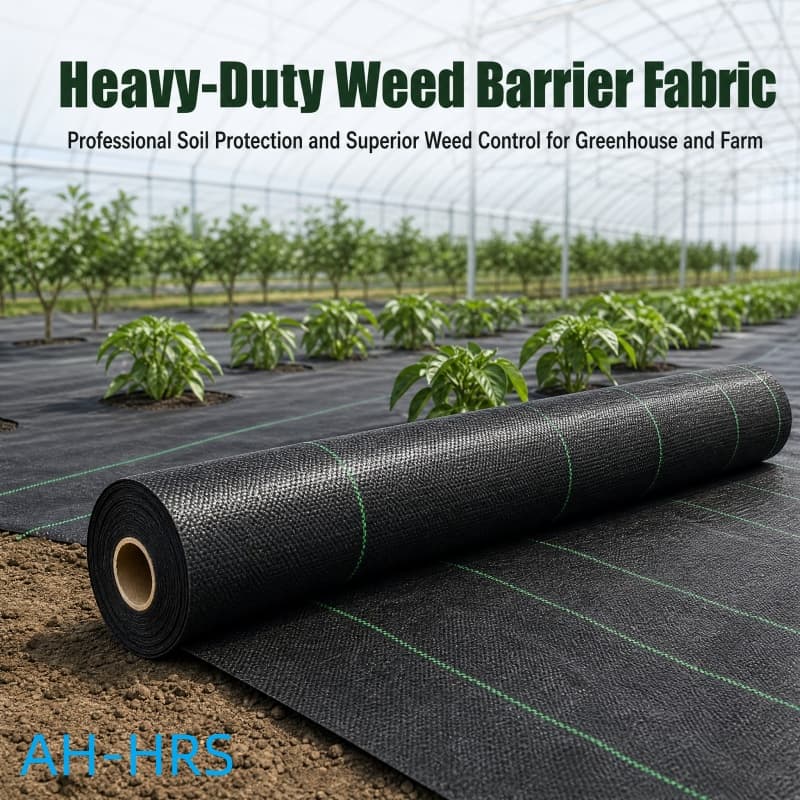
    Ground Cover Weed Mat for Cleaner, Easier Growing Keep weeds under control and maintain a tidy growing area with durable ground cover weed mat. Designed for gardens, greenhouses, nurseries, landscaping, and agricultural use, it helps block sunlight from reaching weeds while allowing water and air to pass through the fabric. This helps reduce routine weeding and supports healthier, easier-to-manage planting areas. Ground cover weed mat can also help keep soil and pathways cleaner, reduce erosion, and create a neat surface for plant rows, pots, or walkways. It is lightweight, easy to cut and install, and available in different sizes, colors, and specifications to suit your project. Why Choose Anhui Heshun Import and Export Co., Ltd.? Anhui Heshun Import and Export Co., Ltd. specializes in agricultural netting and ground cover products. We offer: Factory-direct prices and competitive options Flexible specifications for different applications Quality-focused production and inspection Reliable export service for international customers Responsive support to help match products to your requirements Choose Anhui Heshun for practical weed control products, competitive pricing, and dependable service. Contact us with your required size, weight, color, and quantity to request a quotation
    Read More
  • Bird Netting for Reliable Crop Protection
    Bird Netting for Reliable Crop Protection
    Nov 12, 2026
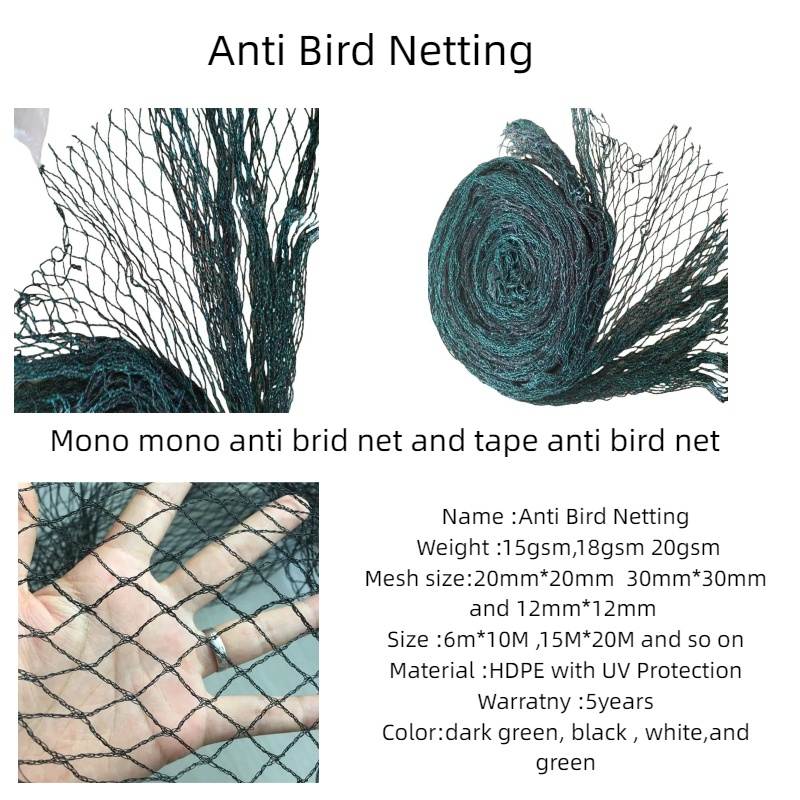
    Bird Netting for Reliable Crop Protection Protect your crops, gardens, orchards, and growing areas with durable bird netting. It forms a practical barrier to help keep birds away while allowing sunlight and airflow to reach your plants. By reducing bird damage, bird netting can help growers protect developing fruit and vegetables and improve the quality of their harvest. Bird netting is lightweight, versatile, and suitable for a range of agricultural and horticultural applications. It can be used in orchards, vineyards, greenhouses, gardens, and other outdoor spaces. Available in different mesh sizes and specifications, it can be selected to suit your crops and installation needs. Why Choose Anhui Heshun Import and Export Co., Ltd.? Anhui Heshun Import and Export Co., Ltd. specializes in netting products, including bird netting. We offer: Factory-direct pricing to help you source competitively Affordable options for different project needs Flexible specifications to suit a range of applications Quality-focused production and product inspection Export experience and responsive service for international buyers Choose Anhui Heshun for practical bird netting, competitive prices, and dependable service. Contact us to discuss your requirements and request a quotation.
    Read More
  • Insect Netting: Benefits, Production Process, and Why Choose AH-HRS Brand netting
    Insect Netting: Benefits, Production Process, and Why Choose AH-HRS Brand netting
    Nov 12, 2026
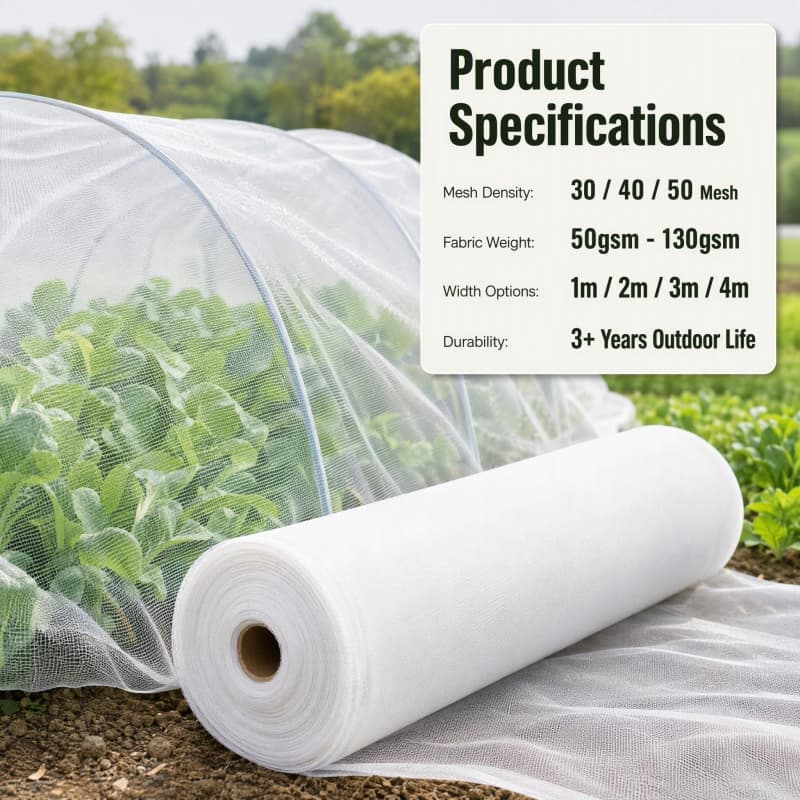
    Insect Netting: Benefits, Production Process, and Why Choose Anhui Heshun Insect netting is a practical, chemical-free way to protect crops, gardens, and greenhouses from pests. It helps keep insects away while allowing air and sunlight to pass through, supporting healthy plant growth. Key Benefits Helps protect crops from insects: Creates a physical barrier against many common pests. Can reduce pesticide use: Helps growers manage pests without relying as heavily on chemical sprays. Supports healthy growing conditions: Allows airflow and light to reach plants. Helps improve crop quality: Reduces pest damage and can help produce a cleaner, more consistent harvest. Versatile for different uses: Suitable for greenhouses, nurseries, gardens, orchards, and other agricultural applications. Reusable and easy to install: With proper handling, netting can be used across growing seasons. Production Process Quality insect netting begins with carefully selected materials. The material is extruded into fine, durable yarns, which are then woven or knitted into mesh. During production, the mesh size, width, color, and weight can be adjusted to suit different crops and applications. The finished netting is inspected for appearance, dimensions, and workmanship before being rolled, packed, and prepared for shipment. Choose Anhui Heshun Import and Export Co., Ltd. Anhui Heshun Import and Export Co., Ltd. specializes in insect netting. We offer factory-direct prices, competitive and affordable options, and quality-focused production. A range of specifications is available to meet different customer needs. Whether you are sourcing netting for a greenhouse, farm, distributor, or agricultural project, we aim to provide dependable products and responsive service. Contact Anhui Heshun Import and Export Co., Ltd. for product details and a quotation.
    Read More
  • Why Cheap Shade Nets Cost You More: The Hidden Risks of Loose Knit & Frayed Edges
    Why Cheap Shade Nets Cost You More: The Hidden Risks of Loose Knit & Frayed Edges
    Nov 11, 2026
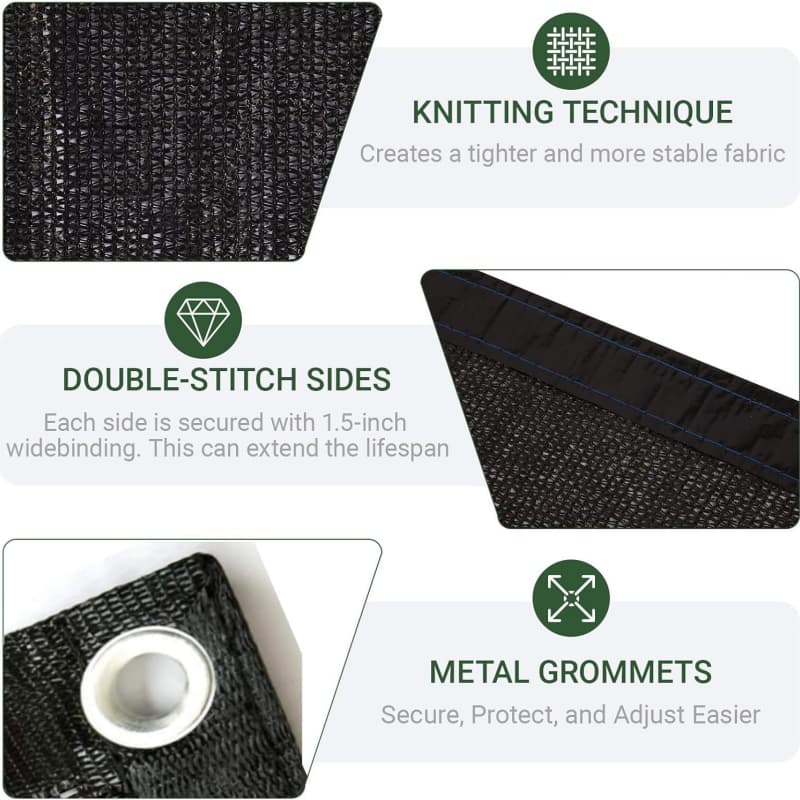
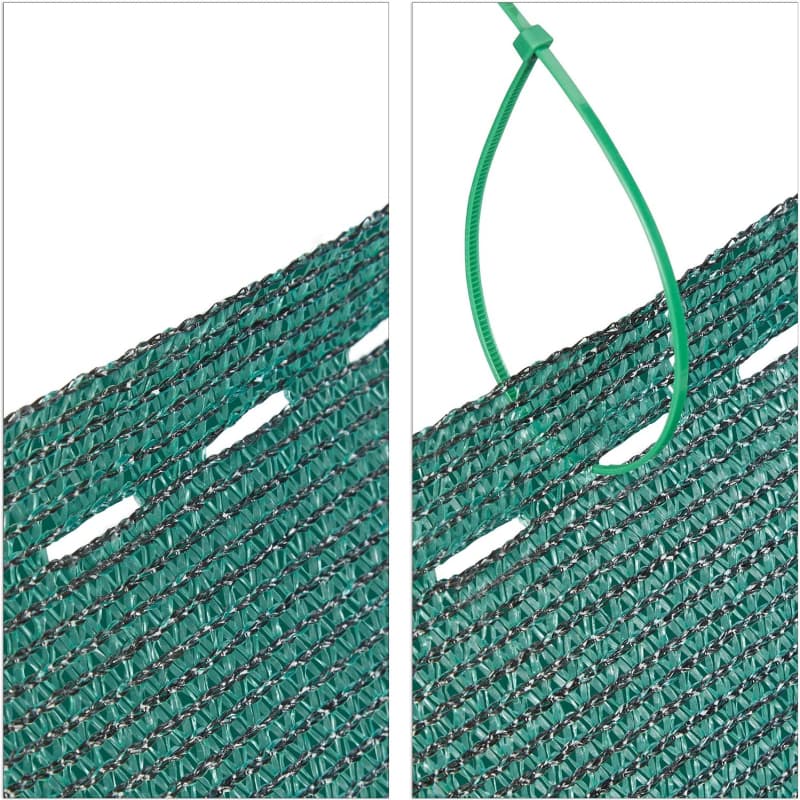
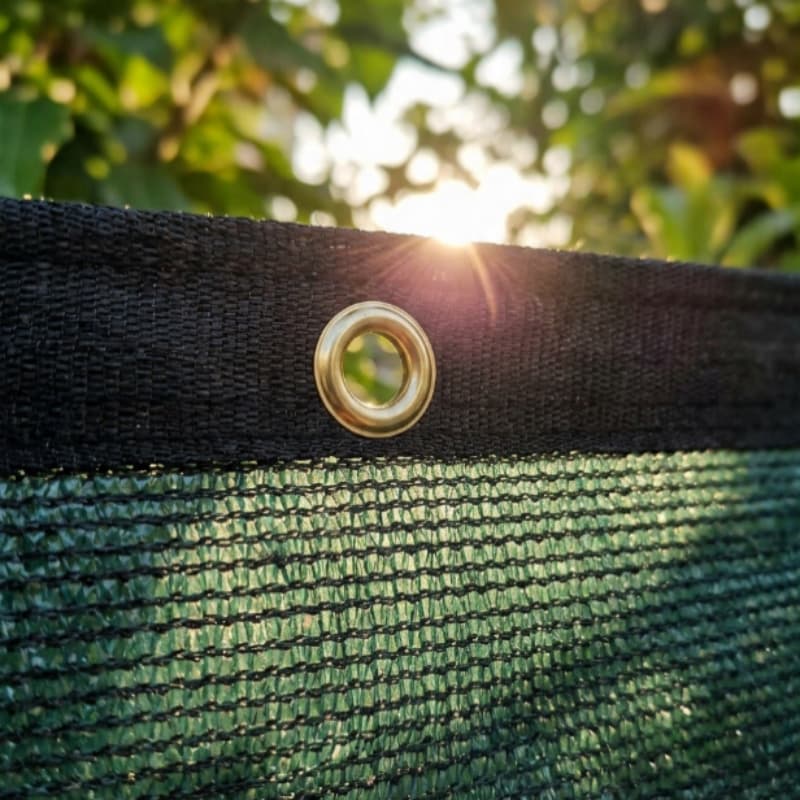
    When you shop for outdoor shading, the lowest price tag often catches your eye first. Many buyers pick cheap shade nets to cut upfront spending. But what looks like a good deal frequently turns into a costly headache. Frequent replacement, wasted labor for re-installation, damaged crops or uncomfortable shaded spaces all add up.   The failure of most low-cost shade nets does not happen by accident. It starts from basic structural flaws: loose knitting, thin unprotected edges and fragile plastic eyelets. Our heavy-duty knitted shade mesh tarp is built to fix these weak points. Today, we break down the hidden costs of cheap shade fabric and explain why investing in a well-constructed shade mesh tarp delivers better value over time.   The 3 Common Failures of Budget Shade Nets   Loose Knitting — Shade Rate Shifts & Fabric Stretches   Low-cost shade nets use loose, open knitting. The yarns are not locked tightly together. Once exposed to wind, heat and tension, the fabric stretches out. The original shade percentage changes unevenly across the sheet. Some spots become too bright, while others stay overly shaded. For farmers, this means inconsistent light for crops and livestock. For patio and commercial shading projects, the net sags, looks messy and loses its shading performance within months.   Our shade mesh tarp adopts tight knitting technique. Yarns are interlocked firmly to create a stable, dimensionally consistent fabric. It resists stretching and sagging, keeping your designed shade rate uniform year after year.   Unreinforced Edges — The First Place That Frayed   Edges are the weakest zone of any shade net. Budget options skip wide binding and double stitching. Once pulled during installation or caught in wind, the cut edges start unraveling. Small frays quickly turn into large rips. You may only get one or two seasons out of it before the whole tarp is unusable. Every replacement means new material cost plus labor to take down and rehang the shade.   We solve this with 1.5-inch wide binding and double-stitch sides. The reinforced border disperses pulling force evenly when you tension the tarp. It stops unraveling and edge splitting, greatly extending the service life under continuous outdoor exposure.   Flimsy Plastic Eyelets — Easy to Rip Out   Cheap shade nets usually come with thin plastic grommets. They crack under sunlight, or tear straight out of the fabric when you tighten ropes. When one grommet fails, the stress transfers to nearby mounting points, creating a chain reaction of tears. Re-drilling new holes is time-consuming and further weakens the mesh.   Our shade mesh tarp is fitted with sturdy metal grommets embedded into the reinforced binding. They hold tension securely. You can mount, adjust, remove and re-install the tarp repeatedly without pull-out or cracking.   Calculate the Hidden Expenses of Cheap Shade Nets   Let’s look beyond the initial price:   Material cost: Re-buying new shade nets every 1–2 seasons   Labor cost: Hours spent removing, disposing and re-installing replacement fabric   Loss risk: Sunburned crops, stressed livestock, ruined outdoor shading projects   Extra hassle: Emergency replacements before hot summer arrives   A low-quality net may cost less on day one, but its short lifespan creates recurring expenses. A premium reinforced shade mesh tarp costs more upfront but lasts far longer, lowering your total cost of ownership.   What Makes Our Knitted Shade Mesh Tarp a Smarter Investment   We designed this shade mesh tarp with those common pain points in mind:   Tight knitted HDPE fabric with UV stabilizer — anti-stretch, consistent shade rate, fade-resistant   1.5-inch wide binding + double stitching along all edges — anti-fray and anti-split   Heavy-duty metal grommets — reliable mounting points for repeated use   Breathable mesh structure — air flows through, reducing wind load and heat buildup   Custom shade rate and custom sizes available for wholesale bulk orders   It works perfectly for greenhouses, farm livestock shelters, pergolas, patios and commercial outdoor shading projects.   Who Should Choose This Reinforced Shade Mesh Tarp?   Agricultural growers who need stable shading for crops and animals   Patio builders, pergola contractors and outdoor service providers   Wholesale distributors sourcing durable shading products for resale   Any buyer who wants to avoid repeated replacement work and extra costs   Conclusion   Price is only one factor when selecting shading material. The true cost is measured by how long it performs and how much maintenance it demands. Cheap loose-knit shade nets bring quick savings at first, yet they fail fast and create unexpected trouble. If you want a reliable, low-maintenance shade solution that stays taut, keeps its shade rate and resists edge damage, our knitted shade mesh tarp with double stitching and metal grommets is a worthwhile investment.   Contact us today to get quotations and sample for your next shading project.  
    Read More
  • Why have to choice AH-HRS BRAND Shade net
    Why have to choice AH-HRS BRAND Shade net
    Nov 11, 2026
    About ANHUI HESHUN IMPORT AND EXPORT CO., LTD. ANHUI HESHUN IMPORT AND EXPORT CO., LTD. is a supplier of outdoor and agricultural mesh products, helping customers find practical, dependable solutions for a wide range of applications. Our product range includes shade nets, construction safety nets, bird nets, insect nets, weed mats, fencing nets, shade sails, and other outdoor products. We work with customers to match product specifications to their intended use, market, and budget. Why Work with Us? Virgin-material options: We offer products made with new, virgin raw materials for customers seeking consistent material quality and reliable performance. Reliable quality control: We pay close attention to product specifications and quality throughout the order process, helping ensure that goods meet agreed requirements. Prompt delivery: We coordinate production and shipping efficiently to support timely delivery and help customers plan their orders with confidence. Up-to-date market information: We share timely product and market updates so customers can make better-informed purchasing decisions. Smarter purchasing support: By keeping customers informed about market conditions and suitable order timing, we help them identify more cost-effective opportunities. Flexible product solutions: We can discuss different sizes, colors, weights, and specifications to better suit project needs and local market preferences. Practical application knowledge: From agriculture and gardening to construction, landscaping, and outdoor living, we help customers choose products that fit their intended application. Responsive communication: We value clear, timely communication and aim to provide helpful support from product selection through order follow-up. At ANHUI HESHUN IMPORT AND EXPORT CO., LTD., our goal is to build long-term partnerships through dependable products, efficient service, and useful purchasing support. We look forward to helping customers find the right outdoor solutions at the right time.  
    Read More
  • How to Choose the Right Shade Percentage for Aluminet Shade Net
    How to Choose the Right Shade Percentage for Aluminet Shade Net
    Nov 10, 2026
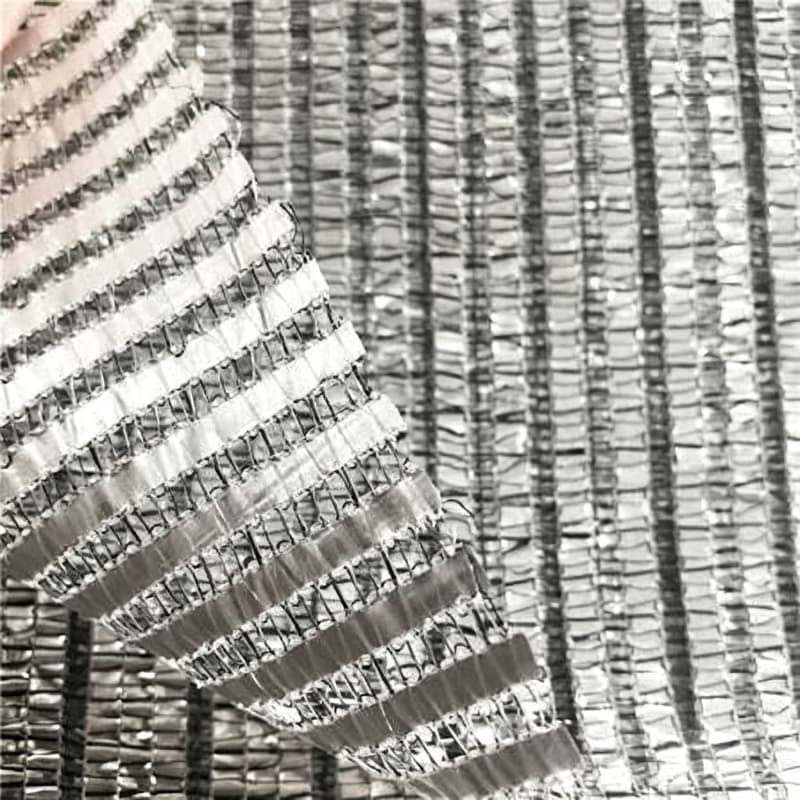
    Indoor aluminum shade net, also known as aluminet thermal screen, is favored by commercial growers for its heat-reflective performance and diffused soft light. But one question keeps coming up: what shade percentage should you order?   Shade percentage means how much light the aluminet blocks. Pick too low, and crops get sunburn and heat stress. Pick too high, and plants stretch, slow growth or reduce yield. Unlike ordinary black shade cloth, aluminet reflects infrared heat instead of absorbing it, so the cooling effect works better inside greenhouses, grow rooms and grow tents.   Below is our practical guide covering 30%, 50%, 70% and 80% shade rates, matched to your target crops.   30% Aluminet Shade Net   Best for light-loving fruiting crops that still need heat protection in peak sunny hours.   Vegetables: Tomatoes, peppers, cucumbers, eggplants   Berries: Strawberries, blueberries, raspberries   Notes: It blocks only harsh excess light while keeping enough PAR for fruit setting and sugar accumulation. Ideal for temperate climates or seasons with moderate sunshine.   50% Aluminet Shade Net   The most versatile all-round option, widely used in mixed planting and general nursery setups.   Vegetables: Lettuce, spinach, basil and other leafy greens   Seedlings: Hardened young plants, post-transplant acclimation   Berries: Berry plants in hot summer to prevent fruit sunscald   Medicinal plants: Medium-light medicinal herbs   Notes: Balanced diffused light + reliable cooling, perfect for most commercial indoor growing systems. It is the default choice for many greenhouse contractors.   70% Aluminet Shade Net   For shade-sensitive crops that cannot stand strong direct light.   Orchids: Phalaenopsis, dendrobium and other common tropical orchids   Seedlings: Tender cuttings, tissue culture plantlets   Medicinal plants: Light-sensitive medicinal varieties   Mushrooms: Auxiliary shading for oyster mushrooms and shiitake   Leafy ornamentals: Ferns, calatheas and anthuriums   Notes: Great for reducing leaf bleaching and heat shock. Suitable for hot regions or high-light grow room environments.   80% Aluminet Shade Net   Heavy shading for crops requiring low light and stable cool conditions.   Mushrooms: Main shading for mushroom fruiting rooms   Highly sensitive seedlings: Fragile germinating seeds and baby plantlets   Special medicinal plants: Shade-demanding rare medicinal crops   Jewel orchids and low-light tropical plants   Notes: Do not use for fruiting vegetables or berries. Too much shade will suppress photosynthesis and stop flowering or fruiting.   Shade Rate Core Crop Match 30% Fruiting vegetables, berries (tomato, pepper, strawberry) 50% Leafy greens, general seedlings, mixed herbs, common medicinal plants 70% Orchids, cuttings, tissue-cultured seedlings, shade-loving medicinal crops 80% Mushrooms, rare low-light medicinal plants, delicate germinating seedlings   Extra Tips for Selection   1.Climate matters: In hotter zones, you can upgrade one shade level higher for the same crop.   2.Grow light setup: For indoor grow rooms with powerful LED lights, you may need higher shade rate than sunlight greenhouses.   3.Installation gap: Keep air space between aluminet and plant canopy to get the best heat reflection and ventilation.   4.Custom support: We supply indoor aluminet shade net with all above shade rates, customizable sizes, grommets and flame-retardant treatment.   FAQ   Q: Can I change shade percentage after installation? A: If you use a retractable inner shading system, you can only deploy or retract the screen. For fixed hanging, you need to choose the correct shade rate before ordering.   Q: Is aluminet better than black shade cloth for these crops? A: Yes. Aluminet reflects heat away instead of trapping heat inside, creating cooler, diffused light conditions, which is friendlier for sensitive crops.   Q: Do you provide samples for shade rate testing? A: Samples are available. You can test the light transmission and cooling effect before bulk orders.  
    Read More
  • How UV Stabilized HDPE Bird Net Extends Service Life Across Multiple Growing Seasons
    How UV Stabilized HDPE Bird Net Extends Service Life Across Multiple Growing Seasons
    Nov 09, 2026
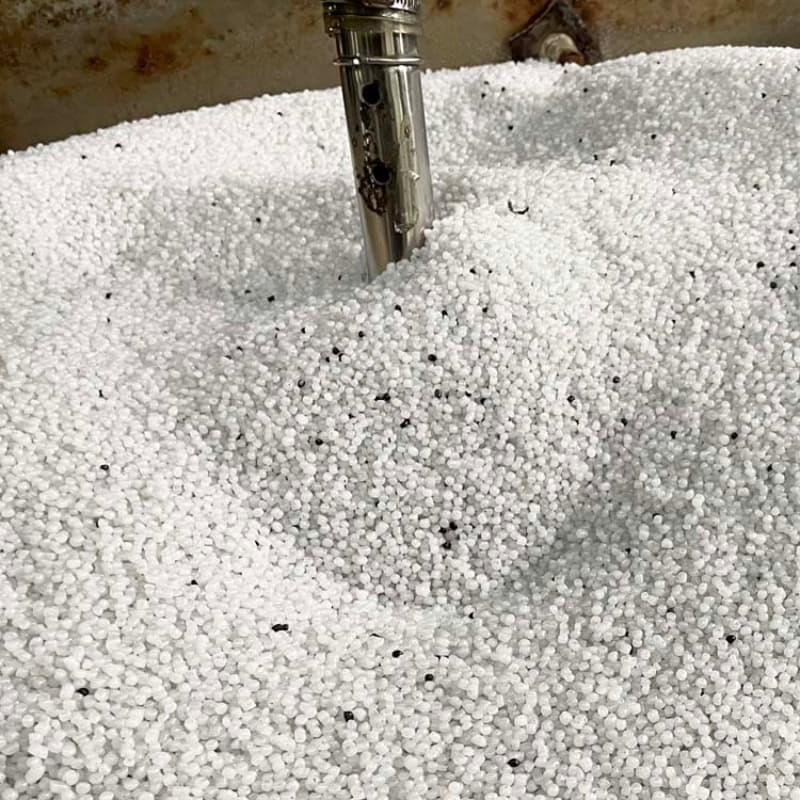
    If you’ve ever bought a low-cost anti bird net, you probably know the frustrating cycle: it works fine in the first season, turns brittle, cracks and tears by the second harvest. Many growers assume all HDPE bird nets are the same. The hidden difference lies in how UV protection is added.   Not all UV treatment delivers the same lifespan. Cheap nets only spray UV coating on the surface. Premium nets mix UV masterbatch into HDPE resin before extrusion. This single technical gap decides whether your bird net lasts one season or can be reused for years. In this article, we break down the aging mechanism, compare two UV treatment methods, and explain how the right UV-stabilized bird net cuts your long-term farm cost.   What Makes Plastic Nets Break Down Outdoors?   The main culprit is ultraviolet radiation from sunlight. UV rays break the molecular chains of polyethylene. When these chains split, the material loses flexibility and tensile strength. The net becomes stiff, brittle, easy to crack under wind, rain and temperature changes.   Other harsh conditions speed up aging further:   Strong direct sunlight: Orchards in high-UV regions face faster degradation.   Coastal environments: Salt spray combines with UV to accelerate material damage.   Heavy rainfall & high humidity: Constant moisture weakens surface coatings.   Wind friction: Branches, supports and gusts wear away thin outer layers.   Surface-treated nets fail quickly in these environments. UV protection disappears once the outer layer wears off.   Surface UV Coating vs Masterbatch UV Blending   Surface-sprayed UV coating (Common on cheap bird nets)   UV agent is only sprayed onto the finished net surface.   The protective layer is extremely thin.   It can be washed off by rain, rubbed off during installation or contact with branches.   Once the coating wears away, raw HDPE is exposed directly to UV.   Typical service life: 1–2 growing seasons. After that, the net turns brittle and splits easily.   Downside: Low upfront price, but frequent re-purchases and extra labor raise your total cost year after year.   UV masterbatch blended into virgin HDPE resin (Our production method)   UV stabilizer masterbatch is mixed evenly with HDPE pellets before filament extrusion. The anti-UV ingredient exists inside every fiber, not only on the skin.   Protection runs through the whole cross-section of the thread. Scratches, friction and rain will not remove the UV formula.   Even if the surface is slightly worn, the inner material still retains anti-aging performance.   Consistent tensile strength and flexibility after years of outdoor exposure.   Typical service life: 3–5 years under normal outdoor conditions, reusable across many harvest cycles.   Downside: Slightly higher initial cost, but much better value for long-term planting projects.   Performance in Different Tough Outdoor Environments   High-sunlight orchards & vineyards Continuous strong UV is the biggest test. Masterbatch blended nets maintain flexibility, while sprayed nets go brittle after one or two summers.   Coastal farms with salt air Salt particles corrode surface coatings rapidly. Integral UV protection inside the fiber resists combined damage from salt and sunlight.   Rainy, humid planting zones Frequent rain washes away surface additives. Our UV-stabilized HDPE net keeps its integrity without relying on an outer coating.   Windy sites Repeated stretching and friction will scratch the net. Surface coating falls off fast, but internally blended UV protection stays effective.   Reusable Design = Lower Long-Term Cost   A durable UV-stabilized anti bird net is not a one-time consumable. After harvest, you can carefully remove, clean, fold and store it properly. It is ready for installation again next growing season.   Let’s compare the economics:   Cheap coated net: Buy new every 1–2 years, repeated material cost + labor cost for replacement.   Masterbatch UV HDPE net: One purchase, reuse for 5+ seasons. Less frequent ordering, less installation labor, less waste.   For large orchards, vineyards, aquaculture farms and greenhouse projects, this saving adds up significantly. It is a cost-effective investment instead of a recurring expense.   Quick Buying Checklist for Farmers & Distributors   When you source HDPE anti bird net, ask your supplier these questions:   1.Is UV stabilizer blended into the raw material, or only sprayed on the surface?   2.Is it made from virgin HDPE or recycled material?   3.What is the guaranteed service life under full sun exposure?   4.Can the net be folded, stored and reused season after season?   Conclusion   UV protection is not just a marketing buzzword. It is the core difference between a disposable net and a long-lasting crop protection asset. Surface coating fades fast under sun, rain and friction. UV masterbatch blended HDPE locks anti-aging performance inside every filament, standing up to strong sunlight, coastal salt, heavy rain and wind.   Choosing our UV stabilized HDPE anti bird net means you get reliable bird exclusion year after year, reduce repeated purchasing work, and cut your overall farm protection cost.   FAQ   Q: Does black color equal better UV resistance? A: Black pigment helps absorb UV, but pigment alone cannot replace UV stabilizer masterbatch. A black net with only surface UV coating will still turn brittle quickly.   Q: Can I leave the net outside all year round? A: It can stay outdoors, but we recommend taking it down and storing it in a cool dry place after harvest to maximize its service life.   Q: Is knotted or knotless net better for long-term outdoor use? A: Both are available with our UV blended HDPE formula. Knotted net has higher tear resistance for windy areas; knotless net has lower bird entanglement risk for orchards.  
    Read More
  • Can Anti Insect Net Reduce Pesticide Use on Crops
    Can Anti Insect Net Reduce Pesticide Use on Crops
    Nov 06, 2026
    Organic growers, greenhouse operators and commercial farmers keep asking one practical question: can anti insect net reduce pesticide use on crops?   The short answer is yes. When installed and managed correctly, anti insect net can greatly lower or even remove the need for regular insecticide sprays. It is one of the most widely adopted physical pest control tools in sustainable and organic agriculture worldwide.   Traditional pest control depends heavily on repeated pesticide spraying. Synthetic pesticides kill target pests, but also harm beneficial pollinators, break down soil health, leave chemical residues on harvests and speed up pest resistance. For organic growers, the choices are even more limited. Approved organic insecticides still need frequent application and raise production costs.   Anti insect net works on a different principle. It does not kill insects; it blocks them from reaching crops in the first place. High-quality HDPE UV-stabilized anti insect net forms a continuous physical barrier to stop aphids, whiteflies, thrips, cabbage moths, leafminers and other common pests before they lay eggs or feed on plants. It also blocks insect vectors that spread plant viruses, which are very hard to cure with pesticides.   The level of pesticide reduction depends on mesh size, installation quality, crop type and local pest pressure. Many field reports show properly sealed anti insect net can reduce pesticide use by 40 to 90 percent for leafy vegetables, nursery seedlings and berry crops. Some closed greenhouse systems with full net enclosure can run nearly pesticide-free for the whole growing season. This is a huge advantage for organic certification, export produce that meets strict MRL limits and brands selling residue-free vegetables and fruits.   Lower pesticide use brings multiple clear benefits for growers. First, you spend less money on chemicals and cut labor hours for spraying. Second, crop quality improves with fewer insect scars and less chemical residue; your products gain higher market value. Third, you protect pollinators, soil microbes and nearby water sources, supporting a healthier farm ecosystem. Fourth, you avoid the risk of failed batches caused by pesticide residue violations, which is a major headache for export orders.   Even so, anti insect net is not a magic solution that works perfectly in every situation. It cannot control soil pests or diseases that spread by wind, water or contact. Poor installation with gaps, torn mesh or loose edges lets pests sneak in and forces you to spray again. A mesh that is too fine may block too much light or reduce airflow and create humid conditions that encourage fungal disease. That is why mesh size selection is critical. 20 mesh works for larger pests. 30 mesh suits general vegetable protection. 40 mesh and 50 mesh are required to block tiny pests such as whiteflies and thrips.   Many organic farms combine anti insect net with IPM, integrated pest management, including sticky traps, crop rotation and biological predators to keep pesticide input at the lowest level.   Choosing the right anti insect net material also matters for long-term pesticide reduction. Virgin HDPE net with UV stabilizer stays strong and keeps consistent mesh shape for multiple growing seasons. Cheap recycled net turns brittle quickly, develops holes and loses its exclusion effect after a few months, forcing you back to frequent spraying. Replacement cost and quality instability will erase the savings from less pesticide use.   For organic growers, this physical barrier fits perfectly within organic standards. Unlike chemical treatments, anti insect net does not introduce foreign substances into crops, soil or environment. It helps you maintain organic compliance while stabilizing yield and reducing crop loss from pest outbreaks. Many small gardeners and large commercial greenhouse operators now use anti insect net as their first line of pest control instead of spraying as the default option.   FAQ   How much pesticide can anti insect net reduce? With full tight enclosure and suitable mesh size, many vegetable farms see 40 to 90 percent less pesticide application. Some closed screenhouse systems achieve pesticide-free production.   Can anti insect net replace pesticides completely? It can eliminate insecticide sprays for airborne pests, but it cannot manage soil pests, fungal diseases or existing infections inside the covered area. Most growers use it as part of an integrated pest management plan.   Which mesh size is best for organic farming to cut pesticide use? 40 mesh is the most popular general choice for greenhouses, leafy greens and fruiting vegetables. 50 mesh is recommended if whiteflies, thrips or aphids are the main threat.   Does anti insect net affect pollination? For self-pollinating crops such as tomatoes, peppers and beans, pollination is not a big problem. For crops that need bee pollination, you can open the net during pollination hours or place beehives inside the netted enclosure.   What common mistakes stop anti insect net from reducing pesticide use? Gaps around doors, vents and ground edges, torn low-quality net, wrong mesh size and poor ventilation that triggers fungal disease are the top reasons growers still need to spray frequently.   Closing   Anti insect net can definitely reduce pesticide use on crops, and it is a powerful foundation for organic, low-residue farming. Its value comes from physical exclusion rather than chemical killing. To get the best result, pick the right mesh size, use UV-stabilized virgin HDPE material, seal all gaps and match it with good farm management. If you supply organic growers, greenhouse farms and vegetable exporters, high-quality anti insect net is a product that aligns perfectly with the global trend toward sustainable agriculture.  
    Read More
  • How to Install HDPE Privacy Mesh on a Chain Link Fence
    How to Install HDPE Privacy Mesh on a Chain Link Fence
    Nov 05, 2026
    A chain-link fence is practical and affordable, but its open weave offers little privacy. If you want to turn your backyard, garden or patio into a secluded relaxing space without replacing the whole fence, an HDPE privacy mesh screen is the ideal solution. Lightweight, breathable and UV-resistant, this fence screen is simple to mount. Below is our complete installation guide to help you get a neat, long-lasting finish.   What You Will Need   HDPE privacy fence screen (with pre-punched reinforced holes)   Measuring tape   Scissors or utility knife (if trimming is needed)   Your preferred fasteners for securing the mesh   Level   Marker     Tip: Check your fence frame condition before you start. Repair any bent or loose fence rails first to create a stable mounting base.   Step 1: Take Accurate Measurements   Measure the height and length of the chain-link section you plan to cover. Double-check twice:   Measure the vertical height from top rail to bottom rail   Measure the horizontal length along the fence line   When selecting your screen size, we recommend leaving a small margin rather than cutting it too short. You can trim extra material later. Avoid buying a screen that is exactly tight to the inch; outdoor materials expand and contract with temperature changes.   Step 2: Prepare the Privacy Screen   Unroll and lay out the mesh on a flat, clean grass or patio surface to remove wrinkles. Align the reinforced edge with pre-punched holes along the top fence rail. The reinforced border is designed to bear tension, so always use this edge for mounting instead of the cut raw edge. If your screen needs to be shortened to fit your fence dimension, use a sharp utility knife to trim the mesh. After cutting, handle the cut edge carefully to reduce loose threads.   Step 3: Align and Attach the Top Edge   Have a helper hold the screen up against the chain-link fence for easier alignment. Line up the first row of mounting holes with the top rail of the fence. Fasten the screen at the starting corner first. Work slowly from one side to the other, adding fasteners through the pre-punched holes at regular intervals. Pull the mesh gently to keep it flat, but do not over-stretch it.   Step 4: Secure the Sides and Bottom   Once the top edge is fixed, move to the vertical side edges and the bottom rail. Keep consistent tension across the whole surface. Too much tension may tear the mesh on hot days; too loose will make it flap heavily in wind. Space your fasteners evenly for balanced support. This prevents sagging and keeps the screen looking tidy all year round.   Step 5: Final Adjustments & Check   Walk along the fence and inspect the whole installation:   Confirm the mesh lies flat without big wrinkles   Check all connection points are firmly fixed   Make sure there is no excessive pulling on any single hole   Trim away any excess mesh that drags on the ground (ground contact speeds up dirt buildup and wear)   Pro Tips for Longer Service Life   Leave slack for wind and temperature change Unlike solid tarps, this HDPE mesh is breathable. A small amount of slack helps it absorb wind force and reduces tearing risk.   Avoid sharp edges Watch for sharp metal burrs on the chain-link fence. File rough spots before installation to prevent the mesh from being snagged and ripped.   Regular quick check Once or twice a year, glance over the attachment points. Re-secure any loose spots after storms.   Clean easily You can rinse the mesh with low-pressure water to wash away dust and leaf debris. No complicated maintenance required.   Closing   Installing privacy screen on a chain-link fence is a beginner-friendly outdoor project. It brings instant privacy and soft shade while preserving airflow. With proper measurement, gentle tension and even fastening, your HDPE privacy mesh will stay in good shape through sun, rain and wind for seasons to come. It is a simple, low-cost upgrade that completely changes how you enjoy your outdoor space.  
    Read More
  • Scaffolding Debris Netting: Cut Construction Site Hazards, Liability and Injury Risks
    Scaffolding Debris Netting: Cut Construction Site Hazards, Liability and Injury Risks
    Nov 04, 2026
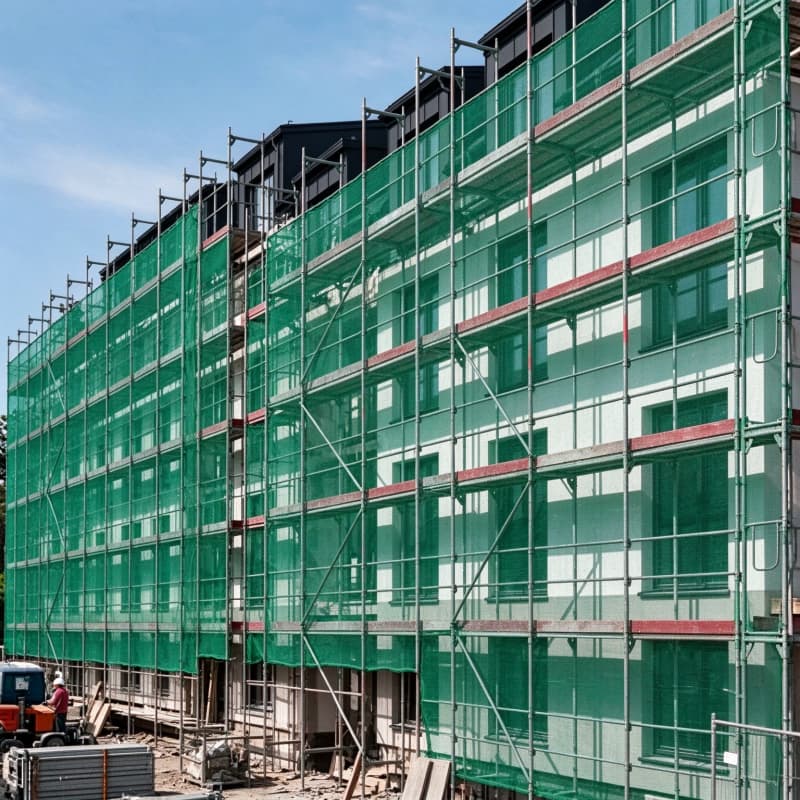
    Construction sites are busy, dynamic work zones. Falling rubble, loose tools, paint splatters and flying dust are constant hazards for ground workers, pedestrians, and adjacent properties. Many project teams focus heavily on fall arrest systems to protect workers who are working at height, yet overlook one simple, cost-effective layer of protection: quality scaffolding debris netting.   A properly fitted HDPE construction safety net is far more than just a plastic mesh screen for keeping dust contained. It is a risk-mitigation tool that supports site safety compliance, cuts down on accident reports, and limits your company’s legal and financial liability when incidents happen. In this post, we break down the real risks debris netting addresses, how it protects your team and the public, and what to look for to make sure your netting performs when you need it most.   What Hazards Does Scaffolding Debris Netting Control?   Debris netting is designed to contain falling materials on scaffolding, and it targets four of the most common recurring hazards on residential and commercial building sites.   1. Falling construction debris and small tools   Brick fragments, concrete chips, nails, screws, broken tile, scrap metal and hand tools are among the most frequent falling objects on scaffolding. Even a small fastener dropped from several floors up gains enough force to cause serious injury or permanent harm.   A heavy-duty scaffolding debris net creates a continuous containment barrier along the scaffolding frame. It catches lightweight and medium-weight falling materials before they reach ground level. It does not replace professional fall arrest netting for human fall protection — this is a critical distinction — but it stops object strikes, which are one of the top causes of construction site injuries to ground crew and passersby.   2. Dust, paint and construction residue migration   Renovation, demolition, sanding and exterior coating work generates huge volumes of fine dust, cement powder and paint overspray. Without a debris barrier, these particles drift onto nearby homes, parked vehicles, public walkways and neighbouring businesses. Complaints from residents often lead to stop-work orders, fines and expensive clean-up claims. UV stabilized HDPE debris netting acts as a semi-permeable barrier: it allows airflow to prevent wind load build-up on scaffolding, while trapping most fine particulate and spray. This keeps the site tidy and reduces nuisance claims from the surrounding community.   3. Wind-borne material loss   On open or exposed sites, loose lightweight materials such as insulation, plastic sheeting and packing waste can be picked up by wind and blown off scaffolding. This creates litter across the neighbourhood and can even create hazards on nearby roads. Taut, well-secured construction safety net holds loose materials within the scaffolding bay and keeps site waste contained.   4. Uncontrolled public access exposure   Many building sites run alongside public footpaths. Clear, obvious scaffolding screening visually marks the work boundary. Pedestrians can instantly see that the area behind the mesh is an active construction zone. This visual deterrent reduces accidental wandering into dangerous work zones.   Lower Liability: Compliance, Insurance and Incident Response   Safety compliance is not just paperwork. It directly shapes what happens if an accident occurs.   Most regions, including the UK, EU countries, Australia and parts of North America, outline requirements for edge protection and debris containment on elevated scaffolding. Using approved, fit-for-purpose scaffolding debris netting demonstrates that your business followed recognised safety codes.   If an object-strike injury or property damage claim arises, site records showing you installed suitable debris containment will support your case. On the flip side: missing, torn, or substandard netting can be used as evidence that reasonable safety precautions were not taken. This raises the risk of heavy fines, insurance premium hikes, or costly compensation payouts.   Many construction insurers now recognise debris netting as a valid risk-control measure. Consistent use of quality flame retardant scaffolding safety net can help you show your insurer you are actively managing site hazards, which may support better insurance terms over time.   The Difference Between Cheap Mesh and Reliable Debris Netting   Not all construction safety net delivers the same risk reduction. Low-cost thin mesh may look identical at first glance, but it fails quickly on site:   Poor UV resistance means the net becomes brittle and tears after a few months of sun exposure. Once ripped, it offers zero containment.   Weak stitching and thin selvedge edges split under wind pressure or when debris lands on the mesh.   Non-flame-retardant versions can spread fire risk when hot work, welding or cutting takes place nearby.   For liability protection, choose HDPE debris netting with:   UV stabilised raw material for long outdoor service life   Reinforced, stitched edges to resist tearing   Flame retardant treatment for sites with hot works   Appropriate GSM weight (100gsm to 150gsm is standard for scaffolding debris containment)   Consistent mesh structure without large holes or defects   A low-quality net that fails mid-project creates a false sense of safety. It makes your site look compliant while offering almost no real protection, leaving you exposed to exactly the liability you are trying to avoid.   Best Practices to Maximize Safety and Liability Protection   Buying the right net is only half the job. Installation and regular inspection determine whether the system works as intended.   Stretch the netting taut along the full scaffolding bay, with no sagging pockets. Loose, baggy netting can catch wind and tear, or let debris slide out through gaps.   Overlap panels properly and secure every fixing point. Gaps between separate sheets are the most common failure point.   Schedule weekly visual checks. Look for rips, frayed stitching, loose fixings and sun degradation. Replace damaged panels immediately and keep inspection logs for compliance records.   Train your site team on what the debris net can and cannot do. Reinforce this rule: debris netting catches rubble and tools. It is NOT designed to catch falling workers. Always install separate certified fall arrest netting where fall risks for personnel exist.   Remove accumulated debris regularly. Heavy build-up of rubble on the mesh can overload it and cause rupture.   Final Thoughts   Construction safety success is built on layers of protection. Guardrails, PPE, fall arrest systems and debris netting each have a specific role.   Scaffolding debris netting is an affordable, simple addition that targets object strike risk, dust nuisance and public exposure. When you use a durable, properly installed HDPE construction safety net, you protect your workers, members of the public, your client’s property, and also protect your business from regulatory penalties and expensive liability claims.   For contractors and site managers, the takeaway is straightforward: debris netting is not an optional cosmetic add-on. It is a core site safety control measure.   If you are sourcing bulk scaffolding debris netting for multiple projects, work with a supplier that can provide consistent UV-stabilised, flame retardant mesh in blue or green options, with reliable batch quality for every job site.  
    Read More
  • Elevate Your Backyard Aesthetics With Dark Green Privacy Fence Screen
    Elevate Your Backyard Aesthetics With Dark Green Privacy Fence Screen
    Nov 03, 2026
    If you’ve shopped for backyard privacy solutions before, you’ve probably noticed the same two dominating color choices: plain black and pale lime green. Black looks bold at first glance, but it absorbs intense sunlight, heats up your space, and can feel heavy, harsh, and boxy against soft garden greenery. Light green fades quickly under UV rays, turning dull, greyish and cheap-looking after just one season.   There is a quieter, far more elegant option most shoppers overlook: dark green privacy fence screen. This rich, muted shade blends seamlessly with your landscape, adds layered depth to your outdoor space, and gives you private sight barrier without building an imposing wall. It is not just a fence covering — it is an easy landscaping upgrade that ties your whole yard design together.   What Makes Dark Green Stand Out From Black & Light Green   Many homeowners pick color based only on what is available, not how it will live in their yard all year round. Let’s break down the differences:   Black privacy screen: High contrast, heavy heat absorption. It works for ultra-modern hardscaping, but it can visually shrink small yards and clash with leafy plants, wooden decks and natural stone.   Light green privacy screen: Bright at first, prone to fast fading. After months of sun exposure, it loses its vibrancy and looks worn.   Dark green privacy screen: A balanced middle ground. It reads as part of the garden rather than an add-on plastic sheet. The deep tone hides dirt and minor dust better, and premium UV-stabilized HDPE material holds its color much longer.   Our dark green fence screen uses high-density polyethylene mesh. It blocks unwanted views while keeping airflow moving through, so you get privacy without trapping hot air or risking fence damage from wind load. It functions as a reliable windscreen fence and shade mesh while prioritizing curb appeal.   Landscape Pairing Ideas for Dark Green Privacy Fence Screen   This color is incredibly versatile. Here are our favorite matching combinations you can copy for your patio, balcony or backyard:   Natural wood fences & cedar decks Deep dark green complements warm cedar, teak and treated timber beautifully. It softens the sharp industrial look of a chain link fence without competing with the warm wood tones. This combo is one of the most popular picks for residential yards.   Grey pavers, concrete patios & stone hardscaping Cool grey stone and grey paving balance the rich green perfectly. The screen adds a natural pop of color to neutral hardscape, preventing your patio from feeling cold and sterile.   Plant beds, shrubs and climbing vines Dark green layers beautifully with all plant types: ferns, boxwood hedges, palm trees, climbing roses and native foliage. Unlike black which cuts off your green view, this screen merges into your planting bed, creating a continuous green oasis.   Neutral outdoor furniture (beige, rattan, charcoal) Rattan sofas, cream outdoor cushions and charcoal dining sets all pair effortlessly. You get a calm, cohesive resort-style backyard that feels intentional, not random.   It also shines in seasonal shifts. In summer, it harmonizes with full green foliage. In fall, it still looks polished against orange and brown fallen leaves, and it stays classy through bare winter branches. It does not look out of place any month of the year.   Beyond Looks — Practical Benefits of Our Dark Green HDPE Privacy Mesh   Great aesthetics should not come at the cost of performance. This heavy-duty dark green privacy fence screen is made from UV stabilized HDPE, designed for long-term outdoor use.   Blocks neighbours’ lines of sight while remaining breathable   Wind passes through the mesh, reducing tearing risk on windy sites, pool areas and coastal yards   Resists fading, mildew and weather damage   Simple to install on chain link fences, metal railings, balcony decks and perimeter fencing with included zip ties   Works as both privacy barrier and light shade mesh to cut harsh glare   Unlike solid privacy panels or wooden fences, this mesh solution is lightweight, removable and budget-friendly. It is ideal for renters, DIY landscapers and anyone wanting a quick yard refresh without major construction.   Common Design Mistake To Avoid   A frequent landscaping mistake: choosing a privacy screen color that fights your garden instead of supporting it. If your yard is full of plants and natural materials, a harsh black screen will draw all the attention to the fence itself. The goal of privacy screening should be to hide unwanted views, not become an eyesore. Dark green solves that. It recedes gently into the background so your flowers, trees and outdoor living area stay the focus.   Conclusion   Backyard privacy does not have to mean sacrificing style. Dark green privacy fence screen is the underrated landscaping hero for anyone wanting a natural, refined outdoor space. It strikes the sweet spot between function and beauty: dependable privacy, good airflow, strong UV resistance, and a timeless colour that complements nearly every garden style.   Whether you are updating a chain link fence, adding privacy to a balcony, creating a quiet pool nook, or just softening the look of your backyard perimeter, this HDPE shade mesh is worth considering over overused black or pale green alternatives.   Ready to transform your outdoor space with a cohesive natural look? Explore our range of dark green privacy fence screens in multiple sizes for residential and commercial fencing projects.      
    Read More
  • How Black HDPE Shade Net Helps Cut Farm Energy Costs Without Power
    How Black HDPE Shade Net Helps Cut Farm Energy Costs Without Power
    Nov 02, 2026
    Energy bills are one of the biggest recurring headaches for modern farms and greenhouse operators. Evaporative cooling pads, exhaust fans and barn cooling systems run nonstop through heatwaves, pushing operational costs higher year after year. Many growers immediately look for bigger pumps or upgraded electrical equipment. But there is a quieter, zero-power solution already widely trusted by commercial growers: black HDPE shade net.   It does not need wires, controllers or fuel. By intercepting intense solar radiation before it hits your crops, livestock or greenhouse roof, this simple knitted mesh creates a milder microclimate and cuts how often your cooling gear turns on. In this post, we break down how black shade net saves energy, what measurable benefits you can expect, how to pick the right shade rate, and why it fits perfectly into sustainable, low-carbon farm planning.   1. Passive Cooling: How Black Shade Net Works (No Electricity Required)   A common quick assumption: black absorbs heat, so black shade net will make the space underneath hotter. This is only partially true and misses the core physics.   Black HDPE shade net absorbs most incoming infrared and UV radiation directly on the mesh surface, then releases much of that heat upward into open air, rather than letting solar radiation penetrate down to leaves, soil or animal skin. It blocks radiant heat load — the main driver of overheating in greenhouses and livestock shelters.   Quality UV-stabilized black shade net can reduce under-canopy temperature by 3–8°C in peak sunny hours, depending on shade percentage, installation height and airflow conditions. When the baseline temperature stays lower, your fans and cooling pads cycle less frequently. Less runtime = less kWh consumed.   Unlike solid tarps, knitted shade mesh stays breathable. Air moves freely through gaps, so trapped hot air does not build up underneath. That balance of light blockage + airflow is what makes it a far better passive cooling tool than plastic sheets or canvas.   2. Three Big Energy & Resource Savings on Your Farm   2.1 Lower electricity for greenhouse and livestock cooling   For commercial greenhouses, summer cooling loads drop noticeably once overhead black shade net is installed. Many growers report meaningful electricity savings during hot seasons, because cooling systems only activate when internal temperature crosses a set threshold. For poultry, dairy and cattle shelters, shade reduces heat stress; heat-stressed livestock breathe faster and barns require continuous ventilation to keep mortality and production stable.   Black shade net acts as your first line of thermal defence, reducing the burden on all powered climate gear.   2.2 Less irrigation, saving water + pumping energy   Direct sunlight speeds up evapotranspiration sharply. Crops under proper shading lose less moisture from leaves and topsoil. Field data shows correctly selected shade net can cut irrigation demand by 20–30% in high-light regions. Less water pumped from wells or reservoirs means less electricity used by water pumps. This is an often-overlooked secondary energy saving.   2.3 Reduced crop stress = fewer secondary inputs   Heat-stressed plants are weaker, more vulnerable to sunscald and disease. Consistent mild microclimates under black shade net reduce crop loss and cut back on extra sprays, emergency watering and replacement seedlings. While not pure “energy saving”, it stabilizes your whole farm operation and prevents costly emergency workloads.   3. Match Shade Rate to Your Operation for Maximum Efficiency   One size does not work. Choosing the wrong shade percentage wastes its cooling potential:   30%–40%: Leafy greens, herbs, young orchard trees. Gentle cooling, preserve most usable light. Good if you only want to reduce peak heat without slowing growth.   50%–60%: Tomato, pepper, nursery seedlings, most greenhouse vegetables. The most popular balance of cooling and photosynthesis.   70%–80%: Poultry houses, cattle shade areas, sensitive shade-loving crops. Strong radiant heat blockage for livestock heat stress control.   90%: Heavy shelter, temporary construction shading, sensitive propagation. Low light, maximum cooling.   Key note: install the net high enough above crops or animals. Leave air space between mesh and canopy. If you lay shade net directly on plants, trapped heat and poor airflow will erase the energy-saving benefits.   4. Why UV-Stabilized Virgin HDPE Matters for Long-Term Sustainability   Cheap shade net made from recycled low-grade HDPE loses UV additives quickly. It turns brittle, tears within 1–2 seasons, and you must buy, transport and reinstall replacement rolls repeatedly. That extra manufacturing and transport adds carbon emissions and defeats your low-cost, low-carbon goal.   Premium black shade net uses virgin HDPE mixed with UV stabilizers and anti-oxidants. It can deliver consistent shading performance for 4–6 years outdoors. Longer service life means fewer replacements, less plastic waste and better ROI. At end of service life, clean HDPE shade net is recyclable, fitting circular agriculture.   5. Where Else Zero-Power Black Shade Net Adds Value   It is not limited to crop rows:   Over parking areas for farm trucks and equipment   Temporary construction dust and heat shading   Outdoor packing zones and worker rest areas   Fish pond shading to slow algae bloom and reduce water temperature swing   All these spots benefit from reduced heat load, without running any cooling hardware.   FAQ   Q: Is black shade net hotter than white shade net underneath? A: White net reflects sunlight; black absorbs it at the mesh layer. In very extreme hot-arid climates, reflective white or aluminized net can run slightly cooler directly under the fabric. But black shade net delivers more consistent shading uniformity, lower price and better dirt hiding performance, and remains the dominant choice for most general agricultural cooling projects.   Q: Can shade net fully replace fans and cooling pads? A: No. It is a passive pre-cooling tool, not a full climate system. It reduces peak heat load and cuts operating hours, especially critical during midday heat spikes. Most successful setups combine overhead black shade net with natural ventilation and existing cooling systems.   Q: Will shade net block rain? A: Knitted HDPE shade mesh is permeable. Rainwater passes through freely, avoiding ponding under the cover.   Conclusion   Sustainable farming is not always about expensive solar arrays or high-tech automation. Sometimes the most practical low-carbon upgrade is simple, low-tech hardware: black UV stabilized HDPE shade net.   It requires no power supply, blocks damaging solar radiation, eases the load on your cooling and irrigation systems, and supports healthier crops and livestock. When sourced with virgin HDPE and proper UV treatment, it delivers years of passive cooling, lower utility bills and a smaller farm carbon footprint.   If you are sourcing bulk black shade net with custom shade rates, sizes and reinforced eyelets for greenhouse, livestock or orchard projects, reach out to our team for specifications and wholesale pricing.
    Read More
1 2 3 4 5 6 7 8 9 10 13 14
A total of14pages

leave a message

leave a message
If you are interested in our products and want to know more details,please leave a message here,we will reply you as soon as we can.
submit

Home

Products

whatsApp

contact