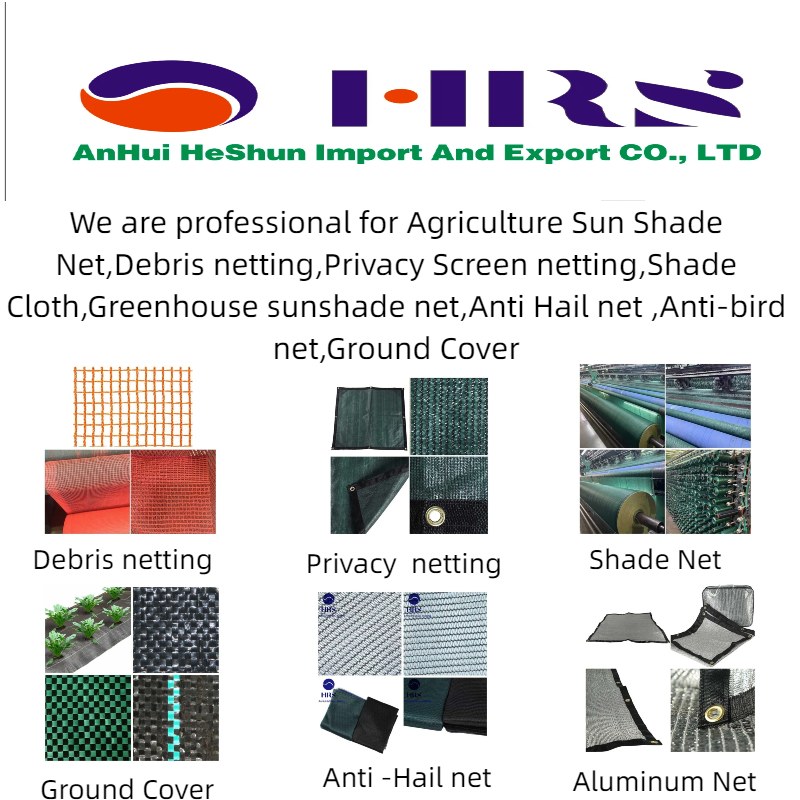
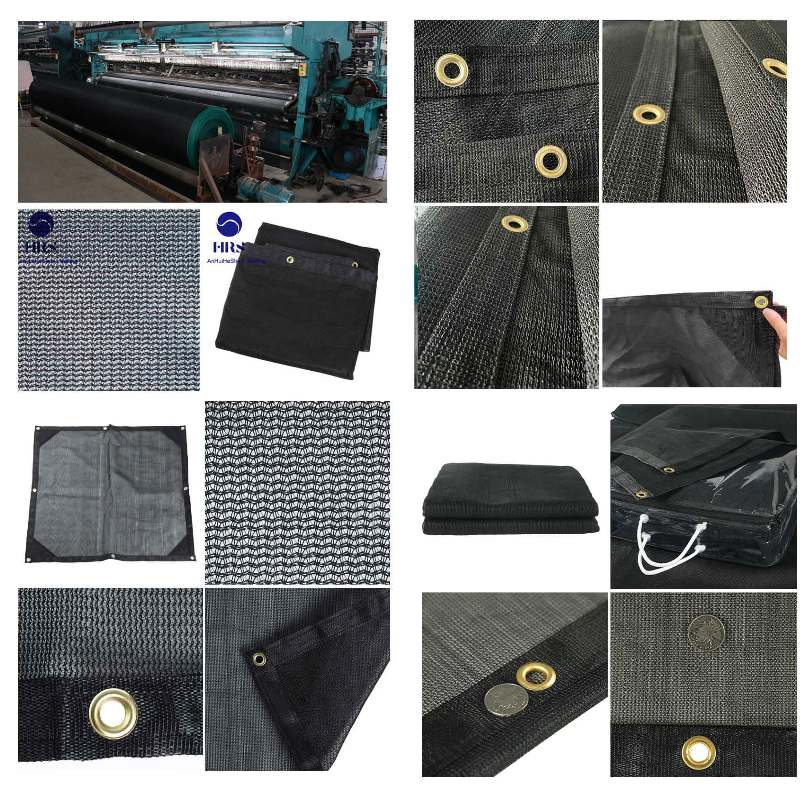
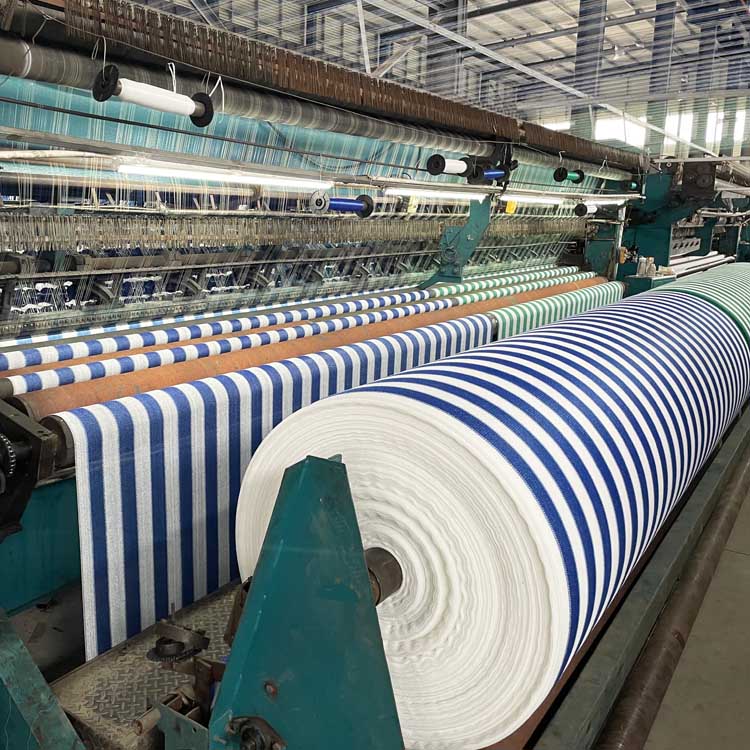
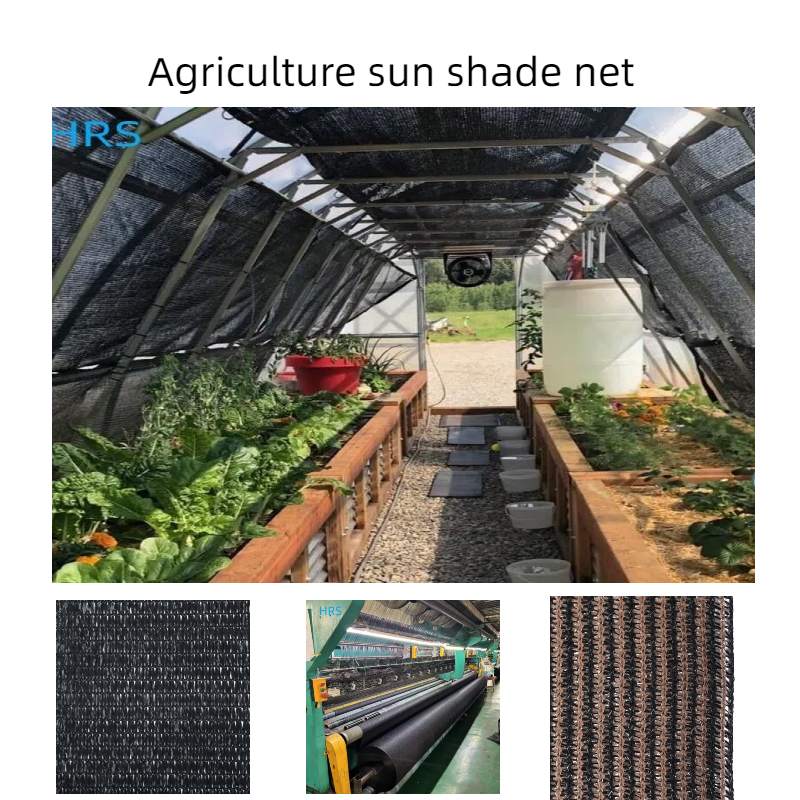
Enter product details (such as color, size, materials etc.) and other specific requirements to receive an accurate quote.

leave a message

If you are interested in our products and want to know more details,please leave a message here,we will reply you as soon as we can.
Submit
other

Blog

Home Blogs

Blog

  • How to Pick the Right GSM for PP Ground Cover
    How to Pick the Right GSM for PP Ground Cover
    Nov 24, 2026
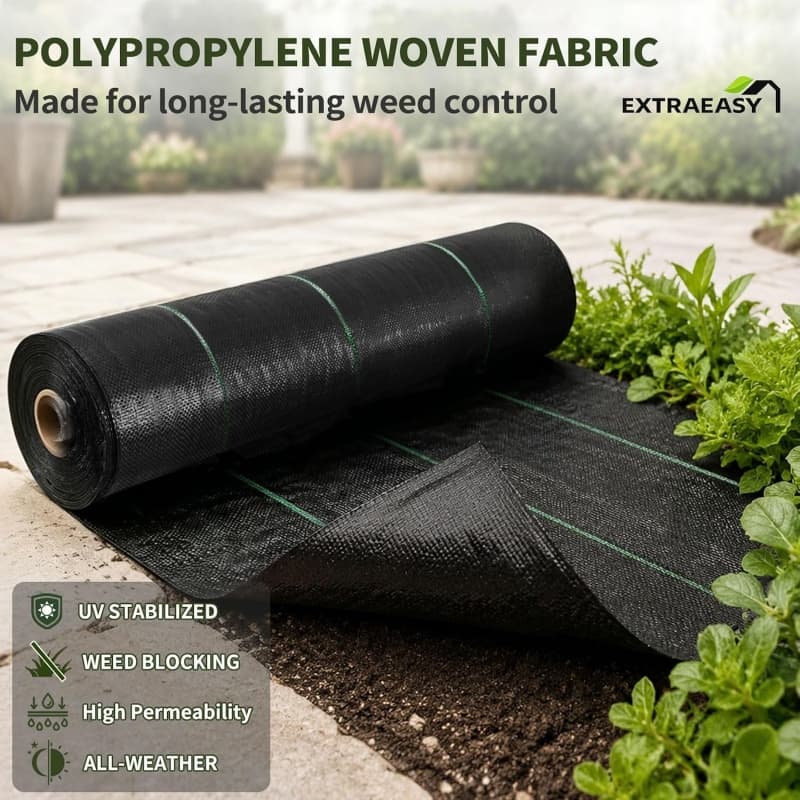
    Many commercial growers, landscape contractors and bulk buyers make one costly mistake when ordering PP ground cover: they only compare price per roll and ignore GSM. Some choose an ultra-light cheap mat, only to find it tears easily during laying and breaks down within one season. Others overbuy heavy 150gsm+ fabric for simple greenhouse aisles and waste budget they could have saved elsewhere.   GSM stands for grams per square meter. For woven polypropylene ground cover, GSM directly reflects yarn density, tensile strength, puncture resistance and expected service life. But here is a critical truth: higher GSM is NOT always better. If the weave is packed too tight, water infiltration slows down and soil moisture management suffers. Your goal is matching GSM to your site conditions, traffic level, expected lifespan and crop type.   This guide breaks down every common GSM grade for woven PP ground cover, so you can select the right specification without guesswork.   What GSM Actually Measures for Woven PP Ground Cover   GSM is the weight of one square meter of fabric. For woven weed barrier, it is tied closely to:   Yarn denier and weaving density   Tear strength, puncture resistance and stretch performance   Handling ease during installation   Permeability balance (water & air flow)   Raw material consumption and final unit price   A common misconception: GSM alone tells the full quality story. Two rolls marked 100gsm can perform very differently. One uses virgin PP yarn with stable weaving; another mixes recycled thin yarn and hits the weight by packing yarn too tight, killing permeability. Always pair GSM checks with virgin material confirmation and UV additive specifications.   GSM Grade Breakdown & Recommended Applications   60–80 GSM / Light Duty PP Ground Cover   Best for: Short-cycle vegetable beds, temporary greenhouse inner aisles, seasonal nursery beds, low-foot-traffic annual planting projects Pros: Lightweight, flexible, fast to cut and lay, lowest material cost, excellent water penetration Limitations: Low puncture resistance. Not suitable for gravel overlay, wheeled trolley traffic or multi-year full sun exposure. Sharp stones, roots and rough backfill can tear it quickly. Suggestion: Pair with non-UV formula for indoor greenhouse use to cut cost. Not recommended for permanent orchard rows.   90–120 GSM /All-Round Medium Duty (Our Bestseller)   Best for: Orchards, vineyards, berry tunnels, commercial nursery container beds, general landscape planting beds, most farm weed control projects Pros: Balanced tensile strength, stable permeability, easy to handle, compatible with UV stabilizer for 3–5 years outdoor service life. This is the default pick when buyers have no clear GSM preference. The woven marking lines stay intact through repeated seasonal maintenance. Why most cooperatives and medium-sized farms choose this range: It resists minor foot traffic, survives regular mowing and trimming nearby, and still lets rain and irrigation water reach root zones freely. Recommended sweet spot: 100gsm / 120gsm for permanent fruit tree rows.   130–200 GSM /Heavy Duty PP Ground Cover   Best for: Gravel pathways, hardscape underlay, nursery trolley routes, solar farm ground covering, sites with light machinery movement, high-wind exposed slopes, long-term commercial landscape projects Pros: Outstanding puncture and tear resistance, withstands heavy gravel compaction and frequent walking or wheel passage. UV treated heavy-duty versions can deliver extended outdoor service life in strong UV regions. Limitations: Higher cost, slightly slower water infiltration compared to lighter grades. It is overkill for simple orchard rows with no traffic. Suggestion: 130–150gsm is enough for most heavy commercial jobs; 180–200gsm is reserved for extreme mechanical wear.   Quick Reference Selection Table   GSM Range Duty Level Typical Application Key Notes 60–80gsm Light Seasonal veggies, temporary greenhouse beds Low traffic, short-term use 90–120gsm Medium Orchard, vineyard, nursery, landscape beds Most popular, balanced performance 130–200gsm Heavy Gravel paths, trolley lanes, solar sites Anti-puncture, heavy traffic   Four Factors You Must Consider Before Finalizing GSM   1. Traffic & Mechanical Stress   Ask yourself: Will workers, trolleys, mowers or light equipment roll over the fabric regularly?   No traffic: 60–90gsm works fine   Occasional foot traffic: 90–120gsm   Frequent wheeled traffic or gravel covering: 130gsm+   2. Expected Service Life & UV Exposure   GSM and UV treatment work together. A 100gsm UV-stabilized mat outlasts a 140gsm non-UV mat under direct sunlight.   Indoor / shaded greenhouse: UV option optional, you can select lower GSM   Open field, tropical, high UV climate: Prioritize UV stabilized formula first, then choose GSM   3. Soil & Installation Condition   Rocky soil with sharp fragments needs higher puncture resistance. If you plan to cover the ground cover with bark mulch or fine gravel, medium GSM often works well; coarse sharp gravel requires heavy duty grade.   4. Permeability Requirement   Higher GSM usually means denser weave. For water-sensitive crops like berries, avoid unnecessarily heavy GSM which may slow drainage after heavy rain.   Common GSM Buying Pitfalls to Avoid   1.Chasing the lowest GSM for cost savings Cheap light fabric often leads to rework, extra labor and replacement cost within one growing season. The lowest upfront price rarely equals the lowest total project cost.   2.Assuming higher GSM always blocks weeds better Weed suppression mainly relies on light blocking, not weight. A properly woven 90gsm black ground cover blocks sunlight just as effectively as 150gsm.   3.Ignoring GSM consistency Some suppliers sell inconsistent fabric: labeled 100gsm but actual weight fluctuates widely roll to roll. Verify GSM on samples before bulk orders.   4.Separating GSM from UV specification GSM defines physical strength; UV additive defines anti-aging performance. They are two independent parameters.   FAQ   Q: Is 100gsm PP ground cover good for citrus orchards? A: Yes, 100–120gsm UV stabilized woven ground cover is the standard choice for citrus and fruit orchards with only foot traffic.   Q: What GSM should I use under gravel paths? A: 130gsm or higher heavy-duty PP ground cover to resist punctures from sharp gravel stones.   Q: Can heavy 150gsm ground cover still drain well? A: Yes, woven construction keeps permeability. Drainage rate will be slightly lower than 80gsm, but still far better than solid plastic mulch film.   Q: Do you offer custom GSM for special projects? A: We support custom woven PP ground cover from 60gsm up to 200gsm, with optional UV treatment, planting lines, pre-punched holes and custom roll sizes. Send your project details for a sample and specification recommendation.   Wrap-up   GSM selection is a balance of durability, permeability, service life and budget. There is no universal “best” GSM for all PP ground cover applications. Match light GSM for temporary low-stress projects, medium 90–120gsm for most commercial farming and landscaping, and heavy 130gsm+ only for high-traffic and rough installation conditions.   If you are still unsure which GSM fits your farm or landscape project, contact our team with your location, crop type, traffic condition and expected service life. We will recommend the most cost-effective woven PP ground cover specification and arrange samples for testing.  
    Read More
  • Protect Your Crops with Reliable Agricultural Bird Netting
    Protect Your Crops with Reliable Agricultural Bird Netting
    Nov 24, 2026
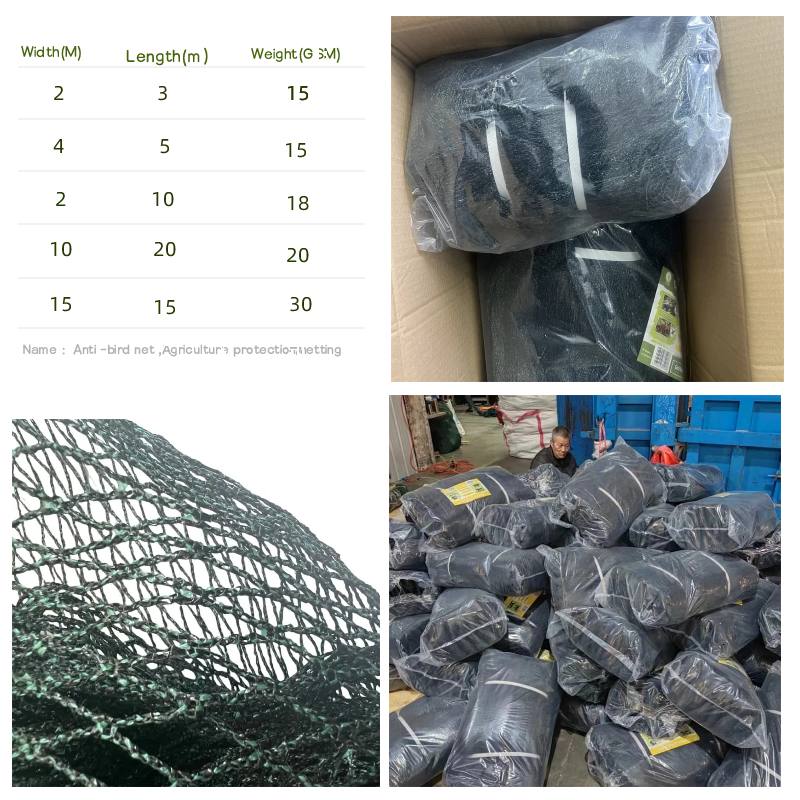
    Protect Your Crops with Reliable Agricultural Bird Netting Birds can cause serious losses by eating seeds, damaging ripening fruit, and pecking at young plants. Agricultural bird netting provides a simple, reusable way to protect crops while allowing sunlight, air, and rain to reach them. It can be installed over orchards, vineyards, vegetable plots, ponds, and seedbeds, helping reduce crop damage and improve harvest quality without relying on chemical repellents. Bird nets are commonly made from polyethylene (PE) or polypropylene (PP). PE netting is lightweight, flexible, and resistant to moisture, making it suitable for many outdoor uses. For longer service life, choose UV-stabilized material designed to withstand prolonged sun exposure. Nets are available in different mesh sizes, colors, and construction types. Select a mesh that keeps target birds out while minimizing the risk of entanglement, and install it securely above or around the crop. Net weight varies by mesh size, thread thickness, and weave. Lightweight options are often around 20–40 g/m², while stronger, more durable nets may weigh approximately 40–100 g/m² or more. These figures are general examples; the right specification depends on the crop, installation method, and local weather conditions. With proper installation and seasonal care, a quality UV-treated bird net may last about 3–5 years, and some heavier-duty products can last longer. Actual service life depends on sunlight, wind, handling, and storage. Remove, clean, and store the net carefully when it is not needed to help extend its lifespan. Choose the right material, mesh, and weight for your farm, and bird netting can provide dependable crop protection season after season.  
    Read More
  • Shade Net vs Shade Sail: Which One Is Better for Your Greenhouse & Patio?
    Shade Net vs Shade Sail: Which One Is Better for Your Greenhouse & Patio?
    Nov 23, 2026
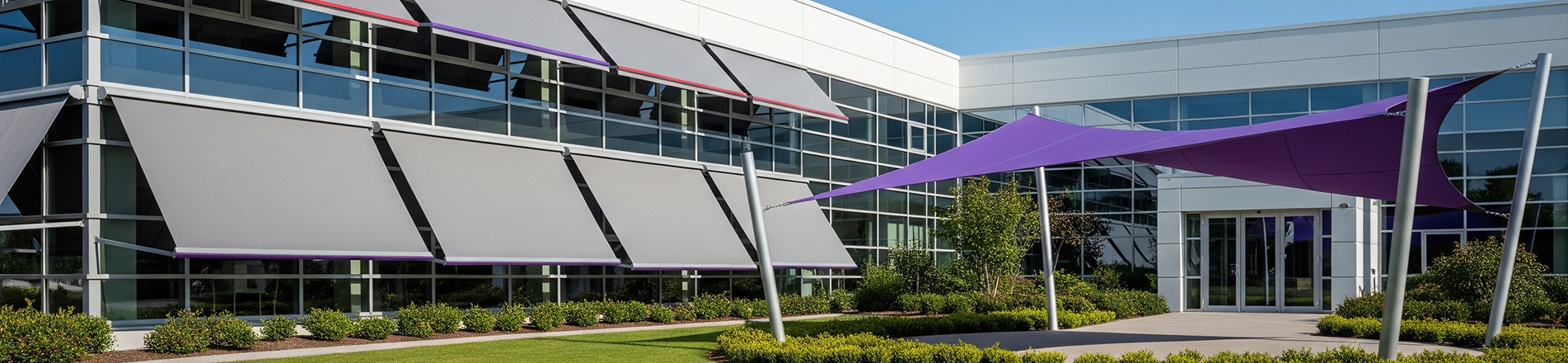
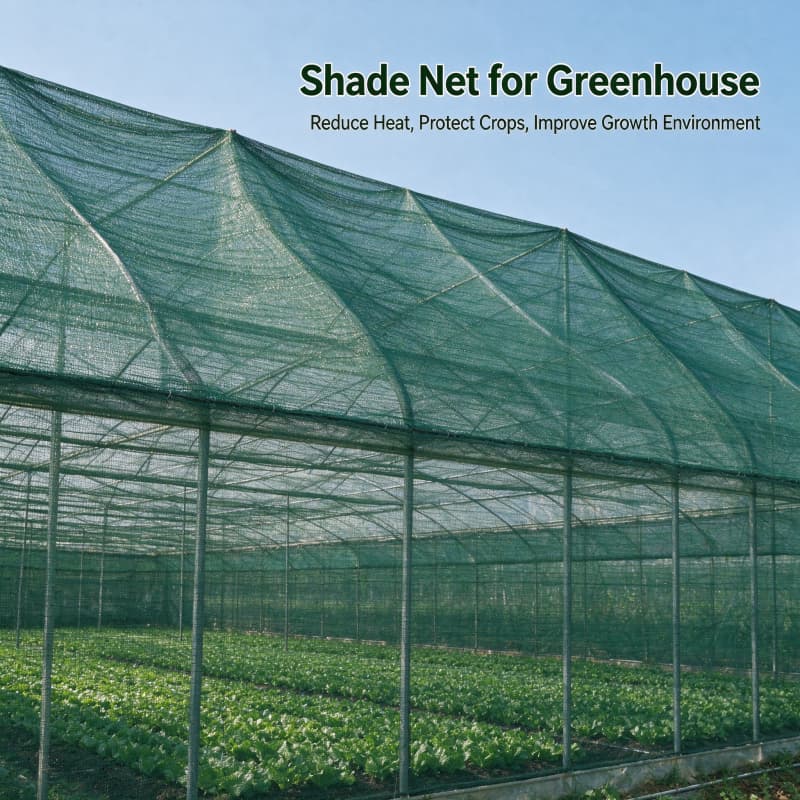
    Introduction   When planning outdoor shading for greenhouses, crop nurseries, patios, pergolas and backyard leisure zones, two popular options often come up: shade net and shade sail. Many buyers wonder which one is superior.   The honest answer: neither is universally “better”. They are engineered for different priorities. Shade net shines for functional agricultural ventilation and flexible large-area coverage, while shade sail delivers tailored aesthetic shading for living spaces. We supply both products, and this guide aims to help you match the right shading type to your project goals, climate and budget.   What Is Shade Net?   Shade net is a knitted HDPE mesh material blended with UV stabilizer masterbatch. It comes in continuous rolls with customizable shade rates ranging from 30% to 90%. It features an open mesh structure, reinforced stitched edges, and optional pre-punched grommets for fastening. It is lightweight, easy to cut on-site, and widely adopted in agriculture, horticulture, livestock shelters and large temporary shading projects.   What Is Shade Sail?   Shade sail is a pre-cut, tensioned shading cover, normally made from heavy-duty UV-resistant HDPE fabric or coated polyester. Most are finished into fixed geometric shapes such as triangles, squares and rectangles, with reinforced seams and heavy-duty metal eyelets along every edge. Designed to be pulled tight between solid anchor points, it creates a neat, sleek overhead canopy for patios, swimming pools, decks and commercial outdoor seating areas. Some variants are waterproof for all-weather leisure use.   Side-by-Side Objective Comparison Table   Feature Shade Net Shade Sail Structure Open knitted mesh Tight woven or coated solid fabric panel Air & Rain Permeability Excellent airflow; rain passes freely through mesh Breathable HDPE sails allow limited airflow; waterproof versions block rainwater Shade Rate Control Fully selectable: 30%–90% to match plant needs Fixed shade factor per finished sail, usually 85%–95% Aesthetic Style Practical, functional look; simple industrial/garden style Clean, modern architectural look; great for landscape decoration Installation Flexibility Highly flexible. Can drape, wrap, cover irregular frames, cut to any size on site Requires fixed anchor points and precise tensioning; shape is prefabricated Weight & Handling Ultra-lightweight, easy to roll up, remove and store seasonally Heavier and stiffer; stays mounted long-term in most cases Typical Application Greenhouses, seedlings, orchards, poultry runs, farm crop shading Patio, pergola, poolside, resort outdoor area, residential backyard Cost for Large Coverage Cost-effective for big continuous areas Higher unit cost, ideal for defined, shaped shaded zones Customization Custom width rolls, cut-to-size, optional grommet edges Custom shapes and colors available, subject to MOQ   Core Advantages of Shade Net   Fine-tunable shade rate is its biggest strength. Farmers can select 50% shade for vegetables, 70% for delicate seedlings, and 30% for mature fruit trees to match plant light requirements exactly.   Outstanding air permeability. Hot air moves through the mesh, preventing trapped heat buildup inside greenhouses or animal shelters. It lowers heat stress without cutting off natural ventilation.   Unmatched flexibility. You can drape it over arched hoops, stretch it over uneven or large planting areas, trim excess material on-site, and take it down quickly after growing seasons.   Budget-friendly for large farm coverage. Roll packing supports continuous coverage over acres of orchards or nursery beds.   Core Advantages of Shade Sail   Premium visual effect. Its smooth tensioned silhouette upgrades patio and pool areas, matching modern outdoor landscape design. It is a popular pick for homeowners, cafes and resorts.   Stable finished structure. When properly tensioned on sturdy posts or walls, it holds shape well, reduces flapping in wind and offers consistent overhead shading for human activity zones.   Optional waterproof function. Coated shade sails create dry shelter for dining areas, offering both sun and light rain protection, a feature standard mesh shade net cannot provide.   Consistent high UV block. Most finished sails deliver 90%+ UV protection, reliable for protecting people, outdoor furniture and flooring from harsh sun damage.   When to Choose Shade Net   Pick shade net if any of these match your project:   You run a greenhouse, nursery, or orchard and need adjustable shade levels for crops   Ventilation is your top priority, and you want to avoid heat trapping under the cover   You need to cover an irregular, large or temporary area and may need to cut the material   You will install and remove the shade seasonally   You are shading livestock, chicken runs or farm storage zones   When to Choose Shade Sail   Pick shade sail if any of these match your project:   Your main space is a patio, deck, swimming pool or outdoor leisure area for people   Visual style and neat landscape appearance are important to you   You want a fixed, long-term overhead shade structure with defined boundaries   You hope to get rain protection and sun protection together (choose waterproof shade sail)   You have solid anchor points ready for tension mounting   Common Misconceptions Clarified   “Shade sail is always better quality.” Not exactly. Both can be manufactured from UV-stabilized virgin HDPE for long outdoor life. The difference lies in structure purpose, not raw material quality. A well-made shade net can serve 3–5 years in the field, same as a properly installed HDPE shade sail.   “Shade net is only for farms.” Shade net can also work for pergolas and backyards. It is simply less decorative than a tensioned sail and suits buyers who prioritize function over appearance.   “Shade sail can be used for greenhouses.” It is not the first recommendation. Its fixed high shade rate and relatively lower airflow may create excess heat and limit light control for growing plants.   Quick Decision Checklist   Ask yourself these 3 simple questions:   1.Who or what are you shading? Plants & livestock → lean toward shade net; People & outdoor living space → lean toward shade sail.   2.Do you need adjustable shade percentage and maximum airflow? → Shade net   3.Do you want a stylish fixed canopy or rain protection? → Shade sail   Final Thought   There is no one-size-fits-all shading solution. Many customers even combine both: shade net for crop zones in the garden, and a matching shade sail for the adjacent patio seating area.   Whether you need UV stabilized HDPE shade net rolls with customized shade rates or heavy-duty shade sails in multiple shapes and colors, we have both series ready for wholesale and custom orders. Send us your project details, and our team can help you select the right shading solution.   FAQ Section   Q1: Can I use shade net as a shade sail? A: You can fasten shade net between anchor points, but it will not form the same taut, neat sail shape. It is designed as a flexible mesh cover rather than a tensioned architectural canopy.   Q2: Can shade sail be cut to smaller size on site? A: We do not recommend cutting finished shade sails. Cutting will break the reinforced edge and eyelet system and cause fraying. Order pre-sized sails instead.   Q3: Are both products UV resistant? A: Yes. Our shade net uses UV masterbatch blended HDPE fibre. Our shade sails are made of UV stabilized HDPE or coated polyester fabric for long outdoor exposure.   Q4: Can I get the same dark green color for both shade net and shade sail? A: Yes. We offer coordinated color options across both product lines if you want a unified look for your garden and patio.
    Read More
  • Reliable Shade Netting for Gardens, Farms & Outdoor Spaces
    Reliable Shade Netting for Gardens, Farms & Outdoor Spaces
    Nov 20, 2026
    Reliable Shade Netting for Gardens, Farms & Outdoor Spaces Create cooler, more comfortable spaces and give your plants dependable protection with shade netting from ANHUI HESHUN IMPORT AND EXPORT CO., LTD. Made from 100% new-material polyethylene and woven with durable black round yarn, our shade nets are designed for practical outdoor use. Available in 150 GSM and 220 GSM, they offer shade rates of approximately 60% and 85% to suit different sunlight conditions and applications. Choose the Shade That Fits The 60% shade net lets more light through while helping reduce direct sun and heat. It is a practical choice for gardens, farms, and areas where plants still need plenty of natural light. The 85% shade net provides denser shade for stronger sun protection. Use it for patios, courtyards, outdoor seating areas, nurseries, and other spaces that need more coverage. Made for Everyday Outdoor Use Shade nets can help reduce harsh sunlight, create a more comfortable environment, and protect plants from excessive exposure. They are suitable for: Gardens, greenhouses, and plant nurseries Farms and vegetable-growing areas Courtyards, patios, and outdoor seating Temporary shade structures and other outdoor spaces With proper installation and care, our nets are designed for long-term use, with a service life of up to five years under normal conditions. Actual lifespan depends on sunlight, weather, installation, and handling. Sizes to Suit Your Project Standard and custom sizes are available, including 10 ft × 10 ft, 12 ft × 12 ft, and 8 ft × 10 ft. Other sizes can be made to order to match your project. Please confirm dimensions when ordering; “20 ft × 0 ft” may be a typing error. A Dependable Supplier ANHUI HESHUN IMPORT AND EXPORT CO., LTD. specializes in shade net production and supply. With professional equipment, competitive pricing, and attentive service, we work to provide practical products for agricultural, garden, and outdoor applications. Choose the shade rate, weight, and size that fit your needs—and make your outdoor space more comfortable with dependable shade netting.
    Read More
  • Durable Shade Nets for Farms, Gardens & Outdoor Spaces USA market shade black mesh tarp
    Durable Shade Nets for Farms, Gardens & Outdoor Spaces USA market shade black mesh tarp
    Nov 20, 2026
    Reliable Shade Netting for Gardens, Farms & Outdoor Spaces Create cooler, more comfortable spaces and give your plants dependable protection with shade netting from ANHUI HESHUN IMPORT AND EXPORT CO., LTD. Made from 100% new-material polyethylene and woven with durable black round yarn, our shade nets are designed for practical outdoor use. Available in 150 GSM and 220 GSM, they offer shade rates of approximately 60% and 85% to suit different sunlight conditions and applications. Choose the Shade That Fits The 60% shade net lets more light through while helping reduce direct sun and heat. It is a practical choice for gardens, farms, and areas where plants still need plenty of natural light. The 85% shade net provides denser shade for stronger sun protection. Use it for patios, courtyards, outdoor seating areas, nurseries, and other spaces that need more coverage. Made for Everyday Outdoor Use Shade nets can help reduce harsh sunlight, create a more comfortable environment, and protect plants from excessive exposure. They are suitable for: Gardens, greenhouses, and plant nurseries Farms and vegetable-growing areas Courtyards, patios, and outdoor seating Temporary shade structures and other outdoor spaces With proper installation and care, our nets are designed for long-term use, with a service life of up to five years under normal conditions. Actual lifespan depends on sunlight, weather, installation, and handling. Sizes to Suit Your Project Standard and custom sizes are available, including 10 ft × 10 ft, 12 ft × 12 ft, and 8 ft × 10 ft. Other sizes can be made to order to match your project. Please confirm dimensions when ordering; “20 ft × 0 ft” may be a typing error. A Dependable Supplier ANHUI HESHUN IMPORT AND EXPORT CO., LTD. specializes in shade net production and supply. With professional equipment, competitive pricing, and attentive service, we work to provide practical products for agricultural, garden, and outdoor applications. Choose the shade rate, weight, and size that fit your needs—and make your outdoor space more comfortable with dependable shade netting.
    Read More
  • Good Quality vs. Poor Quality Shade Net: What’s the Difference?
    Good Quality vs. Poor Quality Shade Net: What’s the Difference?
    Nov 19, 2026
    Good Quality vs. Poor Quality Shade Net: What’s the Difference? Shade nets may look similar at first, but their quality can vary greatly. The material, weight, knitting, UV protection, shade rate, and finishing all affect how well a net performs and how long it lasts. Choosing the right product can help protect crops, reduce replacement costs, and make outdoor spaces more comfortable. 1. Material and UV protection A good quality shade net is usually made from durable polyethylene, often HDPE, with UV stabilizers added for outdoor use. These stabilizers help the net resist damage from long exposure to sunlight. This matters because a net without enough UV protection can become brittle, fade, and tear after repeated exposure to sun and heat. A poor quality net may use lower-grade material or contain little UV protection. It may be cheaper to buy, but it can deteriorate quickly outdoors. The threads may become weak, and small holes can spread into larger tears. In areas with strong sunlight, this can mean replacing the net sooner than expected. Advantage of a good net: It is better suited to long-term outdoor use and can maintain its performance over time. Advantage of a low-cost net: It may have a lower purchase price and can be useful for short-term or temporary applications where long service life is not important. 2. Weight and construction Shade nets are available in different weights, commonly measured in grams per square metre (GSM). Weight alone does not determine quality, but it can help buyers compare products when they are looking at nets with similar designs and materials. A suitable weight depends on the intended use, installation method, and local weather. A good quality net usually has consistent knitting, even spacing, and secure edges. Its construction is designed to handle normal handling and installation without easily unraveling. Reinforced edges and well-finished seams can make it easier to tie down securely. A poor quality net may have uneven knitting, loose threads, weak edges, or inconsistent thickness. These problems can make installation harder and increase the risk of damage during use. However, a lighter net may be easier to handle and may work for temporary shade over a small garden bed or short-term event. Advantage of a good net: More consistent construction can make installation and everyday use more reliable. Advantage of a lightweight, lower-cost net: It is easier to carry and may suit temporary or low-demand projects. 3. Shade rate and growing conditions Shade rate describes how much sunlight the net blocks. Common options include approximately 30%, 50%, 70%, and 90%, though exact rates vary by product. The right choice depends on the crop, climate, season, and amount of natural light available. A good quality shade net is more likely to provide a consistent shade rate across the roll, when produced and specified to an appropriate standard. This helps growers create a more predictable environment for plants. For example, leafy vegetables, seedlings, and some shade-loving plants may benefit from more protection than sun-loving crops. Tomatoes, peppers, and cucumbers may need a different balance depending on the season and local climate. With a poor quality net, shade may be uneven if the knitting or density varies. The product label may also not accurately describe the actual shade rate. Too much shade can reduce the light plants need; too little may not provide enough relief from intense sun. Buyers should confirm the shade rate and select a product suited to their crop rather than assuming that a darker net always blocks more light. Advantage of a good net: A clearly specified, consistent shade rate makes it easier to match the net to a particular growing need. Advantage of a basic net: It can provide simple shade at a lower cost when precise light control is not essential. 4. Strength and weather resistance A properly made shade net can help reduce direct sunlight and may offer some protection from wind, depending on its shade rate, installation, and the surrounding conditions. It should still be installed with suitable supports and secure fixings. No shade net should be assumed to withstand every storm or wind load. Lower quality nets may be more likely to stretch, fray, or tear when pulled tightly or exposed to rough handling. Their edges can also fail if they are not reinforced. In mild conditions or for small areas, a basic net may still do the job, but it may need more frequent inspection and careful handling. Advantage of a good net: Stronger construction can make it more dependable for regular use when installed correctly. Advantage of a low-cost net: It can be a practical option when the covered area is small, the exposure is mild, or the net is easy to replace. 5. Color, appearance, and application Shade nets are commonly available in colors such as black and green, with other colors available from some suppliers. Color can affect appearance and, depending on the product design, may influence how the net is used. For instance, green may blend into a garden, while black is common in agricultural and nursery applications. Buyers should compare the net’s specifications rather than choosing by color alone. A good quality net usually has more even coloring and a neater finish, which can be useful for customer-facing areas such as gardens, patios, nurseries, and commercial greenhouses. A budget net may have less uniform color or a simpler finish, but this may not matter for a temporary structure or a location where appearance is unimportant. 6. Cost over time The purchase price is only one part of the total cost. A cheaper net can be a good value if it is being used briefly or in a low-demand setting. But if it needs frequent replacement, the cost of buying, installing, and disposing of multiple nets can add up. A higher quality net may cost more at the beginning. For regular agricultural use, greenhouse shading, plant nurseries, or outdoor installations, its more durable construction and clearer specifications may make it a better long-term choice. The best option depends on how long the net needs to last and how demanding the conditions are. How to choose Before buying, check the material, GSM, shade rate, UV protection, dimensions, color, edge reinforcement, and intended use. Ask the supplier how the shade rate and weight are measured, and request product details for comparison. Also consider the crops, local weather, installation method, and whether the net will be temporary or used season after season. Good quality shade nets offer advantages in durability, consistency, and reliable performance. Lower-cost nets can still be useful when the application is temporary, the conditions are mild, or the budget is limited. The right choice is the one that matches the job. Anhui Heshun Import and Export Co., Ltd. specializes in shade net production and offers a range of options for agriculture, greenhouses, gardens, and outdoor use. With professional equipment, competitive prices, and attentive service, the company can help buyers select a shade net suited to their requirements.      
    Read More
  • Shade Net: Simple Protection, Better Growing
    Shade Net: Simple Protection, Better Growing
    Nov 19, 2026
    Shade Net: Simple Protection, Better Growing Give your plants comfortable shade and help them grow with confidence. Anhui Heshun Import and Export Co., Ltd. specializes in manufacturing shade nets for farms, greenhouses, gardens, and outdoor spaces. Made from durable polyethylene (HDPE), our shade nets are lightweight, practical, and designed for everyday use. Different weights and shade rates are available to suit changing weather and growing needs. Choose from common colors such as black, green, and other options to match your application. Shade nets help reduce strong sunlight and heat, protect plants from wind and harsh weather, and create a more suitable growing environment. They can also help reduce water loss and protect crops from birds and insects when used with the right setup. Suitable for many crops, including leafy vegetables, tomatoes, peppers, cucumbers, lettuce, and herbs, shade nets are also useful for nurseries, fruit-growing areas, and young plants. They are commonly used in agriculture, greenhouses, gardens, patios, livestock areas, and outdoor workspaces. With professional production equipment, competitive prices, and attentive service, Anhui Heshun Import and Export Co., Ltd. is ready to support your project. We offer practical shade net solutions to help protect your plants and make outdoor spaces more comfortable.    
    Read More
  • Stay Cool. Stay Strong. Grow Better.
    Stay Cool. Stay Strong. Grow Better.
    Nov 17, 2026
    Stay Cool. Stay Strong. Grow Better. A Shade Net That Keeps Its Shape—and Its Promise Protect your crops from intense sunlight with a shade net made for dependable, long-lasting performance. Produced from quality polyethylene (PE) material and enhanced with UV-resistant additives, our shade nets are designed to withstand sun exposure and outdoor use. Pre-stretched and heat-set for dimensional stability, the net is designed to retain its shape after production. When you receive it, it won’t keep shrinking—so you can install it with confidence. Made to Match Your Needs Choose the specifications that work best for your crops and growing conditions: Color: customizable Size: customizable Weight (GSM): customizable Shade rate: customizable Our shade nets are suitable for greenhouses, gardens, nurseries, farms, patios, and other outdoor applications. With proper installation and use, the expected service life is up to [X] years. Actual lifespan depends on UV exposure, weather, installation, and maintenance. Enjoy the Benefits of Shade With shade netting: Help reduce direct sunlight and heat stress, protect plants from harsh sun, and create a more comfortable growing environment. It can also help reduce water loss from soil and plants. Without shade netting: Plants may be exposed to excessive sunlight and high temperatures, which can lead to leaf scorch, wilting, faster moisture loss, and reduced crop quality—especially during hot seasons. Shade-loving or shade-tolerant plants may benefit from suitable shade, including lettuce, spinach, coriander, mint, leafy greens, orchids, ferns, and many nursery seedlings. The ideal shade rate depends on the plant variety, local climate, and growing stage. Our Service Promise We stand behind the quality of our products. If a product is confirmed to have a manufacturing quality issue covered by our agreed warranty terms, we offer free replacement. Please contact us with the order details and photos so we can review the issue and arrange support. Why Choose ANHUI HESHUN IMPORT AND EXPORT CO., LTD.? We specialize in shade net production. We care about every customer, every product, and every detail—from material selection and production to inspection and delivery. ANHUI HESHUN IMPORT AND EXPORT CO., LTD.Professional shade net production. Care in every detail. Quality you can count on.
    Read More
  • Durable Weed Control with Ground Cover Fabric
    Durable Weed Control with Ground Cover Fabric
    Nov 16, 2026
    Durable Weed Control with Ground Cover Fabric Looking for a practical way to control weeds and keep outdoor areas tidy? ANHUI HESHUN IMPORT AND EXPORT CO., LTD. specializes in ground cover fabric, also known as weed mat or weed control fabric. Our products help suppress weed growth while allowing water and air to pass through the fabric. Product Features Material: HDPE (high-density polyethylene) Weight: 80–130 GSM Colors: Black, white, and other colors on request Sizes: Standard and custom sizes available Service life: Approximately 1–3 years, depending on product specifications and conditions of use Why Choose Ground Cover Fabric? Ground cover fabric provides a simple, effective way to manage weeds without relying solely on repeated hand weeding. It helps reduce weed growth by limiting sunlight reaching the soil, while its permeable structure supports water drainage and air circulation. Benefits of Using Weed Mat Helps control weeds in gardens, farms, nurseries, greenhouses, and landscaping projects Reduces time and labor spent on weeding Helps keep soil and planting areas neat Allows water to drain through to the soil Can be cut and fitted to suit different planting layouts Available in custom sizes and specifications for a range of applications Your Ground Cover Supplier With a focus on ground cover and weed mat control products, ANHUI HESHUN IMPORT AND EXPORT CO., LTD. offers practical product options, custom sizing, and professional service. We work to ensure that products meet the agreed specifications and provide reliable quality for your project. Choose our HDPE ground cover fabric for an easy-to-use solution to weed management. Contact ANHUI HESHUN IMPORT AND EXPORT CO., LTD. to discuss your required color, weight, size, and application. Keywords: ground cover, weed mat control, weed control fabric, HDPE ground cover fabric, garden weed mat
    Read More
  • Why Fruit Trees and Crops Need Hail Protection Netting
    Why Fruit Trees and Crops Need Hail Protection Netting
    Nov 13, 2026
    Why Fruit Trees and Crops Need Hail Protection Netting Hailstorms can develop quickly and cause serious damage in just a few minutes. For fruit growers and crop producers, a single storm may bruise or split fruit, tear leaves, break young shoots, damage flowers, and injure branches. Even when plants survive, visible marks and bruises can reduce the market value of the harvest. Hail protection netting offers a practical way to reduce these risks. Installed above orchards, vineyards, and crop fields, it forms a protective barrier that intercepts or slows hailstones before they strike plants directly. It cannot control the weather, and no net can guarantee that all storm damage will be prevented. But a properly selected and installed system can help reduce crop exposure and protect valuable plants during severe weather. How Hail Netting Protects Crops Hail netting works by absorbing and dispersing some of the impact from falling hailstones. The net creates a physical barrier above the crop, helping prevent direct impacts on fruit, leaves, flowers, stems, and branches. The exact level of protection depends on factors such as the net’s material, mesh construction, strength, installation height, supporting structure, and local storm conditions. For fruit trees, this can help reduce bruising, skin damage, and fruit drop. For crops such as grapes, berries, vegetables, and other field-grown produce, netting can help protect delicate plant tissue and developing fruit. A hail net system can also provide some protection against windblown debris, while certain designs may help reduce sun exposure or bird damage. Common Hail Net Materials Agricultural hail nets are commonly made from high-density polyethylene (HDPE). HDPE is widely used because it is lightweight, strong, flexible, and suitable for outdoor agricultural use. Many hail nets are produced from HDPE monofilament yarns in knitted or woven constructions. The design affects the net’s strength, flexibility, airflow, light transmission, and resistance to tearing. Edges may be reinforced to help with installation and reduce fraying, especially on larger orchard and vineyard systems. For long-term outdoor use, hail netting is often manufactured with UV stabilizers. These additives help the plastic resist degradation caused by prolonged exposure to sunlight. The amount and type of UV stabilization, the quality of the raw material, and the manufacturing process all influence how long a net can remain in service. When comparing products, buyers should check the product specification rather than relying on material names alone. Useful details may include: Material type and yarn construction Net weight, commonly expressed in grams per square metre (g/m²) Mesh opening and strand configuration UV stabilization or UV warranty Tensile strength and tear resistance Reinforced edges and available fastening points Recommended installation method and support structure Common Mesh Sizes and Product Specifications There is no single mesh size that suits every crop or hail-risk area. Hail net products are designed for different growing systems, crop types, and local conditions. Some agricultural products use relatively open mesh to allow airflow and light transmission; other designs use a tighter construction for more complete coverage. As a general reference, agricultural hail netting is commonly offered in weights around 40–100 g/m², though heavier or lighter options may be available. Mesh openings also vary by design and manufacturer. These figures are broad examples, not universal standards: the appropriate specification should be selected according to the crop, expected hail conditions, structural design, and required level of protection. For orchard projects, it is important to consider the full system—not just the net. Support wires, posts, anchors, clips, and installation spacing must be designed to suit the site. Wind and heavy hail can place substantial loads on the structure, so large installations should be planned with local conditions in mind. Common Widths, Lengths, and Custom Sizes Hail nets are sold in a range of widths and roll lengths. Common commercial widths are often approximately 2 to 8 metres, while larger or custom widths may be available for specific orchard and vineyard systems. Roll lengths vary by supplier and product, and manufacturers may offer custom dimensions to fit row spacing, canopy layouts, and installation plans. Before ordering, measure the area carefully and allow for the required overlap, fastening, and tensioning. A net that is too small may leave exposed gaps; one that is poorly fitted may sag, flap excessively, or place unnecessary stress on the support structure. Available Colors Common colors include black, white, clear or translucent, and green. Availability depends on the product and manufacturer. Color can influence how much light passes through the net and how the covered area looks, but it does not by itself determine performance or lifespan. The mesh construction, UV stabilization, and installation system are also important. Growers should choose a color based on the crop’s light requirements, the desired appearance, and the manufacturer’s product information. How Long Does Hail Netting Last? The service life of hail netting varies. As a broad guide, agricultural nets may last about 3 to 8 years, and some products may be designed or warranted for longer use. Actual performance depends on the quality of the materials, UV stabilization, weather exposure, installation tension, abrasion, maintenance, and whether the net is installed permanently or removed seasonally. A stated UV warranty is not always the same as a guaranteed service life. Buyers should check what the warranty covers, how long it applies, and what conditions or exclusions may affect a claim. To help extend the life of a hail net: Install it according to the supplier’s instructions. Avoid sharp edges and unnecessary friction against wires or structures. Keep the net correctly tensioned and secured. Inspect it after severe storms and at the start of each growing season. Repair small tears promptly where possible. Store seasonal netting clean and dry, away from direct sunlight and sharp objects. Key Benefits for Fruit Growers and Farmers Reduced direct impact damage The net creates a barrier between hailstones and crops. This can help reduce bruising, cuts, broken shoots, damaged leaves, and fruit drop. Better protection for valuable harvests Fruit quality strongly affects market value. By reducing visible damage, hail netting can help growers protect more of the crop’s appearance and saleability after a storm. Results will depend on the storm and the system used. Protection during vulnerable growth stages Flowers, young fruit, and tender shoots can be particularly vulnerable to severe weather. A suitable netting system helps shield these sensitive parts of the plant during critical stages of growth. Support for more consistent production Extreme weather can make harvest outcomes unpredictable. Hail netting does not eliminate weather risk, but it can be one part of a broader crop-protection plan and may help reduce the impact of hail events. Additional physical protection Depending on the product design and installation, overhead netting may also help reduce damage from windblown debris and may provide some protection from birds. Hail netting is not automatically a substitute for dedicated bird netting, insect netting, or shade netting; each product should be selected for its intended purpose. Air and light transmission Agricultural hail nets are designed to provide crop protection while allowing air and some sunlight to pass through. The actual light and airflow conditions depend on mesh design, color, and coverage. Growers should consider the crop’s requirements and monitor conditions after installation. Choosing the Right Hail Net The best hail net for a farm depends on several factors: Crop type: Fruit trees, vineyards, berries, and vegetables may need different mesh designs and installation methods. Local hail risk: Hailstone size, storm frequency, wind, and rainfall should inform the system design. Growing system: Row spacing, tree height, canopy shape, and existing supports affect the required net dimensions. Light and airflow needs: Mesh density and color can influence the environment beneath the net. Expected service period: Permanent installations may call for stronger materials and a robust support structure. Budget and maintenance: Consider the total cost of the net, support system, installation, inspection, and replacement over time. A supplier can help compare product options, but growers should provide accurate measurements and explain their crop, location, and intended installation method before placing an order. Installation and Maintenance Matter Even a high-quality net can perform poorly if it is installed incorrectly. The supporting frame, cables, anchors, and fasteners need to be suitable for the size of the covered area and the local wind and weather conditions. Nets should be fitted securely, with enough support to limit excessive sagging and movement. After a storm, inspect the net and support structure for tears, loose fasteners, bent posts, or damaged wires. Prompt repairs can prevent a small issue from developing into a larger failure. For large commercial orchards, professional planning and installation can help ensure that the system is appropriate for the site. A Practical Investment in Crop Protection Hailstorms are difficult to predict and impossible to prevent. Their effects on a farm, however, can be reduced through preparation. A well-chosen hail net system can help protect fruit trees and crops from direct hail impact, preserve crop quality, and reduce the likelihood of severe physical damage during extreme weather. For growers who depend on a healthy, marketable harvest, hail protection netting is a practical investment in resilience. The right product—made from UV-stabilized HDPE, sized for the crop, and supported by a suitable structure—can provide valuable protection season after season. Contact Anhui Heshun Import and Export Co., Ltd. to discuss hail net specifications, colors, sizes, and custom requirements for your orchard or farm. Product specifications and service life vary by model, installation, and local conditions. Confirm exact mesh dimensions, weight, UV warranty, and warranty terms with the supplier before publishing product claims.    
    Read More
  • Your Reliable Partner for Premium Netting Solutions
    Your Reliable Partner for Premium Netting Solutions
    Nov 13, 2026
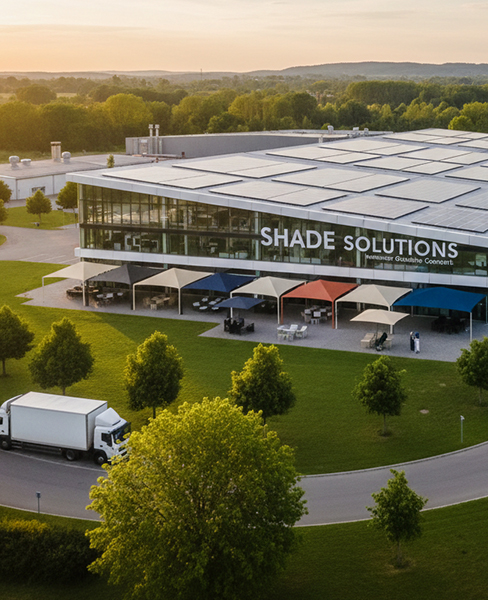
    Anhui Heshun Import and Export Co., Ltd. supplies durable, dependable netting products to customers and business partners around the world. From agricultural protection to construction safety, we help you find the right solution for your project. Products for a Wide Range of Needs Our product range includes: Shade nets and shade sails Ground cover and weed-control fabric Bird nets and insect nets Construction safety nets Fencing nets We work with customers to provide products suited to their applications, specifications, and market requirements. Quality You Can Rely On We focus on consistent quality, practical performance, and dependable service. Our products are designed to provide effective protection and reliable use in agricultural, gardening, landscaping, and construction settings. From product selection to order coordination, our team aims to make every step clear and straightforward. We value long-term partnerships and work hard to deliver products our customers can confidently recommend. Warranty Support and Free Replacement We stand behind the quality of our products. If a product is confirmed to have a manufacturing defect during its warranty period, we will provide a free replacement in accordance with the applicable warranty terms. A Trusted Supplier for Global Partners Choose Anhui Heshun Import and Export Co., Ltd. for a responsive team, a broad range of netting solutions, and a commitment to dependable quality. We look forward to supporting your business with products tailored to your needs. Contact us to discuss your requirements and request a quote. Website note: Before publishing, confirm that “ground cover” is the intended product name and add the applicable warranty period and terms.  
    Read More
  • AH-HRS HDPE Shade Sail
    AH-HRS HDPE Shade Sail
    Nov 12, 2026
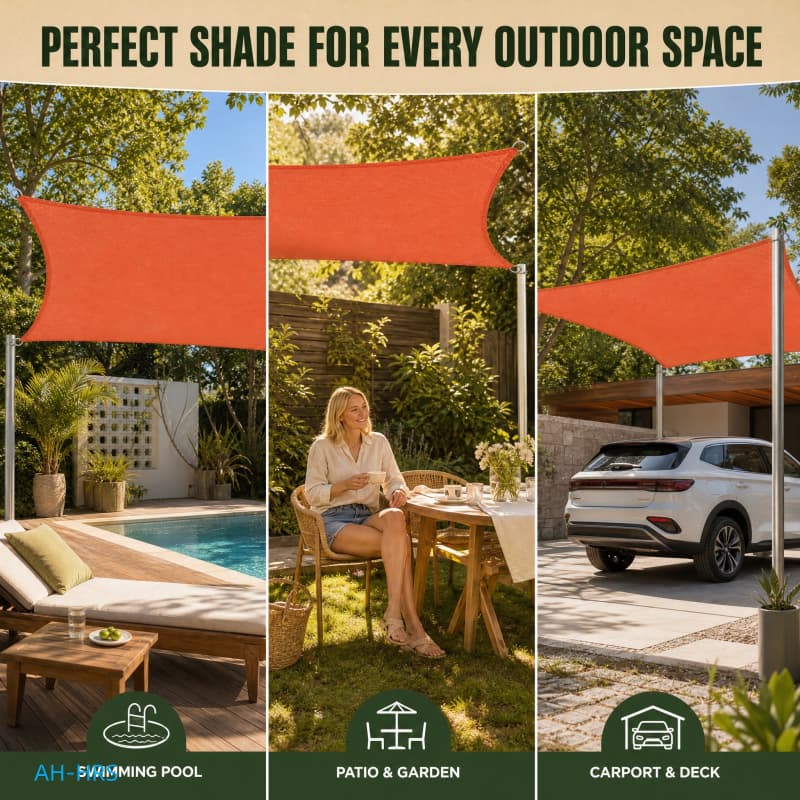
    AH-HRS HDPE Shade Sail Create a cooler, more comfortable outdoor space with an AH-HRS shade sail from Anhui Heshun Import and Export Co., Ltd. Made from HDPE with UV protection, our shade sails provide breathable shade for patios, gardens, backyards, pools, playgrounds, and other outdoor areas. They help reduce direct sunlight and UV exposure while allowing air to circulate, making outdoor spaces more comfortable on sunny days. Key Features HDPE material with UV protection Designed for up to 10 years of use with proper installation and care Breathable fabric that allows airflow Multiple sizes available, with custom sizing options Convenient packaging: each sail packed in a carry bag, with cartons for shipping Why Choose the AH-HRS Brand? Anhui Heshun Import and Export Co., Ltd. offers factory-direct supply, competitive pricing, customizable options, and quality-focused production. Our team works with customers to meet their product and packaging requirements and provides responsive service for international orders. Choose AH-HRS for practical shade, flexible customization, and dependable service. Contact us to discuss sizes, colors, packaging, and your order requirements. Note: Actual service life depends on installation, weather, and care.
    Read More
1 2 3 4 5 6 7 8 9 10 13 14
A total of14pages

leave a message

leave a message
If you are interested in our products and want to know more details,please leave a message here,we will reply you as soon as we can.
submit

Home

Products

whatsApp

contact