Enter product details (such as color, size, materials etc.) and other specific requirements to receive an accurate quote.

leave a message

If you are interested in our products and want to know more details,please leave a message here,we will reply you as soon as we can.
Submit
other

Blogs

Home

Blogs

  • Privacy screen netting mesh tarps
    Privacy screen netting mesh tarps
    Feb 05, 2026
    Actual dimension: 50 ft. L x 5 ft. 8 in. tall, fits perfectly for 6 ft. tall fence Visibility blockage for each color: green 90% 140 GSM/black 90% 140 GSM/beige 93% 145 GSM/blue 93% 145 GSM 100% high quality pure virgin polyethylene material for maximum UV stabilization Thick aluminum anti-rust grommets placed evenly apart 12 in. vertically and 24 in. horizontally on all 4 sides Double grommets placement on every corner edge for extra-strength Fabricated with 2.5 in. black binding with double reinforced fabric on all edges for maximum life span Mesh material allowing 17% air flow for wind circulation diminishing wind force on your fence                   
    Read More
  • agriculture sun shade net factory in china
    agriculture sun shade net factory in china
    Feb 05, 2026
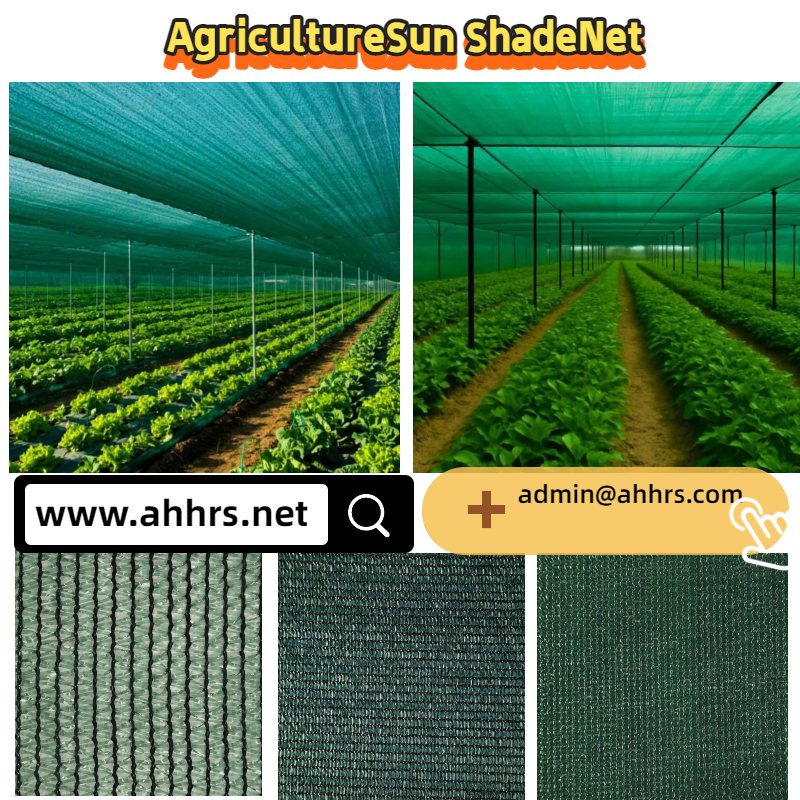
    How to cover the agriculture sun shade cloth net  How to over right1. When covering the sunshade net, the management of the sunshade net should be strengthened according to the weather changes and the different periods of celery growth. The net should be covered all day before the celery emerges. After the emergence, the net should be opened at both ends in the morning and evening to see the light, and it should be covered at noon when the sun is strong. In cloudy days, you can leave it open all day, but you must cover the net in time before the rainstorm. 2. The width of the sunshade net can be cut and spliced arbitrarily. The method of cutting is to use the electric heating wire to cut off with high heat, because the sunshade net can be fused into a road after being cut off by high heat, and will not be loose. The method of splicing is to use nylon thread to sew on the sewing machine or by hand. Do not use iron wire or aluminum wire to bind and ligate, so as to avoid mechanical breakage and affect the service life of the sunshade net. 3. Floating surface covering Cover the sunshade net directly on the ground or on the plant, generally at the time of sowing and after planting. 4. Covering the small arch shed The shade net is covered on the arched bracket of the film small arch shed, which is suitable for shading, cooling, ventilation in summer and autumn, or frost protection at night in early spring, and can also be used for rain protection in rainy season or heat preservation at night in winter and spring. 5. The flat shed is covered on the finished shed surface to form a plane or inclined bracket with a height of 0.5 to 1.8 meters, and the sunshade net is covered on the bracket for shading and rain protection. 6. Greenhouse coverage Greenhouse coverage is divided into single-net coverage, mesh-membrane combined coverage, surrounding coverage outside the shed, and coverage inside the shed. When the single net and the omentum are combined to cover, the two sides of the greenhouse are generally suspended about 1 meter above the ground and not covered. The shed is covered all around, and is mostly used for heat preservation at night in early spring. Cover in the greenhouse, generally 1 to 1.5 meters above the ground. 7. Covering at each growth stage 1. The main purpose of covering after sowing is to maintain soil moisture and prevent soil compaction after heavy rain. Prevent pests and birds from harming. The method is generally to cover directly on the ground, but the net should be opened in time after emergence, so as not to hinder the growth of seedlings. 2. Short-term coverage after planting, one is to cover the cabbage, cauliflower, Chinese cabbage, celery, lettuce, etc. after planting in summer and autumn, and cover it until it survives. Solanaceous fruits, melons and beans planted in early spring are covered at night to prevent frost.
    Read More
  • Black color weed mat woven greenhouse ground cover
    Black color weed mat woven greenhouse ground cover
    Feb 05, 2026
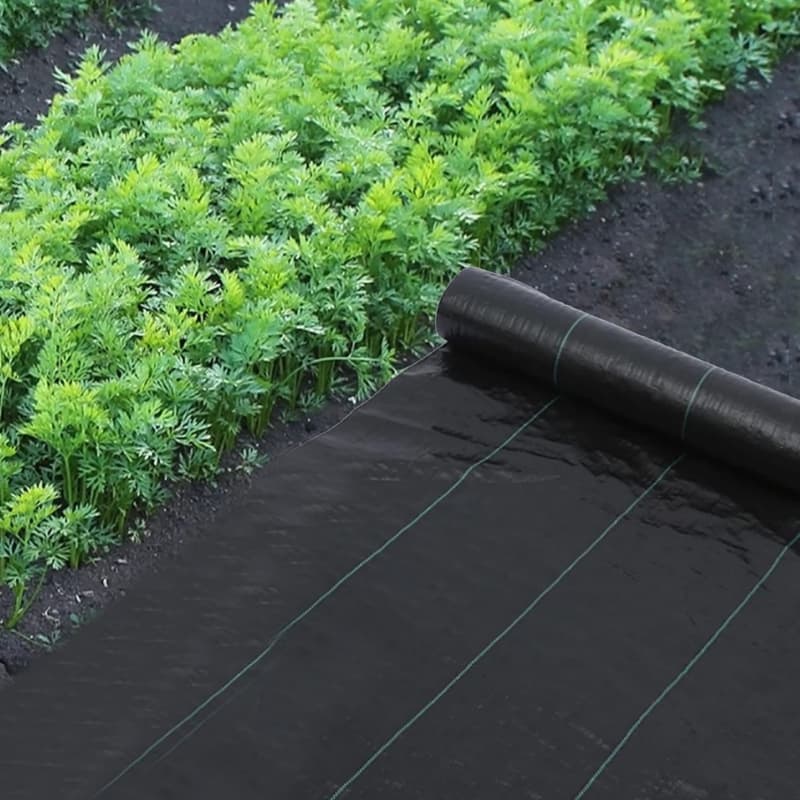
    Virgin PP ground cover anti weed mat  is made of  PP with UV treated minimizes degradation. Black Garden Fabric blocks sunlight to prevent photosynthesis and suppress weed growth. Odor free, environmentally safe alternative to decide use. Weed fabric is essential to keep natural grass and weeds from growing through your turf flooring. This is one of the first materials you will want to install before your turf is laid. Product anti weed mat Weight 90g/m2-200g/m2 Width 0.4m-8m. Lengths 50m,100m,200m or as your request. Color Black,Green,White or As your request Material 100% Polypropylene Delivery time 25 days after order UV As your request Payment Terms T/T,L/C Packing Roll with paper core inside and poly bag outside
    Read More
  • Privacy screen fence net
    Privacy screen fence net
    Feb 05, 2026
    Privacy screen netting is a type of mesh material that is used to create a barrier for privacy and security. It is often used in residential and commercial settings to block the view from outside, while still allowing air and light to pass through. Privacy screen netting is typically made from high-density polyethylene (HDPE), a durable and lightweight material that is resistant to fading and tearing. It comes in a variety of sizes and colors to match the specific needs of each application. Some privacy screen netting is also available with UV inhibitors to protect against sun damage. Privacy screen netting is often used in outdoor settings, such as on patios, decks, and balconies, to create a more secluded and comfortable space. It can also be used in commercial settings, such as on construction sites or in public areas, to provide additional privacy and security. Privacy screen netting is easy to install and can be attached to fences, railings, or other structures using cable ties, clamps, or other fastening methods. It is designed to be durable and long-lasting, making it a cost-effective solution for both temporary and permanent applications. Overall, privacy screen netting is a versatile and practical solution for creating a more private and secure environment. It offers a range of benefits, including increased privacy, improved comfort, and enhanced security, making it a popular choice for both residential and commercial applications.  
    Read More
  • construction safety net construction debris netting
    construction safety net construction debris netting
    Feb 05, 2026
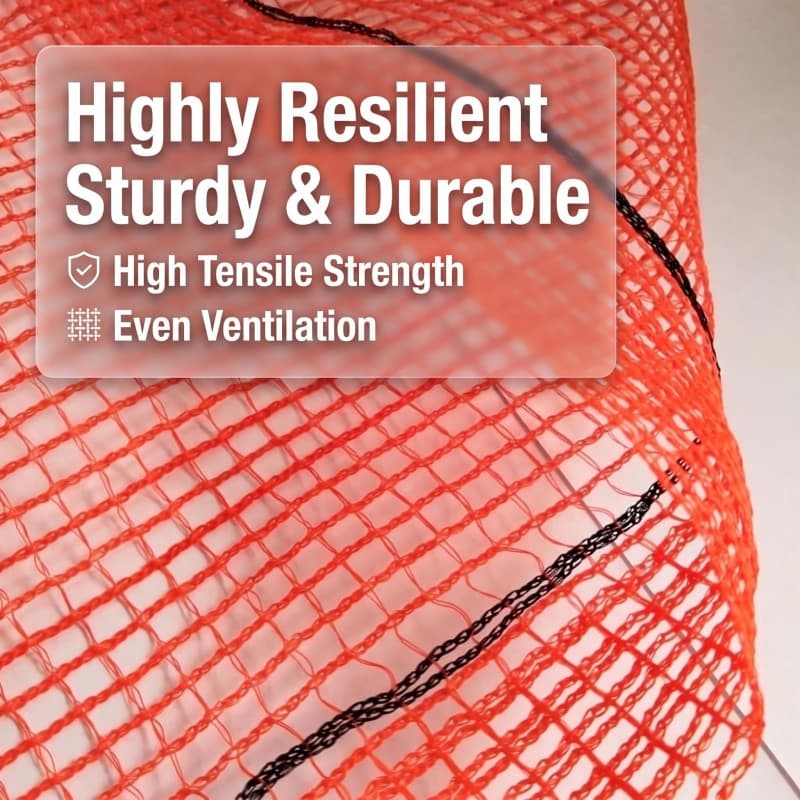
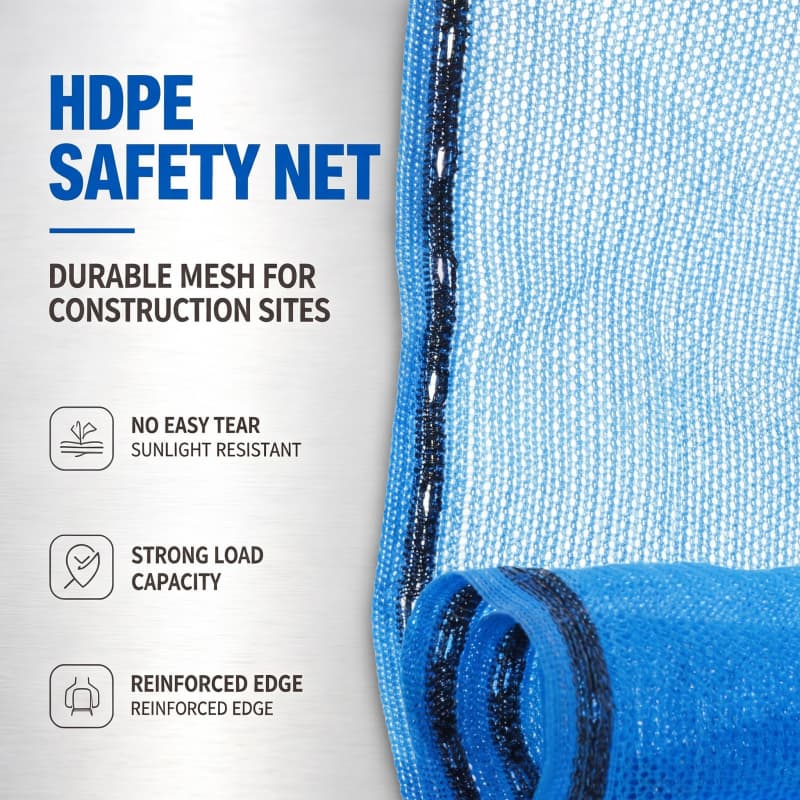
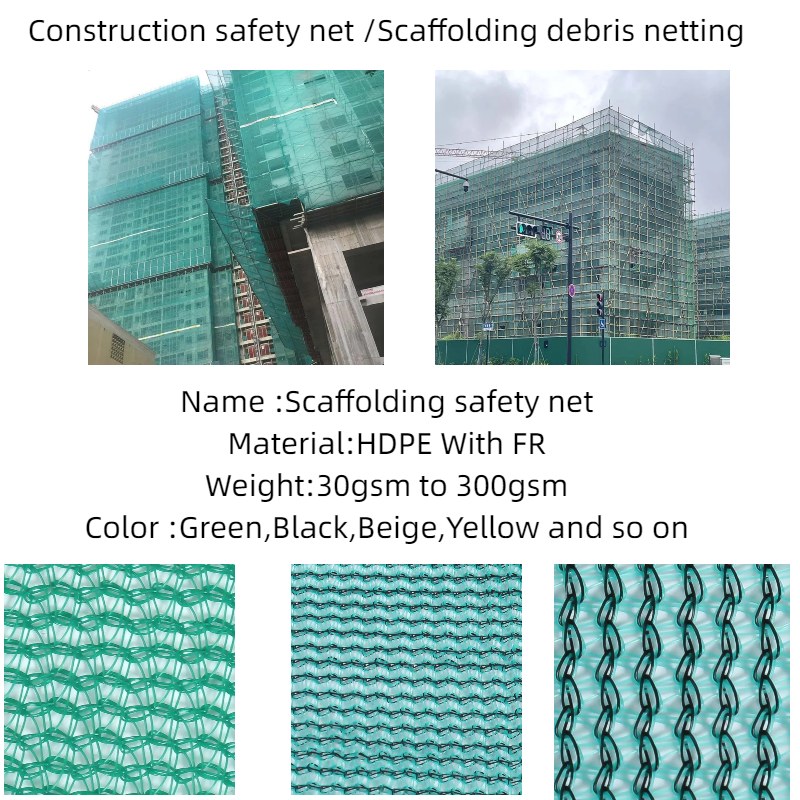
    The debris netting is also called the building safety net,construction safety net,scaffolding safety net.it is use in the construction site,and protection the worker and construction site safety and clear,so if you have any interest in this pls let me know this  Material :HDPE  Size:4ft*150ft.5'8"*150ft 8'6"*150ft.or as you demand  Color:orange .blue, black,and as you demand  weight :100gsm,110gsm,120gsm,and as you demand  package: one roll with pe bag package and then in the lable 
    Read More
  • The best choice for you construction site privacy screen net.
    The best choice for you construction site privacy screen net.
    Feb 05, 2026
    what is the privacy screen net ? •Material  :High density knitted polyethylene mesh netting.(HDPE)• 85% TO 90% mesh shade cloth Or sunshade screen net • privacy screen net  edges include webbing & grommets  60cm one eyelet • Commonly known as shade cloth, fencescreen, or windscreen • UV treated & protected• Will not unravel when cut• Mesh design allows slight air to pass through.and keep the debris outside or inside• Remains flexible in cold weather climates  
    Read More
  • 220gsm grey color 1.83m*5m shade cloth for new package
    220gsm grey color 1.83m*5m shade cloth for new package
    Feb 05, 2026
    Hi,everyone,now we do the new products for shade cloth grey color beige color make the uv treated and heated treated. as the size is 1.83m*5M  weight is 185gsm and 220gsm ,and also have the dark green ,sand for 140gsm and 140gsm  so we make the small rolls for in the carton  6pcs in one carton  as this product is very use in spain,itly and france and gremany  so if you have any interest in this pls let me know this  Protudcts details: Material :HDPE  Size:1.83*5M.3.66M*10M and so on  package : half rolls folded and then with shrap package in the carton  warranty :180gsm 219gsm , 8years  140gsm , one years 
    Read More
  • Introduction of Ground Cover
    Introduction of Ground Cover
    Feb 05, 2026
    Ground Cover/ Weed Mat/Greenhouse Planting Weeding Control Mat PP ground cover, also known as polypropylene ground cover, is a versatile and durable material widely used in landscaping, agriculture, and construction. Made from polypropylene, a type of thermoplastic polymer, this ground cover is designed to provide effective weed control, soil stabilization, and moisture retention.   Key Features: Weed Control: PP ground cover acts as a barrier, preventing weeds from growing by blocking sunlight. This reduces the need for chemical herbicides and manual weeding. Moisture Retention: The material helps retain soil moisture by reducing evaporation, which is particularly beneficial in dry climates or during drought conditions. Soil Erosion Prevention: By stabilizing the soil, PP ground cover minimizes erosion caused by wind and water, protecting the landscape and maintaining soil health. Durability: Polypropylene is resistant to UV rays, chemicals, and wear, making the ground cover long-lasting and suitable for various environmental conditions. Permeability: Many PP ground covers are designed to be permeable, allowing water and nutrients to pass through while still providing the benefits of weed control and moisture retention.   Applications: Landscaping: Used in gardens, flower beds, and around trees to maintain a clean and weed-free appearance. Agriculture: Employed in crop fields to enhance growth conditions and reduce maintenance efforts.   Installation: Preparation: Clear the area of existing weeds and debris. Laying the Cover: Unroll the PP ground cover over the prepared area, ensuring it lies flat and covers the entire surface. Securing: Use landscape staples or pins to secure the edges and prevent movement. Mulching (Optional): For added aesthetic and functional benefits, mulch can be spread over the ground cover.   Conclusion: PP ground cover is an efficient and eco-friendly solution for managing weeds, conserving moisture, and protecting soil. Its durability and versatility make it a valuable tool for both professional landscapers and home gardeners alike.      
    Read More
  • Choosing the Right Shade Net for Different Crops: A Guide to Shading Percentages.
    Choosing the Right Shade Net for Different Crops: A Guide to Shading Percentages.
    Feb 05, 2026
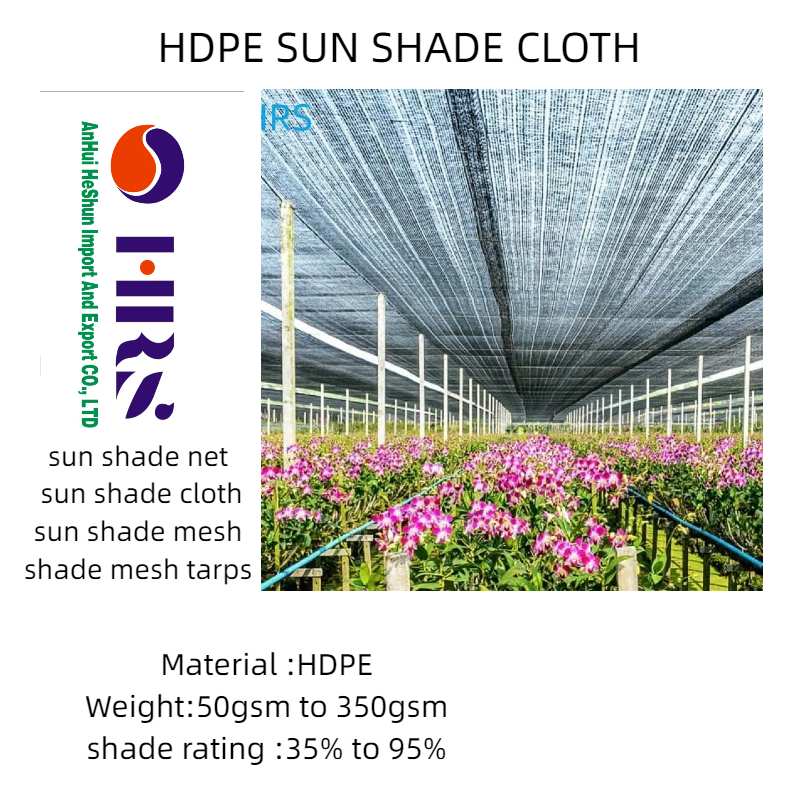
    Choosing the Right Shade Net for Different Crops: A Guide to Shading Percentages Shade nets are essential tools in agriculture, helping farmers create optimal growing conditions for various crops by controlling sunlight exposure. The shading percentage of a net determines how much sunlight is blocked, and different crops thrive under different levels of shade. Here’s a guide to help you choose the right shade net for your crops: 1. 30%-50% Shade Nets (Light Shading) These nets allow 70%-50% of sunlight to pass through, making them ideal for crops that require partial shade or are sensitive to intense sunlight. Suitable Crops: Leafy Greens: Lettuce, spinach, kale, and arugula. Herbs: Basil, cilantro, parsley, and mint. Fruiting Vegetables: Tomatoes, peppers, and eggplants (in hot climates). Flowers: Orchids, roses, and other light-sensitive ornamental plants. Benefits: Prevents sunburn and heat stress. Promotes healthy growth in warm climates. 2. 60%-70% Shade Nets (Moderate Shading) These nets block 40%-30% of sunlight, providing balanced shading for crops that need protection from direct sun while still requiring ample light for photosynthesis. Suitable Crops: Vegetables: Cucumbers, beans, and zucchini. Berries: Strawberries, raspberries, and blueberries. Nursery Plants: Seedlings and young plants that need protection during early growth stages. Medicinal Plants: Aloe vera, ginseng, and other herbs that thrive in filtered light. Benefits: Reduces water evaporation and conserves soil moisture. Protects against pests and harsh weather conditions. 3. 80%-90% Shade Nets (Heavy Shading) These nets block 80%-90% of sunlight, creating a highly shaded environment suitable for crops that thrive in low-light conditions. Suitable Crops: Mushrooms: Oyster mushrooms, shiitake, and button mushrooms. Ornamental Plants: Ferns, hostas, and other shade-loving plants. Livestock Areas: Providing shade for poultry, cattle, or other animals. Aquaculture: Covering fish ponds to reduce algae growth and maintain water temperature. Benefits: Creates a cool and stable environment. Ideal for crops that require minimal sunlight. Factors to Consider When Choosing a Shade Net Climate: In hot and sunny regions, higher shading percentages may be necessary to protect crops from heat stress. Crop Type: Understand the sunlight requirements of your crops to select the appropriate shading level. Season: Adjust the shading percentage based on seasonal changes in sunlight intensity. Ventilation: Ensure proper airflow to prevent humidity buildup, which can lead to fungal diseases. Conclusion Selecting the right shade net with the appropriate shading percentage is crucial for maximizing crop yield and quality. By matching the shading level to the specific needs of your crops, you can create an ideal growing environment that promotes healthy growth and protects against environmental stressors. Whether you’re growing leafy greens, fruiting vegetables, or shade-loving plants, there’s a shade net that’s perfect for your agricultural needs. Happy farming!
    Read More
  • Why shade sails are becoming more and more attractive?
    Why shade sails are becoming more and more attractive?
    Feb 05, 2026
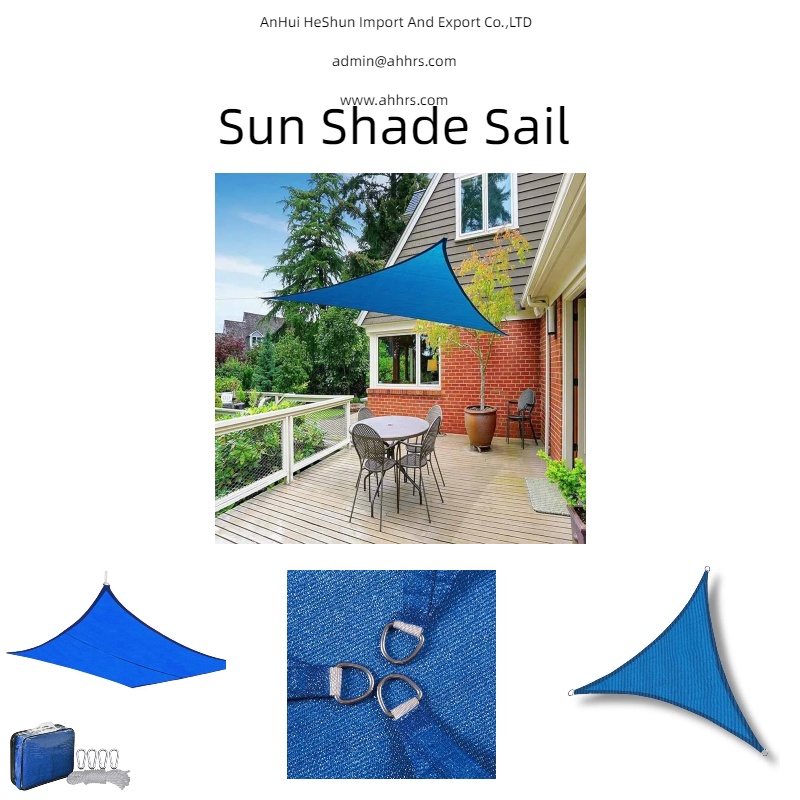
    More and more people are choosing to buy shade sails for several practical and appealing reasons: Sun Protection: Shade sails provide excellent protection from harmful UV rays, making outdoor spaces safer and more comfortable for families, pets, and guests. Versatility: They can be used in various settings, such as backyards, patios, pools, playgrounds, and even commercial spaces like cafes or parking areas. Aesthetic Appeal: Shade sails come in different shapes, sizes, and colors, allowing people to enhance the look of their outdoor spaces while adding a modern, stylish touch. Cost-Effective: Compared to permanent structures like pergolas or awnings, shade sails are a more affordable way to create shaded areas. Easy Installation: They are lightweight and simple to install, often requiring just a few anchor points like poles or existing structures. Durability: Made from high-quality, weather-resistant materials, shade sails are built to last and can withstand sun, rain, and wind. Portability: Unlike fixed structures, shade sails can be easily adjusted, removed, or relocated, offering flexibility for changing needs. Energy Efficiency: By providing shade, they help reduce indoor temperatures, potentially lowering cooling costs during hot weather. In short, shade sails are a practical, stylish, and economical solution for creating comfortable outdoor spaces, which is why their popularity continues to grow.
    Read More
  • Why choose HDPE as raw material?
    Why choose HDPE as raw material?
    Feb 05, 2026
    HDPE for Shade Net Manufacturing – A Sustainable and High-Performance Material As a shade net producer, selecting the right raw material is critical for product quality, durability, and environmental responsibility. High-Density Polyethylene (HDPE) is the preferred choice for high-performance shade nets due to its strength, UV resistance, and eco-friendly advantages. Here’s why HDPE is ideal for shade net production: 1. Superior Material Properties for Shade Nets High Tensile Strength: HDPE fibers provide excellent tear and wind resistance, ensuring long-lasting shade nets for agriculture, construction, and outdoor use. UV Stabilization: HDPE can be treated with UV inhibitors, preventing degradation from prolonged sun exposure (critical for 3–5+ year lifespan). Lightweight & Flexible: Easy to install and transport, reducing logistical costs compared to heavier alternatives. 2. Environmental Benefits – A Responsible Choice ✅ Recyclable Material: HDPE shade nets can be recycled , reducing plastic waste. Post-consumer recycled HDPE can be used in new nets. ✅ Reduced Carbon Footprint: HDPE production consumes less energy than PVC or other plastics, lowering CO₂ emissions. ✅ Non-Toxic & Safe: Unlike PVC, HDPE does not release harmful chlorine or dioxins when exposed to heat or incineration. ✅ Long Service Life: Durable HDPE shade nets reduce replacement frequency, minimizing waste generation. 3. Cost-Effectiveness & Market Demand Lower Production Costs: HDPE’s efficient extrusion process makes it more affordable than alternatives like polyester-coated PVC. Growing Demand for Sustainable Solutions: Eco-conscious buyers (e.g., organic farms, green building projects) prefer HDPE over non-recyclable materials. Customizable Additives: HDPE can be blended with fire retardants, anti-dust coatings, or cooling pigments for specialized applications. 4. Applications of HDPE Shade Nets ✔ Agriculture: Protects crops from excessive sun while allowing airflow (30%–90% shading options). ✔ Construction: Used as safety netting, debris barriers, and temporary roofing. ✔ Livestock & Aquaculture: Provides shade for animals and fish farms. ✔ Residential & Commercial: Balcony shading, parking covers, and garden nets. 5. Future Trends & Sustainability Commitments Bio-Based HDPE: Some manufacturers (e.g., Braskem) now offer sugarcane-derived HDPE, further reducing environmental impact. Enhanced Recycling Programs: Partnerships with waste collectors ensure end-of-life shade nets are repurposed into new products. Circular Economy Focus: Brands promoting take-back schemes for old nets to boost recycling rates. Why Choose HDPE for Your Shade Nets? As a shade net manufacturer, HDPE delivers the perfect balance of performance, sustainability, and cost-efficiency.  
    Read More
  • Trend of sun shade net.
    Trend of sun shade net.
    Feb 05, 2026
    The Future of Shade Nets: Key Trends Shaping the Industry   As a leading HDPE shade net supplier, we firmly believe that high-density polyethylene (HDPE) shade nets are set to dominate the market as the preferred choice for sun protection solutions. Here’s why: ✅ 1. Superior Durability & Weather Resistance HDPE shade nets are UV-stabilized, ensuring long-term performance under intense sunlight. Unlike traditional materials, they resist fraying, corrosion, and extreme weather conditions, making them ideal for: Agriculture (crop protection, greenhouses) Construction (temporary roofing, safety nets) Residential & Commercial (patios, car parks, stadiums) ✅ 2. Lightweight Yet Strong HDPE fabric is lightweight for easy installation while maintaining high tensile strength, reducing labor costs and improving efficiency. ✅ 3. Customizable & Eco-Friendly Available in different shading percentages (30% to 90%), colors, and sizes, HDPE shade nets cater to diverse needs. Plus, they are 100% recyclable, aligning with global sustainability trends. ✅ 4. Cost-Effective Solution Compared to metal or fiberglass alternatives, HDPE shade nets offer better affordability without compromising quality, ensuring a high ROI for buyers.    Future Market Potential With rising demand for energy-efficient, durable, and eco-friendly shading solutions, HDPE shade nets are gaining traction worldwide—especially in hot climates and urban development projects. As a trusted HDPE shade net manufacturer, we provide premium-grade, customizable solutions to meet growing market needs. Join the trend—switch to HDPE shade nets today!    
    Read More
1 2 3 4 5 6 7 8
A total of8pages

leave a message

leave a message
If you are interested in our products and want to know more details,please leave a message here,we will reply you as soon as we can.
submit

Home

Products

whatsApp

contact